

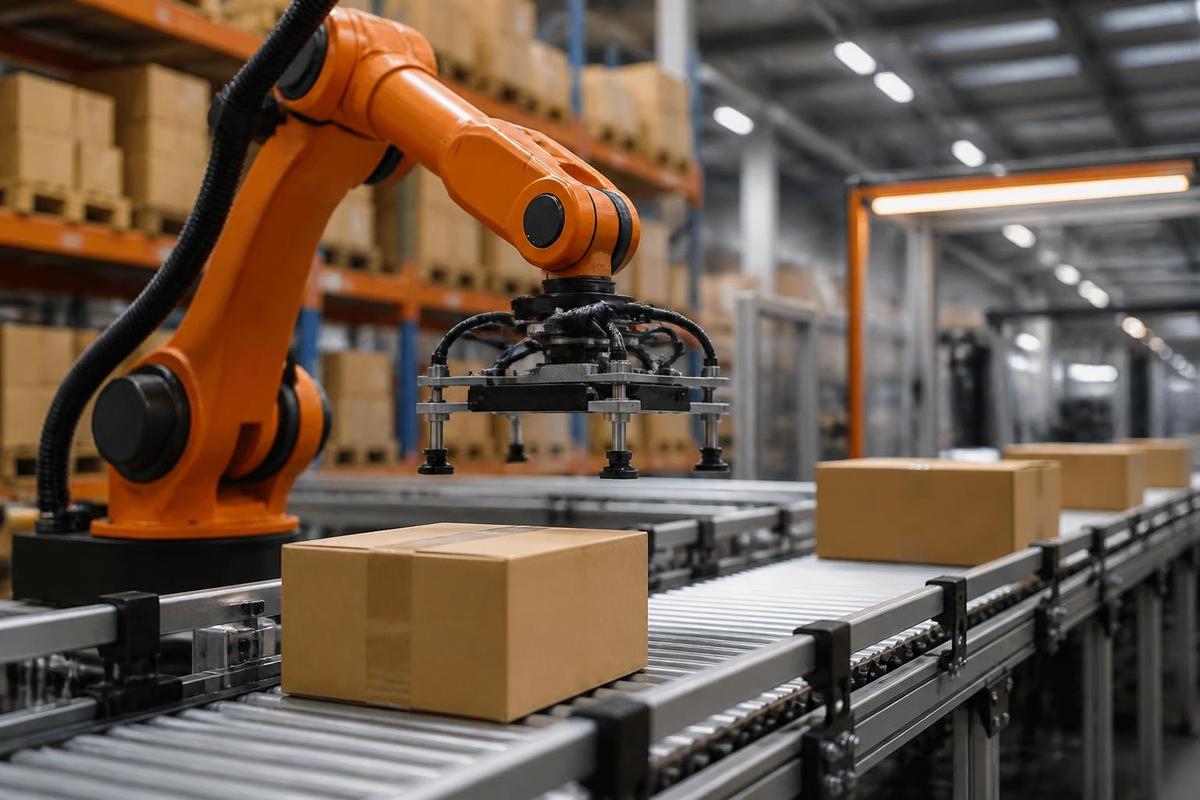
Automated Packaging: Modern Solutions for Warehouses
Share on
The warehouse and logistics sectors are experiencing unprecedented transformation as businesses seek competitive advantages through technology. Automated packaging has emerged as a critical component of modern warehouse operations, delivering measurable improvements in throughput, accuracy, and cost efficiency. As consumer expectations for faster delivery times intensify and labour markets tighten across Australia and New Zealand, organisations are investing in intelligent packaging systems that integrate seamlessly with broader warehouse automation strategies. This comprehensive exploration examines how automated packaging reshapes fulfillment operations and positions businesses for sustainable growth.
The Evolution of Automated Packaging Systems
Automated packaging technology has progressed significantly beyond basic mechanisation. Today's systems incorporate artificial intelligence, machine learning, and advanced robotics to execute complex packaging tasks with minimal human intervention. These solutions range from simple box erectors and tape sealers to sophisticated end-to-end packaging lines that handle product selection, protective material application, box sizing, sealing, labeling, and sortation.
The automated packaging solutions market continues expanding rapidly, driven by e-commerce growth and supply chain efficiency demands. Modern systems adapt to variable product dimensions, select appropriately sized cartons, and optimise material usage to reduce waste and shipping costs.
Key Technologies Driving Innovation
Several technological advancements have accelerated automated packaging adoption:
- Robotic pick-and-place systems that handle products of varying shapes and fragilities
- Computer vision technologies that identify products and determine optimal packaging configurations
- Dynamic carton-sizing algorithms that minimise void fill and material waste
- Integrated labeling systems that apply shipping documentation without manual handling
- Data analytics platforms that monitor performance and predict maintenance requirements
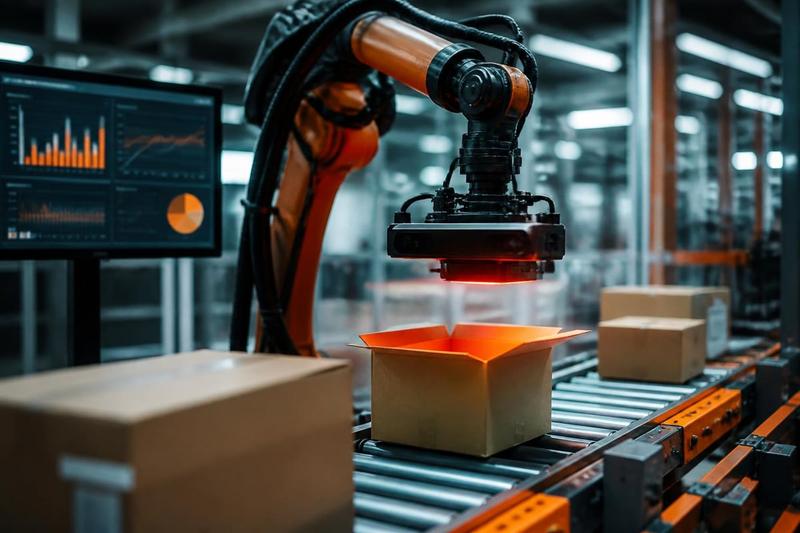
These technologies work synergistically to create packaging operations that respond intelligently to changing order profiles and throughput demands. The integration with warehouse management systems ensures packaging activities align with broader inventory and fulfillment strategies.
Operational Benefits Across Distribution Environments
Implementing automated packaging delivers quantifiable advantages that extend beyond labour cost reduction. Organisations report improvements across multiple operational dimensions that collectively transform warehouse performance.
Productivity and Throughput Enhancement
Automated packaging systems operate continuously at consistent speeds, eliminating variability associated with manual processes. A well-designed system can process hundreds of packages hourly, dramatically increasing fulfillment capacity without proportional increases in workforce requirements.
Modern systems incorporate intelligent queuing mechanisms that balance workload across multiple packaging stations, preventing bottlenecks that constrain overall facility throughput. This capability proves particularly valuable during peak periods when order volumes surge beyond baseline levels.

Quality Consistency and Error Reduction
Automated packaging maintains uniform packaging standards across every shipment. Products receive appropriate protection, cartons are sealed consistently, and labels are applied accurately. This consistency reduces customer complaints related to damaged goods and incorrect shipments.
The precision of automated systems minimises material waste through accurate carton selection and controlled application of protective materials. This accuracy translates to direct cost savings while supporting corporate sustainability objectives.
Integration with Warehouse Automation Ecosystems
Automated packaging achieves maximum value when integrated within comprehensive warehouse automation frameworks. The most effective implementations connect packaging systems with upstream picking technologies and downstream sortation equipment.
Coordination with Picking Technologies
Automated guided vehicles and forklifts transport products from storage locations to packaging stations without manual intervention. This coordination eliminates handling steps and accelerates overall order cycle times. Similarly, warehouse AMR systems can deliver picked items directly to packaging workstations, creating seamless material flow.
Goods-to-person systems present items to packaging stations in optimal sequences, enabling batch processing of similar products and reducing changeover time. For businesses beginning their automation journey, solutions like the Automate-X Goods-to-person Starter Grid provide an accessible entry point that demonstrates immediate value while establishing foundations for future expansion.
The synergy between picking and packaging automation creates compounding efficiency gains that exceed what either technology delivers independently. Advanced ASRS systems can supply packaging lines at precisely controlled rates, maintaining optimal station utilization without overwhelming capacity.
Data Integration and Performance Monitoring
Modern automated packaging systems generate extensive operational data that informs continuous improvement initiatives. Real-time monitoring tracks throughput rates, material consumption, error frequencies, and system availability. This visibility enables proactive maintenance scheduling and rapid response to performance deviations.
Integration with warehouse management platforms ensures packaging activities reflect current order priorities. Rush orders receive expedited processing, and multi-item orders are consolidated appropriately before packaging commences. This intelligent orchestration prevents inefficiencies that undermine customer service levels.
Industry-Specific Applications and Considerations
Different sectors face unique packaging requirements that influence system design and configuration. Understanding these nuances ensures automated packaging investments align with operational realities.
E-commerce and Retail Fulfillment
E-commerce operations handle highly variable order profiles, from single-item shipments to multi-product combinations. Automated packaging systems for these environments must accommodate diverse product dimensions and rapidly switch between packaging configurations. Recent trends in automated e-commerce packaging highlight the increasing adoption of AI-driven systems that optimise packaging decisions in real-time based on product characteristics and shipping requirements.
Dimensional weight pricing from carriers incentivises tight packaging that minimises void space. Automated systems excel at selecting right-sized cartons and applying minimal protective fill, directly reducing shipping costs.
Pharmaceutical and Cold-Storage Operations
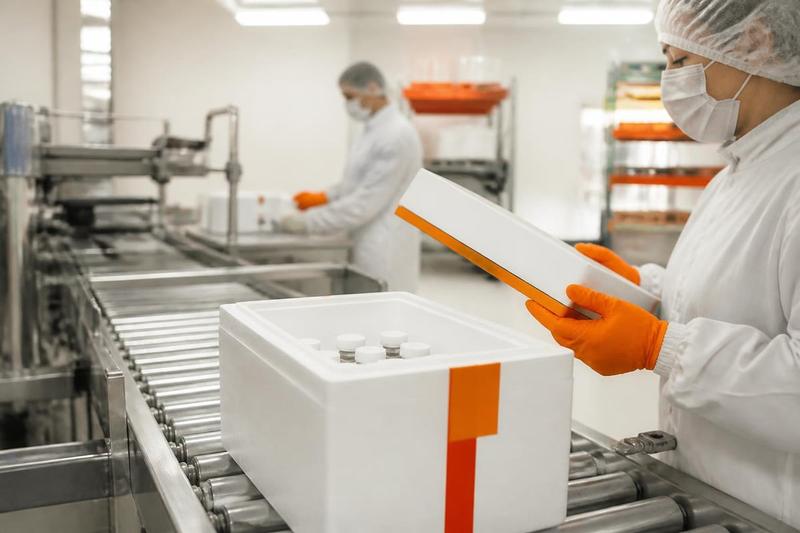
Temperature-sensitive products require packaging that maintains controlled environments during transit. Automated systems designed for pharmaceutical and cold-storage applications incorporate specialised insulation materials and integrate temperature monitoring devices into packages.
Regulatory compliance requirements necessitate precise documentation and traceability. Automated packaging systems capture batch numbers, expiry dates, and handling conditions, generating complete audit trails that satisfy regulatory bodies and quality assurance protocols.
Food and Beverage Distribution
Food products often present challenging geometries and fragility concerns. Automated packaging for this sector handles irregularly shaped items, provides appropriate cushioning, and applies food-safe materials. Systems accommodate both individual consumer units and bulk institutional packaging formats.
Freshness preservation drives packaging decisions, with systems incorporating modified atmosphere packaging capabilities and hermetic sealing technologies. Integration with inventory management ensures first-expired-first-out rotation principles guide order fulfillment.
Implementation Strategies and Best Practices
Successful automated packaging implementation requires systematic planning that addresses technical, operational, and organisational dimensions. Organisations that follow structured approaches achieve faster returns on investment and smoother transitions.
Assessment and System Specification
Implementation begins with comprehensive assessment of current packaging operations, including:
- Volume analysis: Daily, weekly, and seasonal order quantities
- Product profiling: Dimensional ranges, weights, and fragility characteristics
- Packaging materials inventory: Current carton sizes and protective materials
- Throughput requirements: Peak capacity needs and growth projections
- Integration points: Existing automation equipment and software systems
This foundation informs system specification, ensuring selected technologies match operational requirements. Oversized systems waste capital and operating costs, while undersized implementations create bottlenecks that constrain facility performance.
Phased Deployment Approaches
Many organisations adopt phased implementation strategies that minimise disruption and prove value incrementally. Initial deployments might automate high-volume standard products while retaining manual processes for exception handling. As operators gain familiarity and confidence, automation scope expands to encompass broader product ranges.
Phased approaches also spread capital expenditure across multiple budget cycles, making automation more financially accessible. Each phase delivers measurable benefits that justify subsequent investments.
Change Management and Workforce Development
Introducing automated packaging transforms job roles and requires workforce adaptation. Effective implementations include comprehensive training programmes that develop operator competencies in system monitoring, basic troubleshooting, and performance optimisation.
Communication strategies that explain automation rationale and highlight how technology augments rather than replaces human capabilities reduce resistance and accelerate adoption. Involving warehouse staff in system design and testing fosters ownership and surfaces practical insights that improve final configurations.
Technology Trends Shaping Future Developments
Automated packaging continues evolving as emerging technologies create new capabilities and expand application possibilities. Forward-looking organisations monitor these trends to time future investments strategically.
Artificial Intelligence and Machine Learning
AI algorithms increasingly optimise packaging decisions by analysing historical data patterns and predicting optimal configurations. Future trends in automated packaging equipment emphasise how machine learning models refine packaging strategies over time, continuously improving material efficiency and throughput performance.
Computer vision systems powered by deep learning recognise products without barcode scanning, handling items that lack consistent labeling or orientation. This capability proves valuable for returns processing and reverse logistics operations where product presentation varies significantly.
Sustainable Packaging Integration
Environmental considerations drive development of automated systems that use recyclable materials, minimise plastic consumption, and optimise carton sizes to reduce transportation emissions. Packaging industry trends for 2025 highlight automation's role in implementing sustainable practices at scale.
Modern systems incorporate biodegradable void fill materials, right-sized packaging that eliminates excess, and designs that facilitate end-user recycling. Automation enables consistent application of sustainable practices that might prove difficult to maintain in manual operations.
Collaborative Robotics and Flexible Automation
Collaborative robots work alongside human operators, handling repetitive tasks while humans manage exceptions and complex decisions. This partnership approach provides automation benefits while maintaining operational flexibility that pure automation sometimes sacrifices.
Modular system designs enable rapid reconfiguration to accommodate changing product mixes or seasonal variations. Quick-change tooling and adaptive grippers allow single systems to package diverse product categories without extensive downtime for changeovers.
Cost Considerations and Financial Planning
Understanding total cost of ownership guides informed investment decisions and realistic financial expectations. Automated packaging involves multiple cost categories that extend beyond initial equipment acquisition.
Capital Investment Components
Complete automated packaging systems include:
- Core packaging equipment (carton erectors, sealers, labelers)
- Material handling conveyors and transfer mechanisms
- Control systems and software integration
- Installation, commissioning, and testing services
- Operator training and documentation
System complexity directly influences capital requirements, with basic installations starting at modest levels and sophisticated integrated lines requiring substantial investment. Customisation to accommodate unique product requirements or facility constraints adds incremental costs.
Operating Cost Analysis
Ongoing expenses include consumable materials, energy consumption, preventive maintenance, and spare parts inventory. While automated systems reduce direct labour costs, they introduce technical support requirements and potential downtime costs if reliability proves inadequate.
Careful vendor selection ensures equipment reliability and responsive technical support that minimises unplanned outages. Established providers offer proven technologies with extensive installed bases, reducing implementation risk and ensuring parts availability.
Return on Investment Calculation
ROI calculations should account for both direct cost savings and operational improvements:
- Labour cost reduction: Fewer staff required for equivalent throughput
- Material waste elimination: Optimised carton selection and void fill usage
- Shipping cost savings: Reduced dimensional weight charges
- Damage reduction: Fewer customer returns and replacement shipments
- Throughput capacity increase: Higher revenue potential from existing facilities
Most implementations achieve payback periods between 18 and 36 months, with ongoing annual savings continuing throughout equipment service life. Organisations experiencing rapid growth often realise faster returns as automation enables capacity expansion without proportional facility enlargement.
Selecting Implementation Partners
Partnering with experienced automation providers significantly influences implementation success. Qualified partners bring technical expertise, proven methodologies, and realistic project management that reduces risk and accelerates value realisation.
Evaluation Criteria
Key considerations when selecting automated packaging providers include:
- Industry experience: Track record in similar operational environments
- Technology breadth: Range of solutions addressing diverse requirements
- Integration capabilities: Expertise connecting packaging systems with broader warehouse automation
- Support infrastructure: Local technical resources and rapid response protocols
- Financial stability: Assurance of long-term parts availability and support continuity
Reference checking with existing customers provides insights into actual implementation experiences and long-term satisfaction levels. Site visits to operating installations reveal system performance under real-world conditions and highlight practical considerations that influence daily operations.
Service and Support Models
Comprehensive support programmes ensure sustained performance throughout equipment lifecycles. Preferred providers offer preventive maintenance agreements, remote diagnostics, operator training refreshers, and performance optimisation services.
Availability of local spare parts inventory minimises downtime when component replacement becomes necessary. Clear escalation procedures and guaranteed response times provide confidence that technical issues receive prompt resolution.
Automated packaging represents a strategic investment that transforms warehouse operations through improved productivity, enhanced quality consistency, and operational cost reduction. As technologies continue advancing and implementation methodologies mature, automated packaging becomes increasingly accessible to organisations across the size spectrum. Automate-X combines proven packaging automation technologies with comprehensive warehouse solutions, delivering integrated systems that streamline fulfillment operations and position businesses for scalable growth throughout Australia and New Zealand.