

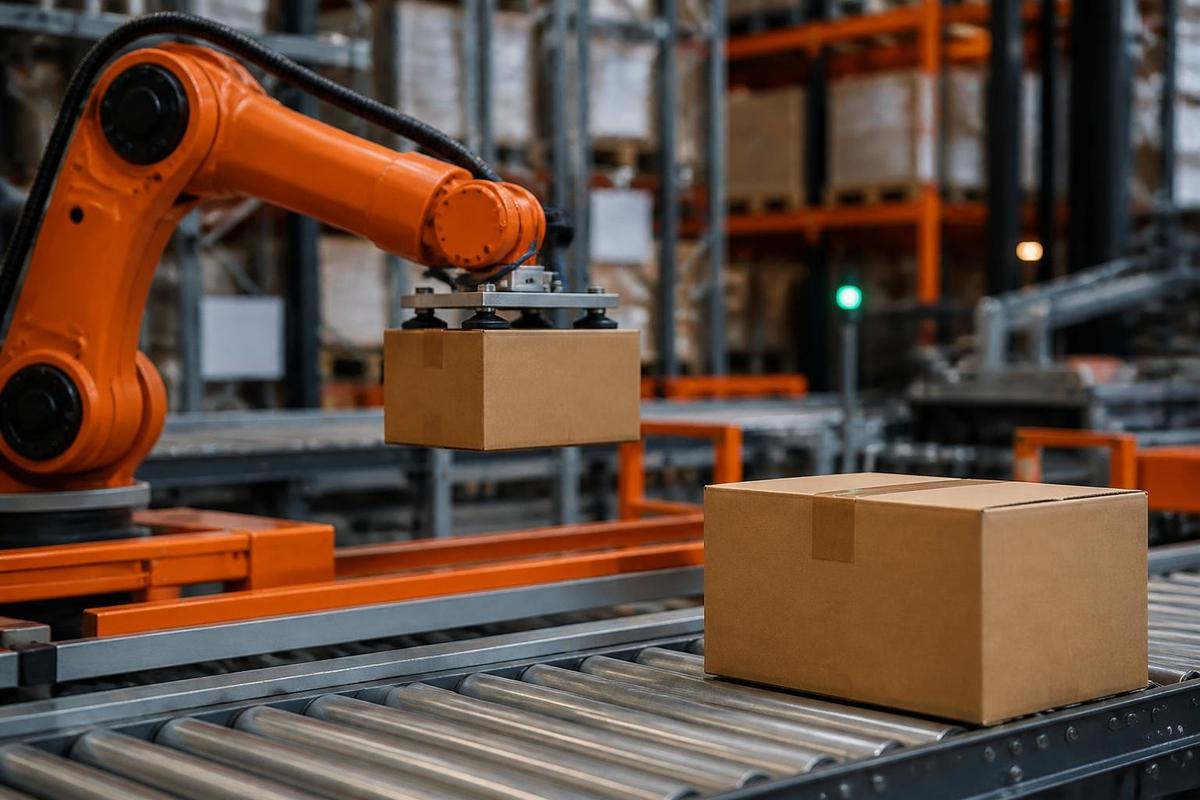
Automation Solutions for Modern Warehouse Operations
Share on
Modern warehouses face unprecedented pressure to deliver faster, operate more efficiently, and scale operations without proportional increases in labour costs. As e-commerce growth accelerates and customer expectations evolve, businesses across logistics, manufacturing, and distribution sectors are turning to automation solutions that fundamentally transform how goods move through their facilities. These intelligent systems combine robotics, sophisticated software platforms, and integrated technologies to create operations that respond dynamically to demand whilst maintaining accuracy and efficiency at scale.
Understanding the Scope of Warehouse Automation Solutions
Automation solutions in warehouse environments encompass far more than simple mechanical assistance. They represent comprehensive systems that integrate multiple technologies to orchestrate complex operations across receiving, storage, picking, packing, and dispatch functions.
Modern automation solutions leverage autonomous mobile robots (AMRs), automated storage and retrieval systems (AS/RS), conveyor networks, and goods-to-person technologies that eliminate unnecessary movement and reduce error rates. These physical automation components work in concert with warehouse management systems (WMS) and warehouse execution systems (WES) that provide the intelligence layer directing every movement and decision.
The foundation of effective automation solutions includes:
- Real-time inventory visibility across all storage locations
- Dynamic task allocation based on priority and resource availability
- Predictive analytics for demand forecasting and labour planning
- Integration capabilities with existing ERP and order management systems
- Scalable architecture that grows with operational requirements
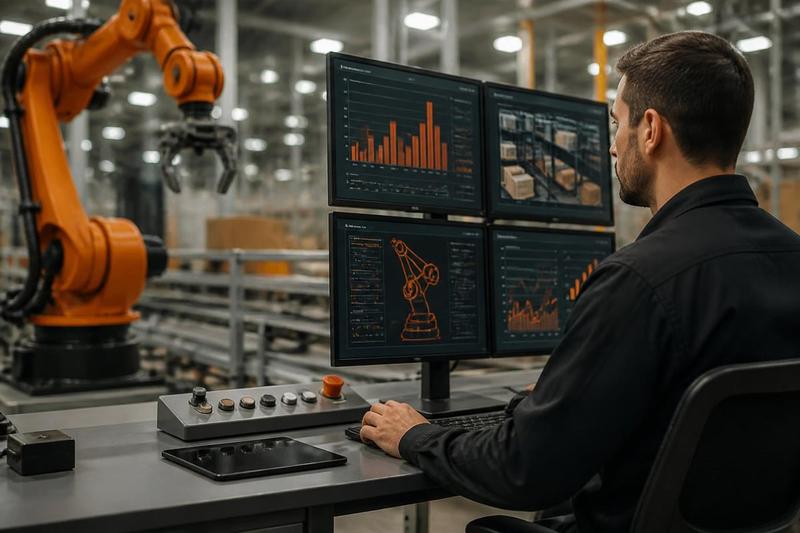
The sophistication of contemporary automation solutions allows businesses to address specific operational bottlenecks whilst maintaining flexibility for future expansion. Rather than wholesale replacement of existing processes, strategic automation targets high-impact areas where technology delivers measurable returns through increased throughput, reduced labour dependency, or improved accuracy.
Evaluating Automation Solutions for Different Operational Contexts
Selecting appropriate automation solutions requires careful assessment of current operations, growth trajectories, and specific industry constraints. A pharmaceutical distribution centre faces vastly different requirements than an FMCG warehouse, even when both seek similar efficiency outcomes.
Industry-Specific Considerations
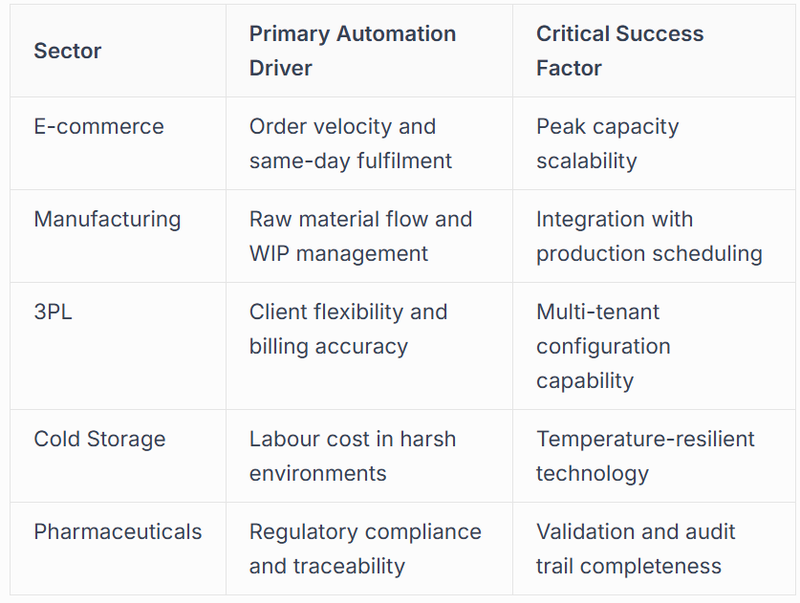
Cold storage operations demand automation solutions capable of functioning reliably in extreme temperatures whilst minimizing human exposure to challenging environments. Food and beverage facilities require systems that meet stringent hygiene standards and accommodate lot tracking requirements. Pharmaceutical automation applications necessitate validation protocols and serialization capabilities that other industries may not require.
Third-party logistics providers (3PLs) managing multiple clients need automation solutions offering configurability and rapid changeover between different product profiles and handling requirements. E-commerce fulfilment operations prioritize speed and accuracy for high-volume, small-order processing that differs markedly from traditional wholesale distribution patterns.
Scalability and Investment Alignment
Automation solutions represent significant capital investment, making scalability a crucial consideration. Entry-level systems that provide immediate productivity gains whilst allowing phased expansion enable businesses to validate automation benefits before committing to comprehensive transformation.
Starting with targeted automation solutions addressing specific constraints proves more manageable than attempting complete facility automation in a single implementation. The Automate-X GTP Starter Grid exemplifies this approach, providing small and medium businesses an accessible entry point into goods-to-person automation that delivers meaningful picking productivity improvements without requiring wholesale operational redesign.
Phased implementation approaches allow operations teams to develop automation expertise progressively, ensuring staff confidence and change management success alongside technology deployment.
Key Components of Integrated Automation Solutions
Comprehensive automation solutions combine multiple technology types, each addressing specific operational functions whilst contributing to overall system performance.
Robotic Systems and Material Handling
Autonomous mobile robots have revolutionized material movement within warehouses, eliminating fixed infrastructure constraints whilst providing flexible capacity adjustment. These systems navigate dynamically around obstacles, optimize routing based on real-time conditions, and scale easily by adding or removing units according to demand.
Automated storage and retrieval systems maximize vertical space utilization whilst ensuring consistent picking performance regardless of storage density. These solutions prove particularly valuable in high-SKU environments where traditional shelving requires excessive travel time and labour hours.
Conveyor and sortation technologies provide:
- Continuous material flow between operational zones
- Automated product diversion to designated processing areas
- Buffer capacity during peak processing periods
- Integration points between manual and automated operations
Goods-to-person systems fundamentally eliminate travel time from picking operations, bringing inventory directly to stationary operators who can process orders with significantly higher efficiency than traditional zone or batch picking methodologies.
Software and Control Systems
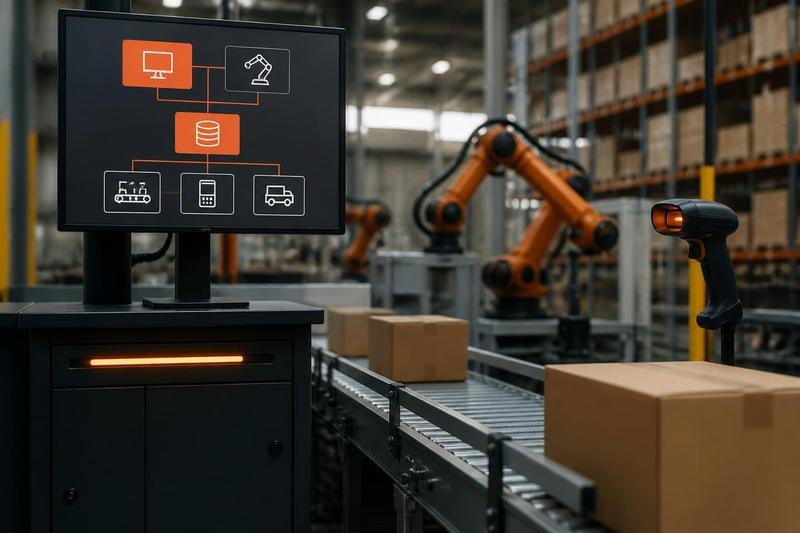
The intelligence layer distinguishing modern automation solutions from simple mechanization lies in sophisticated software platforms that orchestrate system behaviour. Warehouse management systems provide the strategic direction, while warehouse execution systems handle tactical, real-time decision-making about specific movements and resource allocation.
These platforms continuously analyze operational data to optimize performance parameters including travel distances, batch sizes, wave timing, and resource deployment. Machine learning algorithms identify patterns in order profiles, enabling predictive task allocation that positions inventory and resources ahead of actual demand.
Integration capabilities determine how effectively automation solutions connect with broader business systems. Seamless data flow between order management, inventory control, transportation management, and automation platforms eliminates information silos and enables coordinated decision-making across the supply chain.
Implementation Strategies for Automation Solutions
Successful automation deployments extend far beyond technology installation. They require comprehensive planning addressing operational design, change management, and ongoing optimization processes.
Operational Assessment and Design
Effective automation solutions emerge from thorough understanding of current operational patterns, constraints, and improvement opportunities. Data analysis revealing order profiles, SKU velocities, seasonal patterns, and peak demand characteristics informs appropriate technology selection and configuration.
Process mapping identifies workflow inefficiencies that automation can address whilst highlighting areas where existing manual processes provide superior flexibility or cost-effectiveness. Not every warehouse function benefits equally from automation, and strategic deployment focuses investment where returns prove most significant.
Critical assessment areas include:
- Order profile analysis (lines per order, units per line, SKU distribution)
- Labour cost breakdown by operational function
- Space utilization and storage density optimization opportunities
- Accuracy rates and error cost impacts
- Throughput constraints limiting revenue growth
- Seasonal variation and peak capacity requirements
Change Management and Training
Technology implementation represents only one dimension of successful automation solutions deployment. Workforce preparation, role redefinition, and skills development prove equally critical for realizing anticipated benefits.
Operators transitioning from traditional picking to goods-to-person systems require training on new equipment and processes, but also mindset adjustment regarding their evolving role within automated environments. Maintenance teams need capabilities in robotics troubleshooting, software diagnostics, and system optimization that differ substantially from traditional material handling equipment maintenance.
Communication throughout implementation phases builds understanding and acceptance, addressing concerns about job security whilst highlighting opportunities for skill development and career progression within automated operations.
Performance Measurement and Continuous Improvement
Automation solutions generate extensive operational data, creating opportunities for performance analysis and continuous refinement that manual operations cannot match.
Key Performance Indicators
Measuring automation effectiveness requires metrics spanning productivity, accuracy, cost efficiency, and system reliability. Traditional warehouse KPIs like orders per labour hour and picking accuracy remain relevant but gain new context when comparing automated versus manual performance.
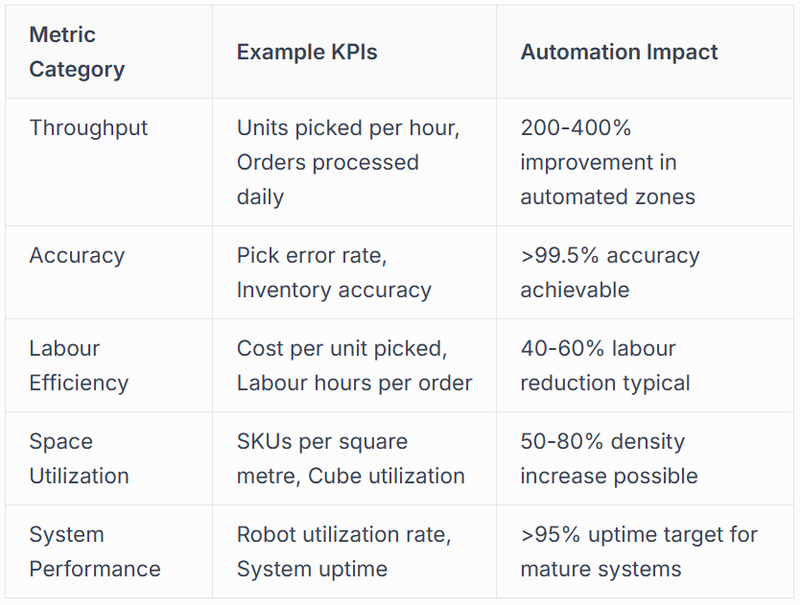
Case studies demonstrate the tangible impact automation solutions deliver across diverse applications. Manufacturing operations have achieved 48% throughput increases through collaborative robotics implementation, while integrated automation systems have transformed retail and automotive distribution operations.
Optimization Cycles
Initial automation performance represents baseline capability rather than ultimate potential. Continuous optimization refines system parameters, workflow configurations, and operational strategies based on accumulated performance data and evolving business requirements.
Regular analysis of robot utilization patterns may reveal opportunities to redistribute units between zones or adjust task allocation algorithms. Order profile changes might necessitate storage slotting adjustments or picking strategy modifications to maintain optimal performance.
Software updates and capability enhancements from automation vendors provide ongoing improvement opportunities without physical infrastructure changes. Staying current with platform capabilities ensures businesses extract maximum value from automation investments.
Integration with Broader Supply Chain Systems
Warehouse automation solutions deliver greatest value when integrated within comprehensive supply chain visibility and control frameworks. Isolated automation excellence matters little if upstream procurement or downstream transportation functions create bottlenecks that limit overall supply chain performance.
End-to-End Visibility
Real-time data sharing between warehouse automation solutions and transportation management systems enables dynamic decision-making about order prioritization, carrier selection, and shipment consolidation. Inventory visibility across multiple facilities allows intelligent order routing that balances workload and optimizes fulfilment costs.
Integration with demand planning systems provides automation platforms advance notice of volume fluctuations, enabling proactive capacity adjustment and resource planning. This predictive capability proves particularly valuable in seasonal businesses where manual reactive responses often prove inadequate.
Supply chain integration benefits include:
- Reduced order cycle times through coordinated processing
- Improved inventory accuracy across all locations
- Enhanced customer communication with real-time status updates
- Optimized inventory positioning based on fulfilment economics
- Coordinated exception handling across supply chain functions
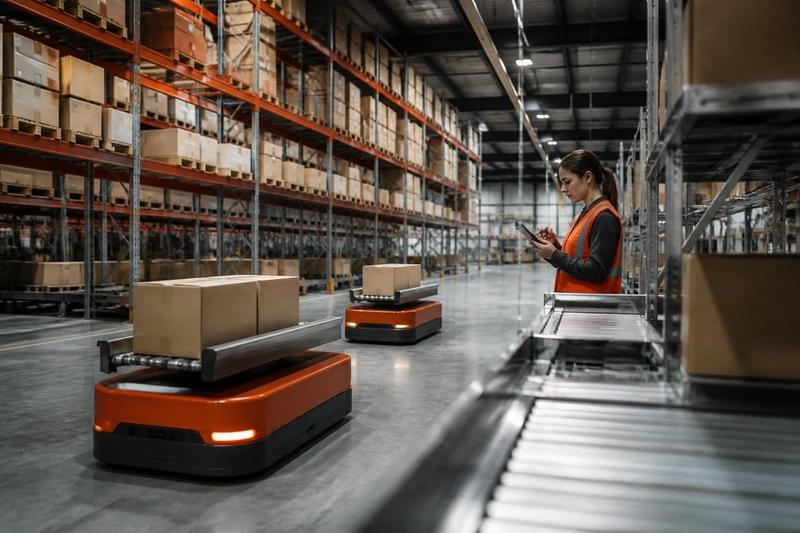
Advanced automation implementations across diverse industries demonstrate how integrated approaches amplify individual technology benefits, creating competitive advantages that isolated point solutions cannot deliver.
Future Directions in Automation Technology
Automation solutions continue evolving rapidly, with emerging technologies promising further operational transformation beyond current capabilities.
Artificial Intelligence and Machine Learning
AI integration within automation solutions enables autonomous decision-making that adapts to changing conditions without human intervention. Machine learning algorithms analyze historical performance data to predict optimal picking strategies, identify potential equipment failures before they occur, and automatically adjust system parameters for peak efficiency.
Advanced AI applications in automation span diverse sectors from finance to healthcare, illustrating the broad applicability of intelligent automation beyond traditional warehouse contexts. These developments signal future warehouse automation capabilities that self-optimize and self-heal with minimal human oversight.
Computer vision systems combined with robotic manipulation expand automation applicability to tasks currently requiring human dexterity and judgment. Unstructured environments and variable product handling become increasingly viable for automated processing as these technologies mature.
Collaborative Automation Models
Future automation solutions increasingly emphasize human-robot collaboration rather than wholesale labour replacement. Collaborative robots (cobots) work alongside human operators, handling repetitive or physically demanding aspects whilst humans manage exceptions, quality verification, and complex decision-making.
This partnership model addresses labour market realities where recruitment challenges make pure manual operations unsustainable whilst recognizing that full automation remains economically or technically impractical for many applications. Augmentation rather than replacement becomes the strategic framework.
Flexible automation solutions that reconfigure rapidly for different products or operational modes provide resilience against demand volatility and market disruption. Businesses operating in uncertain environments value adaptability alongside efficiency, driving development of modular, reconfigurable automation architectures.
Risk Management in Automation Deployment
Despite substantial benefits, automation solutions introduce new operational risks requiring proactive management strategies.
Technical Dependencies and Redundancy
Automated operations create dependency on technology availability, making system failures potentially more disruptive than equivalent manual operation interruptions. Comprehensive maintenance programs, spare parts inventory, and vendor support relationships prove essential for minimizing downtime risks.
Designing redundancy into critical automation components ensures operations can continue at reduced capacity during equipment failures rather than complete shutdown. Maintaining manual backup capabilities for essential functions provides ultimate contingency, though at efficiency costs that make this approach impractical for routine operation.
Cybersecurity Considerations
Connected automation solutions expand potential cyber attack surfaces, making robust security protocols essential. Network segmentation isolating operational technology from corporate IT systems, regular security updates, and access controls limit vulnerability to external threats and internal errors.
Data backup and disaster recovery planning ensure business continuity even in worst-case scenarios involving major system compromise or physical damage to automation infrastructure.
Skills and Knowledge Retention
As automation solutions assume greater operational responsibility, organizational knowledge about underlying processes may erode. Maintaining process understanding independent of automation systems ensures businesses can troubleshoot effectively and make informed decisions about future automation investments.
Documentation of automation configuration, customization decisions, and integration logic prevents vendor dependency and enables effective system management through staff transitions or vendor changes.
Automation solutions represent transformative investments that fundamentally reshape warehouse operations, delivering productivity, accuracy, and scalability improvements that manual processes cannot match. Strategic implementation addressing specific operational constraints whilst maintaining flexibility for future evolution positions businesses for sustainable competitive advantage in increasingly demanding market environments. Automate-X combines robotics expertise, warehouse software platforms, and system integration capabilities to design and deploy automation solutions tailored to your specific operational requirements, enabling scalable growth across distribution and fulfilment environments.