

Automation Work: Transforming Warehouse Operations
Share on
The landscape of warehouse and logistics operations has transformed dramatically over the past decade, driven by the rapid evolution of automation work. What once required teams of manual labourers and paper-based systems now demands a strategic blend of intelligent robotics, sophisticated software platforms, and skilled human oversight. For logistics providers, 3PL operators, and manufacturing facilities across Australia and New Zealand, understanding the principles and practices of automation work has become essential for maintaining competitive advantage and meeting the accelerating demands of modern supply chains. This shift represents not merely a technological upgrade but a fundamental reimagining of how distribution and fulfillment environments operate at scale.
Understanding the Foundations of Automation Work
Automation work encompasses far more than simply installing robots in a warehouse. It represents a systematic approach to redesigning operational workflows, integrating intelligent systems, and creating scalable infrastructure that adapts to changing business requirements. The fundamental principles of automation emphasize visibility, accuracy, simplicity, efficiency, speed, and user experience as core pillars that guide successful implementation.
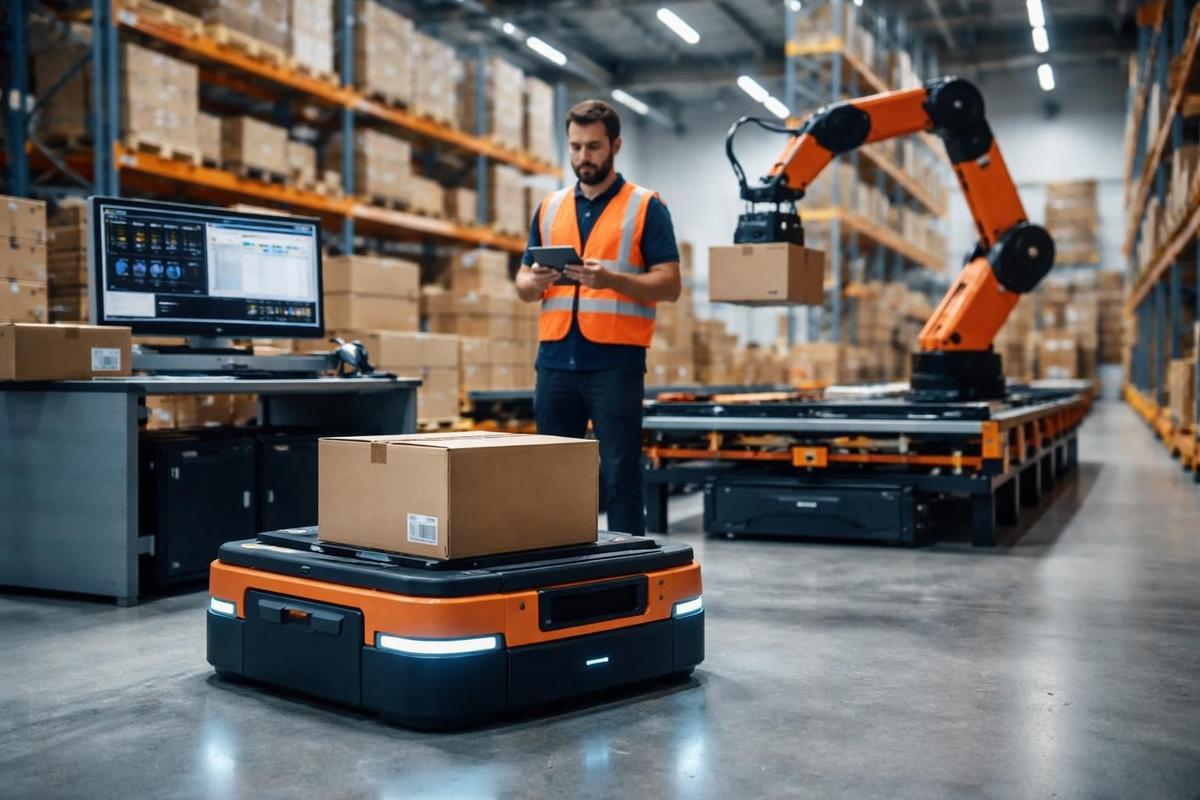
Modern automation work in warehouse environments typically involves multiple interconnected systems working in harmony. These include autonomous mobile robots (AMRs), automated storage and retrieval systems, conveyor networks, sorting equipment, and warehouse management software platforms. Each component must be carefully selected, configured, and integrated to create a cohesive operational ecosystem.
The Human Element in Automation Work
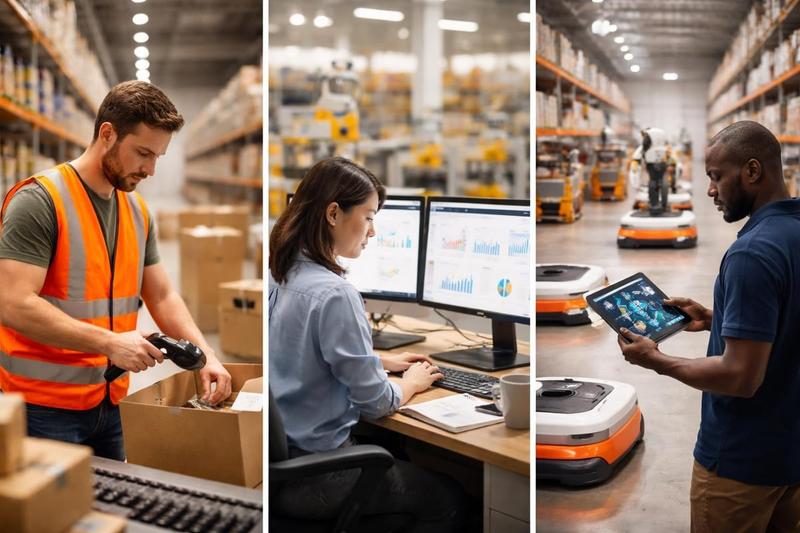
Despite the technological focus, successful automation work requires substantial human expertise. Specialists must design system architectures, configure software parameters, train staff members, and continuously optimize performance metrics. The ironies of automation remind us that as systems become more automated, the human operators who remain become increasingly critical to system success, requiring higher levels of skill and expertise than ever before.
Strategic Planning for Automation Work Implementation
Effective automation work begins long before equipment arrives at the warehouse. The planning phase determines whether an automation project delivers transformative value or becomes an expensive disappointment. Organizations must conduct thorough assessments of current operations, future growth projections, and specific pain points that automation should address.
Key planning considerations include:
- Current order volumes and projected growth rates over five to ten years
- SKU profiles, including dimensions, weights, and handling requirements
- Seasonal demand fluctuations and peak period capacities
- Available facility space and structural limitations
- Budget constraints and expected return on investment timelines
- Integration requirements with existing enterprise systems
Many organizations approach automation work incrementally rather than pursuing complete facility transformation immediately. This phased methodology reduces risk, allows for learning and adjustment, and enables faster time-to-value for initial investments. Starting with high-impact areas such as goods-to-person picking or automated storage creates immediate operational improvements while building organizational capability for future expansion.
Establishing a Source of Truth
One critical but often overlooked aspect of automation work involves establishing reliable data foundations. Building a source of truth ensures that all automated systems reference consistent, accurate information about inventory locations, product specifications, and operational parameters. Without this foundation, automation work can amplify rather than eliminate errors and inefficiencies.
For warehouse operations, this means creating and maintaining accurate digital twins of physical inventory, standardizing data formats across systems, and implementing rigorous data governance practices. The automation work invested in data quality delivers exponential returns as systems scale and complexity increases.
Technology Selection and Integration Challenges
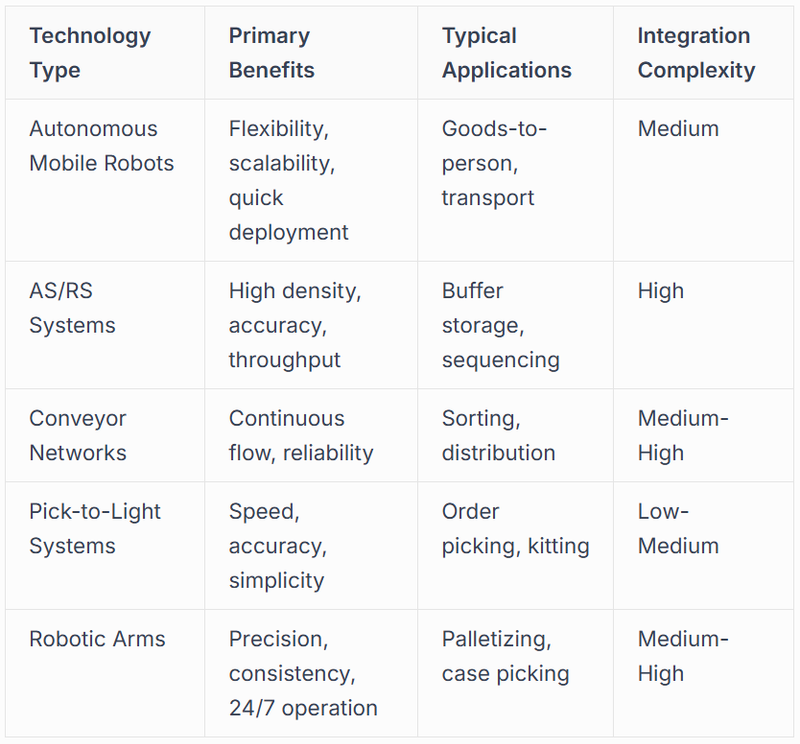
Choosing the right technologies represents one of the most consequential decisions in automation work. The market offers an overwhelming array of options, from established solutions providers to innovative startups developing cutting-edge capabilities. Each technology brings specific strengths, limitations, and integration requirements that must align with organizational needs.
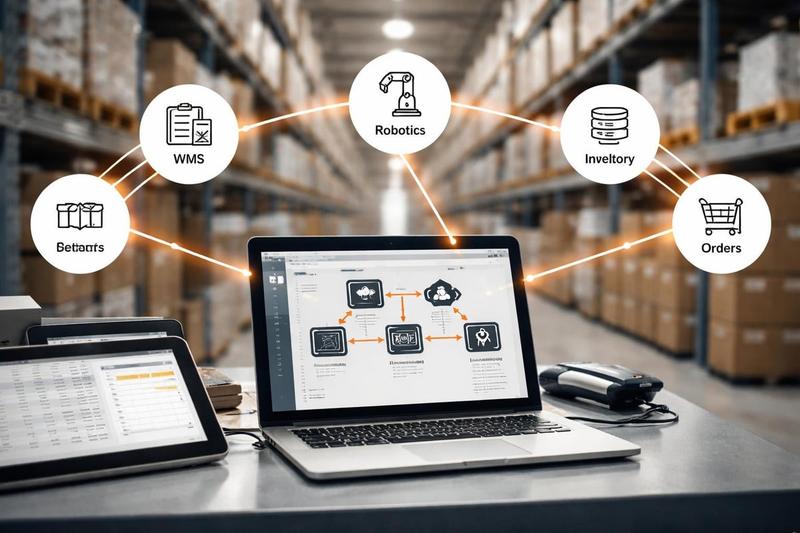
The integration work required to connect these technologies with warehouse management systems, enterprise resource planning platforms, and transportation management systems often represents the most challenging aspect of automation implementation. Custom middleware, API development, and careful configuration ensure that data flows seamlessly between systems and that automated equipment responds appropriately to business logic and operational requirements.
Avoiding Automation Bias in System Design
As organizations deepen their automation work, they must guard against automation bias, the tendency to over-rely on automated systems and discount human judgment or contradictory information. In warehouse environments, this bias can manifest as blind acceptance of system recommendations even when operational realities suggest alternative approaches.
Effective automation work builds in appropriate checkpoints, exception handling processes, and escalation pathways that preserve human oversight where it matters most. Systems should empower rather than replace human decision-making in complex or ambiguous situations.
Operational Transformation Through Automation Work
Once automation systems go live, the real work of operational transformation begins. Organizations must adapt workflows, retrain personnel, establish new performance metrics, and continuously refine system parameters to optimize results. This transition period often proves challenging as teams adjust to new ways of working and learn to trust automated systems.
Common transformation challenges include:
- Resistance from existing workforce concerned about job security or unfamiliar with technology
- Performance gaps between expected and actual system throughput during ramp-up
- Unexpected exceptions that automated systems cannot handle without human intervention
- Integration bugs that only emerge under real operational conditions
- Change management fatigue as organizations balance automation work with ongoing business demands
Successful organizations approach these challenges proactively through comprehensive change management programs, transparent communication, robust training initiatives, and realistic timeline expectations. The automation work invested in people and processes often matters as much as the technology investments themselves.
Measuring Automation Work Success
Defining and tracking appropriate metrics ensures that automation work delivers measurable value. Traditional warehouse metrics like picks per hour or order accuracy remain relevant but must be complemented by automation-specific measurements.
Critical metrics for automation work include:
- System uptime and availability percentages
- Mean time between failures (MTBF) for automated equipment
- Mean time to repair (MTTR) when issues occur
- Labour productivity improvements in automated versus manual zones
- Space utilization efficiency gains
- Energy consumption per unit processed
- Return on investment achievement against projections
These metrics should be reviewed regularly and used to guide continuous improvement efforts. The comprehensive understanding of automation as both a technical and organizational capability helps contextualize these measurements within broader business objectives.
Advanced Applications and Emerging Trends
The frontier of automation work continues to expand as technologies mature and new capabilities emerge. Artificial intelligence and machine learning now enable predictive maintenance, dynamic path optimization, and autonomous decision-making that was impossible just years ago. Computer vision systems can identify products, detect quality issues, and guide robotic manipulators with human-like perception.
For businesses ready to begin their automation journey with proven, accessible solutions, the Automate-X GTP Starter Grid offers an entry point specifically designed for small and medium operations in Australia and New Zealand. This approach makes goods-to-person automation achievable without the complexity and capital investment traditionally associated with warehouse automation work.
The Role of Digital Twins in Automation Work
Digital twin technology represents an increasingly important tool in automation work, allowing organizations to simulate and optimize operations in virtual environments before implementing changes in physical warehouses. These digital replicas incorporate real-time data from operational systems, creating dynamic models that reflect current conditions and enable predictive analysis.
Organizations use digital twins to test new automation configurations, predict system performance under various demand scenarios, and identify potential bottlenecks before they impact operations. This simulation capability dramatically reduces the risk associated with automation work investments and accelerates the optimization process.
Building Organizational Capability for Automation Work
Sustainable success with automation work requires building internal expertise rather than relying exclusively on external vendors and consultants. Organizations must develop capabilities in system configuration, performance optimization, troubleshooting, and strategic planning. This knowledge accumulation enables faster response to issues, better utilization of automation investments, and more informed decision-making about future expansions.
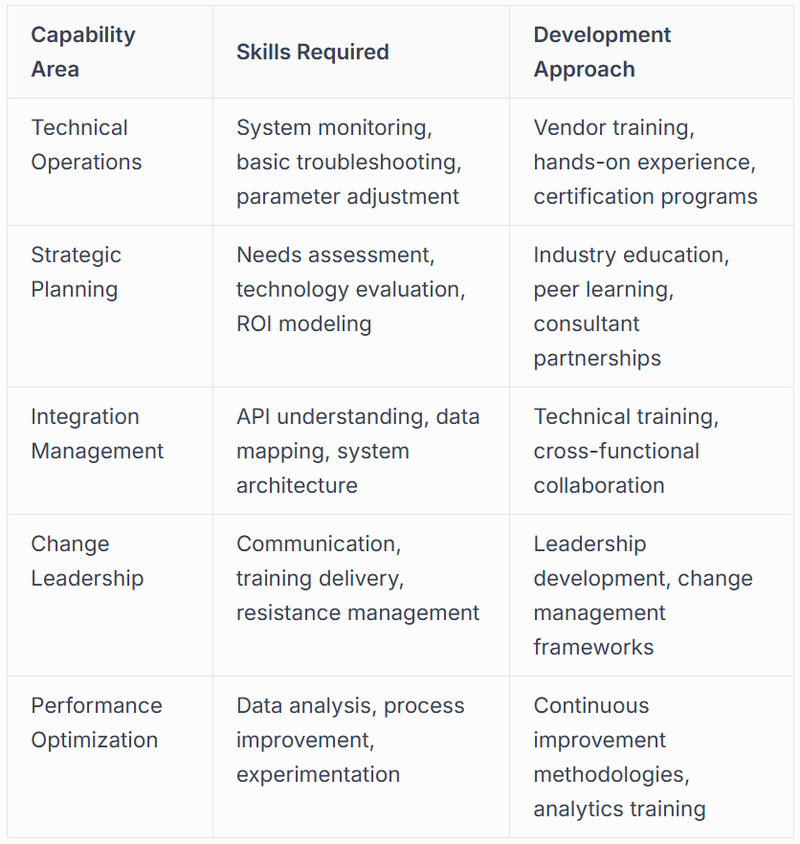
Many organizations establish dedicated automation teams combining operational expertise, technical skills, and project management capabilities. These teams drive ongoing automation work, coordinate with vendors, and champion continuous improvement initiatives across the organization.
Connecting Automation Work to Broader Production Goals
Warehouse automation work should not exist in isolation but rather connect seamlessly to broader automated production strategies across the supply chain. This integration ensures that efficiency gains in warehousing align with manufacturing capabilities, transportation networks, and customer delivery requirements. The most successful automation implementations consider the entire value stream rather than optimizing individual components in isolation.
Risk Management and Contingency Planning
Despite careful planning and execution, automation work carries inherent risks that organizations must acknowledge and mitigate. Equipment failures, software bugs, integration issues, and unforeseen operational challenges can disrupt operations and impact customer service levels. Comprehensive risk management approaches identify potential failure points and establish contingency plans to maintain operations during disruptions.
Essential risk mitigation strategies include:
- Maintaining manual operation capabilities for critical processes
- Building redundancy into automated systems for high-criticality functions
- Establishing vendor support agreements with defined response times
- Creating detailed runbooks for common failure scenarios
- Conducting regular disaster recovery drills and system tests
- Maintaining adequate spare parts inventory for critical components
The cognitive challenges of automation bias extend to risk assessment as well, where organizations may underestimate failure probabilities or overestimate their ability to respond to automation-related disruptions. Realistic risk planning acknowledges that automation work introduces new failure modes even as it eliminates others.
Vendor Partnerships and Ecosystem Management
Successful automation work typically involves multiple technology vendors, system integrators, and service providers working together. Managing this ecosystem requires clear communication, well-defined responsibilities, and effective coordination mechanisms. Organizations must establish governance structures that ensure all parties work toward common objectives and resolve conflicts constructively.
Selecting partners based on technical capability alone proves insufficient. Organizations should evaluate vendors on their collaboration approach, cultural compatibility, service responsiveness, and long-term viability. The automation work relationship extends far beyond initial installation, requiring ongoing support, upgrades, and enhancement over many years.
Long-term Evolution and Scalability
Automation work should be approached with long-term evolution in mind rather than as a one-time project. Technologies improve, business requirements change, and operational volumes fluctuate over time. The most successful implementations build in flexibility and scalability that accommodate future growth and enable technology refreshes without complete system replacement.
This evolutionary approach might begin with basic automation in high-volume areas, expand to additional processes as capabilities mature, and ultimately create fully integrated automated environments. Each phase builds on previous investments while incorporating learnings and technological advances. The modular nature of modern automation systems supports this incremental growth better than legacy monolithic approaches.
Automation work represents a transformative journey that extends far beyond technology installation to encompass strategic planning, organizational change, and continuous operational refinement. By understanding the principles, challenges, and best practices outlined throughout this article, logistics and warehouse operations can approach automation with realistic expectations and effective strategies. Automate-X combines modern robotics, intelligent software, and deep integration expertise to help distribution centres, 3PL providers, and manufacturing operations across Australia and New Zealand achieve their automation objectives while building scalable foundations for future growth.