

Learn Industrial Automation: Essential Guide for 2026
Share on
Industrial automation has transformed from a competitive advantage into an operational necessity for modern warehouse and logistics operations. As supply chain complexity increases and labour markets tighten across Australia and New Zealand, the ability to design, implement, and optimise automated systems has become one of the most sought-after skill sets in the industry. Whether you're a warehouse manager looking to upskill, an engineer transitioning into logistics technology, or a business leader evaluating automation investments, understanding the fundamentals of industrial automation opens pathways to improved efficiency, reduced operational costs, and enhanced competitive positioning.
Understanding Industrial Automation Fundamentals
Industrial automation encompasses the integration of control systems, robotics, sensors, and software to perform tasks with minimal human intervention. In warehouse environments, this translates to automated material handling, intelligent inventory management, robotic picking systems, and integrated software platforms that orchestrate entire operations.
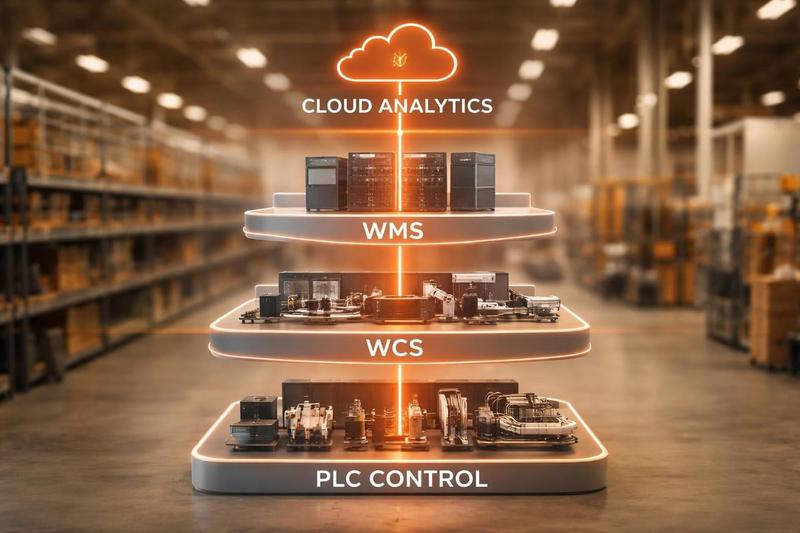
The foundation of automation knowledge begins with understanding control systems. Programmable Logic Controllers (PLCs) serve as the brain of most automated systems, processing inputs from sensors and executing programmed logic to control actuators, motors, and other output devices. Modern PLCs have evolved to communicate seamlessly with enterprise software, creating interconnected ecosystems that span from the warehouse floor to cloud-based analytics platforms.
Key components every automation learner should understand include:
- Sensors and input devices that monitor physical conditions
- Actuators and motors that perform physical work
- Control systems that process information and make decisions
- Human-machine interfaces (HMIs) that enable operator interaction
- Communication networks that connect distributed systems
When you learn industrial automation, you develop proficiency across mechanical, electrical, and software domains. This multidisciplinary nature makes automation both challenging and rewarding, requiring a blend of technical knowledge and practical problem-solving skills.
Robotics and Material Handling Systems
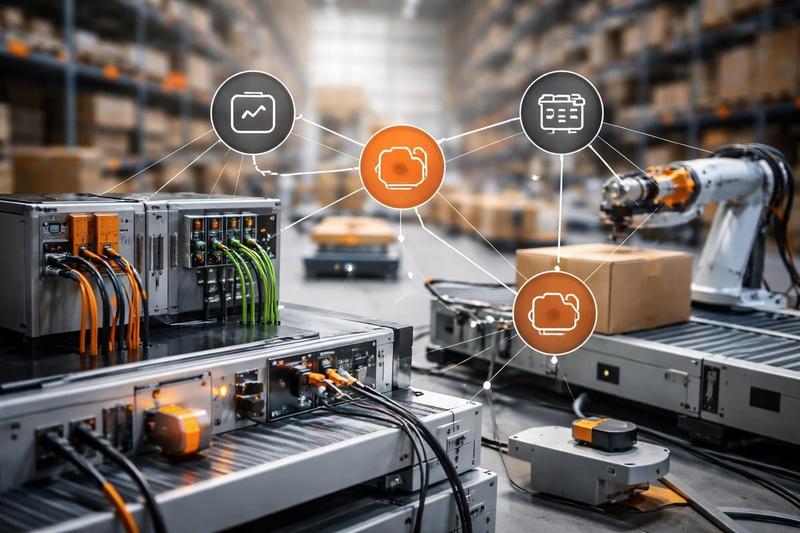
Robotics represents one of the most visible aspects of warehouse automation. Modern facilities deploy various robot types, each suited to specific tasks. Articulated robots excel at palletising and depalletising operations, while collaborative robots (cobots) work alongside human operators in picking and packing applications. Autonomous mobile robots (AMRs) navigate warehouse floors, transporting goods between zones without fixed infrastructure.
Understanding robotic systems requires knowledge of kinematics, path planning, safety systems, and integration protocols. The International Society of Automation (ISA) offers comprehensive standards that guide safe and effective robotic deployment, covering everything from risk assessment to emergency stop functions.
Educational Pathways to Learn Industrial Automation
Multiple learning pathways exist for those seeking to master automation technologies. Traditional university programmes in mechatronics, electrical engineering, or industrial automation provide comprehensive theoretical foundations. These typically span three to four years and deliver broad knowledge across mathematics, physics, control theory, and systems design.
For professionals already in the workforce, short courses and certification programmes offer targeted skill development. The American Society of Mechanical Engineers provides fundamental courses covering essential automation concepts without requiring full degree commitment. These intensive programmes typically run from several days to a few weeks, focusing on practical application rather than theoretical depth.
Hands-On Training and Simulation
Theoretical knowledge alone proves insufficient in automation. Practical experience with actual hardware accelerates learning and builds confidence in troubleshooting real-world problems. SMC International Training provides access to industrial-standard equipment, enabling learners to work with pneumatic systems, sensors, and control devices used in actual warehouse environments.
Simulation software has emerged as a powerful learning tool, allowing students to:
- Design and test control logic without physical hardware
- Experiment with different automation scenarios safely
- Visualise system behaviour before implementation
- Troubleshoot problems in a risk-free environment
- Optimise system performance through iteration
Many organisations now combine physical training labs with virtual simulation, creating blended learning experiences that maximise knowledge retention while minimising equipment costs.
Core Technical Skills for Automation Professionals
To effectively learn industrial automation, you must develop competency across several technical domains. PLC programming forms the cornerstone of automation expertise. Ladder logic remains the most common programming language, though structured text and function block diagrams have gained prominence in complex applications.
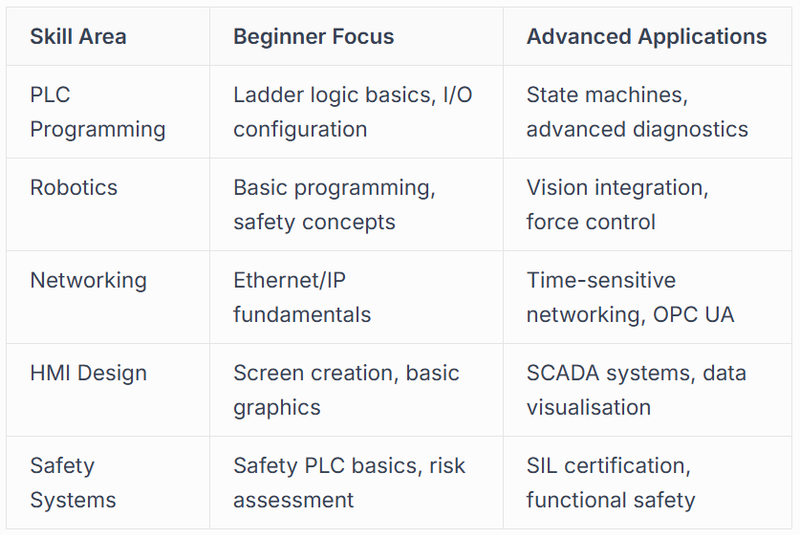
Industrial networking knowledge has become increasingly critical as automation systems embrace Industry 4.0 connectivity. Understanding protocols like EtherNet/IP, PROFINET, and Modbus TCP enables integration of diverse equipment from multiple manufacturers. Recent research on Time-Sensitive Networking standards highlights how industrial networks are evolving to support real-time communication requirements essential for coordinated automation systems.
Software and Control Logic Development
Modern warehouse automation relies heavily on sophisticated software layers. Warehouse Management Systems (WMS) coordinate inventory, order fulfilment, and resource allocation, while Warehouse Control Systems (WCS) manage real-time equipment control. Understanding how these systems interact with PLCs, robots, and material handling equipment proves essential for implementing cohesive automation solutions.
Learning software integration requires familiarity with:
- Application Programming Interfaces (APIs) for system communication
- Database fundamentals for data storage and retrieval
- Middleware platforms that connect disparate systems
- Cloud platforms enabling remote monitoring and analytics
The shift toward AI in warehouse management has added machine learning and predictive analytics to the automation skill set. While advanced AI development may require data science expertise, automation professionals benefit from understanding how AI-driven insights inform system optimisation and predictive maintenance strategies.
Practical Application in Warehouse Environments
Learning automation concepts without context proves less effective than understanding how these technologies solve real operational challenges. Consider a typical order fulfilment process: items must be retrieved from storage, transported to picking stations, picked into orders, packed, and shipped. Each stage presents automation opportunities with distinct technical requirements.
Goods-to-person systems eliminate worker travel time by bringing inventory to ergonomic picking stations. These systems integrate automated storage and retrieval systems (AS/RS), conveyor networks, and software orchestration. For operations beginning their automation journey, modular solutions provide accessible entry points without massive capital investment. The Automate-X GTP Starter Grid offers a practical example of how smaller operations can implement goods-to-person automation, starting with core functionality and expanding as operational needs grow.
Integration Challenges and Solutions
Real-world automation projects rarely involve greenfield installations. Most warehouse automation initiatives must integrate with existing infrastructure, legacy systems, and ongoing operations. This reality makes integration skills particularly valuable.
Common integration challenges include:
- Coordinating new equipment with existing material handling systems
- Maintaining data consistency across multiple software platforms
- Managing change while minimising operational disruption
- Training staff on new technologies and procedures
- Ensuring scalability for future growth
Successful automation professionals develop strong project management capabilities alongside technical skills. Understanding stakeholder requirements, managing timelines, and communicating technical concepts to non-technical audiences separates effective implementers from pure technicians.
Industry-Recognised Certifications and Standards
Professional certifications validate automation expertise and enhance career prospects. The Certified Automation Professional (CAP) credential offered through ISA demonstrates comprehensive knowledge across automation technologies and best practices. ISA's automation professional training programmes prepare candidates for certification while building practical skills applicable to warehouse environments.
Safety certifications carry particular importance given the potential hazards of automated equipment. Functional Safety Engineer certifications focus on designing and maintaining systems that meet Safety Integrity Level (SIL) requirements, ensuring automated systems operate safely even under fault conditions.
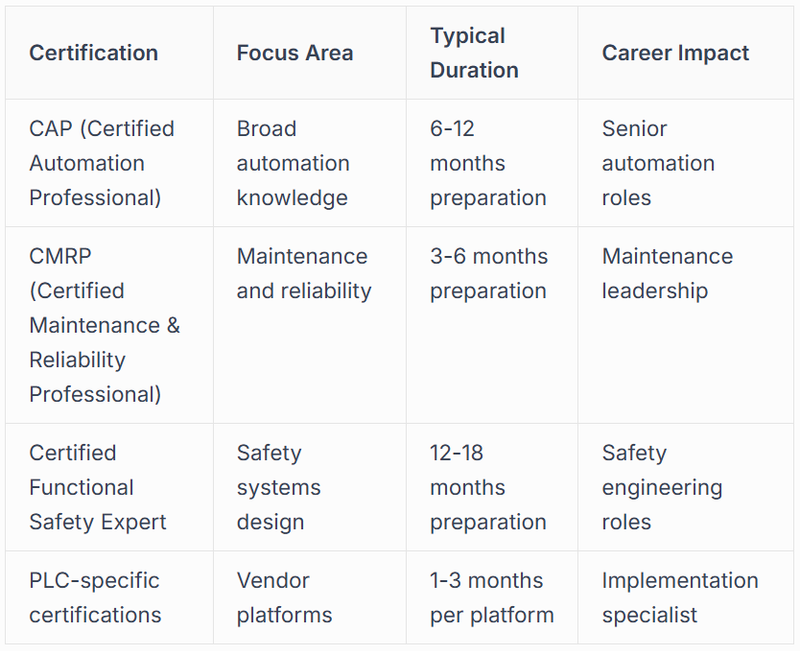
Standards compliance ensures automation systems meet industry expectations for safety, interoperability, and performance. Familiarity with ISA standards, ANSI/RIA robotics standards, and local electrical codes forms part of comprehensive automation education.
Advanced Topics and Emerging Technologies
Once foundational skills are established, advancing your automation knowledge involves exploring emerging technologies reshaping warehouse operations. Digital twins create virtual replicas of physical systems, enabling simulation, optimisation, and predictive maintenance without disrupting live operations. These virtual models incorporate real-time data from sensors and control systems, creating dynamic representations that evolve with actual equipment.
Edge computing brings processing power closer to automation equipment, reducing latency and enabling real-time decision-making without cloud connectivity. This architecture proves particularly valuable in time-sensitive applications where millisecond response times matter, such as robotic collision avoidance or high-speed sortation.
Augmented reality (AR) platforms are transforming how technicians interact with automated systems. AR-enabled maintenance procedures overlay digital information onto physical equipment, guiding technicians through complex repairs and diagnostics. Training programmes increasingly incorporate AR technology, accelerating skill development through immersive learning experiences.
Continuous Learning and Professional Development
Industrial automation evolves rapidly, with new technologies, protocols, and methodologies emerging regularly. To learn industrial automation effectively means committing to ongoing professional development throughout your career. This might include:
- Attending industry conferences and trade shows
- Participating in online communities and forums
- Reading technical journals and research papers
- Experimenting with new technologies in lab settings
- Collaborating with peers on challenging projects
Many automation professionals dedicate time each week to exploring new capabilities of existing tools or investigating emerging technologies. This continuous learning mindset ensures skills remain current and competitive.
Building Practical Experience
While courses and certifications provide knowledge, practical experience builds competence. Seek opportunities to work with automated systems, even if starting with basic tasks. Observing experienced automation engineers, asking questions, and gradually taking on more complex responsibilities accelerates skill development beyond what classroom learning alone achieves.
Personal projects offer valuable learning opportunities when workplace access proves limited. Hobby-scale PLCs, Arduino-based automation projects, and simulation software enable experimentation without significant investment. These projects demonstrate initiative to potential employers while building genuine troubleshooting abilities.
Mentorship relationships with experienced automation professionals provide guidance, industry insights, and career advice unavailable through formal education. Many professional organisations facilitate mentorship connections, pairing newcomers with established experts willing to share knowledge and experience.

Cross-Functional Collaboration Skills
Modern warehouse automation projects require collaboration across diverse teams. Automation specialists work alongside operations managers, IT professionals, safety officers, and executive leadership. Developing communication skills and business acumen enhances technical abilities, enabling automation professionals to translate technical possibilities into business value.
Understanding operational metrics like throughput, accuracy, labour productivity, and return on investment allows automation professionals to design solutions that deliver measurable business outcomes. Technical excellence matters less if automated systems fail to address actual operational challenges or deliver expected financial returns.
Career Opportunities in Warehouse Automation
The growing adoption of warehouse automation creates expanding career opportunities across multiple roles. Automation engineers design and implement automated systems, requiring strong technical skills and project management capabilities. Controls engineers focus specifically on PLC programming, HMI development, and control system integration.
Robotics specialists concentrate on robotic systems, including programming, integration, and optimisation. Maintenance technicians with automation expertise command premium wages due to their ability to troubleshoot complex automated equipment. System integrators combine equipment from multiple manufacturers into cohesive solutions, requiring broad technical knowledge and vendor relationship management.
Emerging roles include:
- Digital twin engineers creating virtual system models
- AI specialists optimising warehouse operations through machine learning
- Cybersecurity professionals protecting industrial control systems
- Data analysts extracting insights from automated system performance
Salary expectations vary based on experience, location, and specific role, but automation professionals generally earn above-average compensation reflecting the specialised nature of their skills. Career progression often leads toward automation management, overseeing teams of engineers and technicians, or systems architecture, designing enterprise-level automation strategies.
Choosing Your Learning Path
Your optimal path to learn industrial automation depends on current background, career goals, available time, and learning preferences. Engineers with existing technical backgrounds may progress quickly through specialised automation training, while those from operational backgrounds might benefit from foundational electrical and control courses before advancing to complex topics.
Consider whether you prefer structured classroom environments with defined curricula or self-directed learning through online resources and personal projects. Both approaches work, though most successful automation professionals combine formal training with hands-on experimentation.
Schneider Electric's training services exemplify vendor-specific programmes teaching particular product families, valuable when working with those platforms but potentially limiting if seeking broader knowledge. Balance vendor training with platform-agnostic education to build transferable skills applicable across different automation ecosystems.
Geographic location influences available opportunities. Major metropolitan areas typically offer more training providers, equipment suppliers, and employment opportunities, while regional areas may require online learning or travel for specialised training. However, remote work trends and online learning platforms have reduced geographic barriers significantly.
Maximising Return on Automation Education
Whether pursuing automation education independently or through employer sponsorship, maximising your investment requires strategic planning. Set clear learning objectives aligned with career goals rather than pursuing certifications simply for credential collection. Focus on skills directly applicable to your industry sector, whether that's warehouse automation, manufacturing, utilities, or other industrial domains.
Building a portfolio documenting completed projects, solved problems, and acquired skills demonstrates capabilities to potential employers more effectively than certificates alone. Include details about challenges faced, solutions implemented, and measurable outcomes achieved. This evidence-based approach to career development builds credibility and differentiates you from candidates with equivalent credentials but less practical experience.
Understanding how automation and industrial robotics integrate within broader supply chain operations provides context that enhances technical skills. Automation exists to serve business objectives, and professionals who understand both technical implementation and business strategy become invaluable resources for organisations navigating digital transformation.
Resources Beyond Formal Training
Supplement structured training with freely available resources that deepen understanding and broaden perspectives. Technical documentation from equipment manufacturers provides detailed specifications and programming examples. Industry publications cover emerging trends, case studies, and best practices. Online forums connect automation professionals worldwide, enabling knowledge sharing and collaborative problem-solving.
YouTube channels dedicated to industrial automation offer visual demonstrations of concepts, equipment operation, and troubleshooting techniques. While variable in quality, the best channels provide valuable insights from experienced practitioners. Podcast interviews with automation leaders offer perspectives on industry evolution, career development, and technological innovation.
EWI's training classes on automation demonstrate how specialised organisations provide hands-on workshops with industrial robots, combining classroom instruction with practical application. These intensive programmes accelerate learning through immersive experiences that simulate real-world implementation challenges.
Making the Commitment
Learning industrial automation requires sustained effort and genuine interest in understanding how complex systems work. The journey from novice to competent automation professional typically spans years rather than months, with expertise deepening through repeated exposure to diverse challenges. Success requires patience, persistence, and willingness to embrace continuous learning as technology evolves.
The rewards, however, justify the investment. Automation professionals enjoy intellectually stimulating careers solving complex problems with tangible business impact. The satisfaction of commissioning an automated system that transforms operational efficiency, or troubleshooting a critical issue that restores production, creates fulfilling professional experiences rarely found in routine roles.
As warehouse and logistics operations increasingly adopt automation technologies to remain competitive, professionals with automation expertise will continue experiencing strong demand, attractive compensation, and diverse career opportunities. The decision to learn industrial automation positions you at the forefront of this industrial transformation, equipped with skills essential for the future of supply chain operations.
Mastering industrial automation fundamentals equips you with the technical knowledge and practical skills essential for modern warehouse operations. As logistics and supply chain businesses face increasing pressure to improve efficiency and scalability, automation expertise becomes an invaluable asset. Automate-X specialises in intelligent warehouse automation solutions that combine robotics, software, and system integration to transform distribution and fulfilment operations. Whether you're exploring automation possibilities or ready to implement advanced systems, Automate-X delivers the expertise and technology to achieve your operational goals.