

Packaging Automation Solutions for Modern Warehouses
Share on
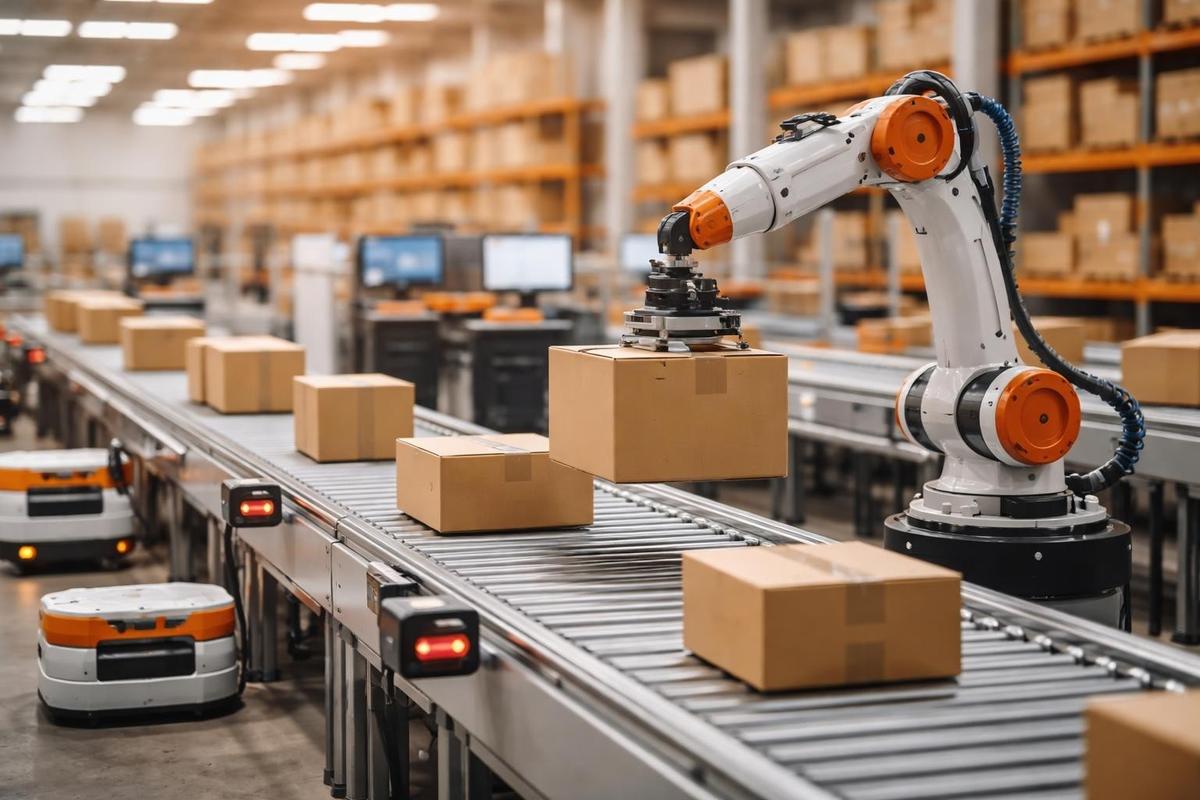
The demand for faster order fulfillment and operational efficiency has pushed warehouse and distribution facilities to rethink traditional packaging processes. Manual packaging methods, once the backbone of logistics operations, now struggle to keep pace with the speed and accuracy requirements of modern supply chains. As e-commerce growth accelerates and customer expectations for rapid delivery intensify, businesses across New Zealand and Australia are increasingly turning to automated technologies to maintain competitive advantage. These sophisticated systems combine robotics, intelligent software, and integrated machinery to transform how products move from warehouse shelves to customer doorsteps.
Understanding Packaging Automation in Warehouse Environments
Packaging automation solutions encompass a broad spectrum of technologies designed to streamline the final stages of order fulfillment. These systems handle everything from box formation and product insertion to sealing, labeling, and palletization without significant human intervention.
Modern packaging automation integrates seamlessly with existing warehouse management systems, creating a cohesive workflow that reduces bottlenecks and minimizes errors. The technology spans multiple categories:
- Automated case erectors that form boxes at high speeds
- Robotic pick-and-place systems for product insertion
- Intelligent sealing and taping machines with quality control sensors
- Label application systems with real-time verification
- Palletizing robots that optimize load configuration
- Stretch wrapping equipment for secure transport preparation
The packaging automation solutions market continues to expand rapidly, driven by increasing demand for efficiency and accuracy across diverse industries. These systems are no longer exclusive to large multinational corporations; businesses of all sizes now access scalable automation options that match their operational requirements and budget constraints.
Technology Components Driving Packaging Efficiency
Robotics and Mechanical Systems
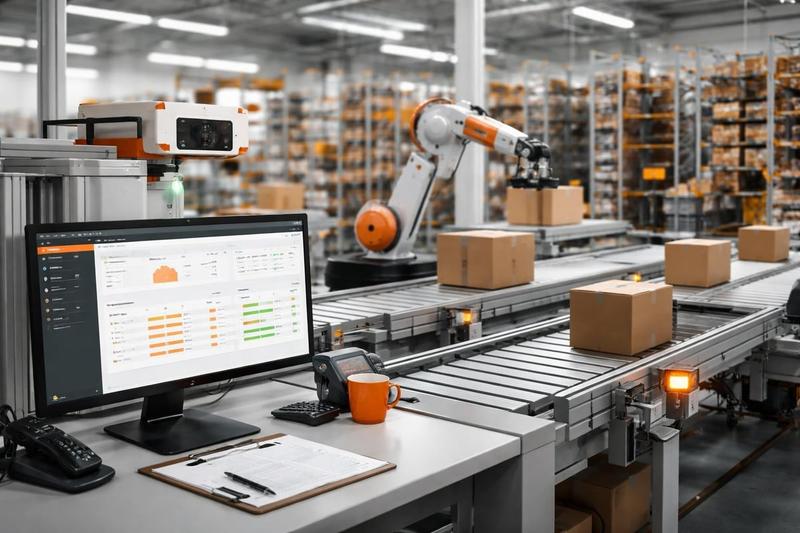
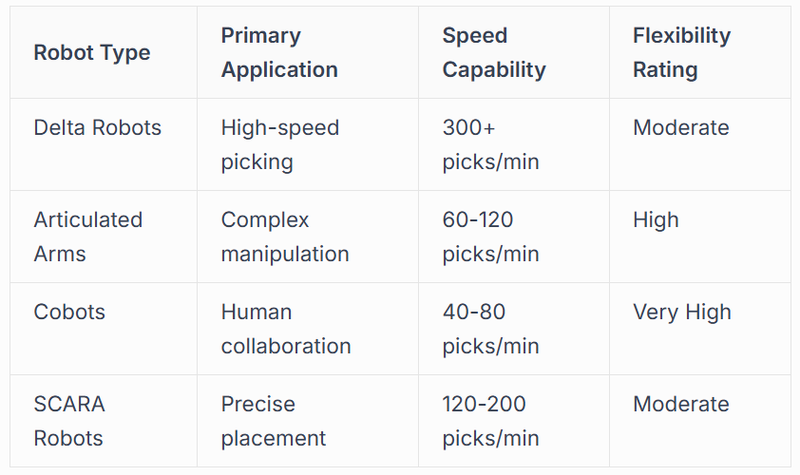
The foundation of effective packaging automation solutions lies in the sophisticated robotics that power physical operations. Collaborative robots, or cobots, work alongside human operators to handle repetitive tasks with precision and consistency. These machines feature advanced vision systems that identify products, assess orientation, and adjust handling techniques accordingly.
Delta robots excel at high-speed pick-and-place operations, moving items between conveyor lines and packaging stations with remarkable accuracy. Articulated robots manage more complex manipulation tasks, including product grouping and custom packaging configurations. The flexibility of modern robotic systems allows businesses to adapt quickly to changing product lines and seasonal demand variations.
Software Intelligence and Integration
Behind every efficient packaging automation system operates sophisticated software that orchestrates equipment, manages workflows, and optimizes performance. Warehouse management systems communicate with packaging machinery to ensure the right products receive appropriate packaging materials and shipping configurations.
Machine learning algorithms analyze historical data to predict optimal packaging methods, reducing material waste and improving space utilization during transport. Real-time monitoring systems track equipment performance, identifying maintenance needs before failures occur and minimizing costly downtime.
Integration capabilities determine how well packaging automation solutions mesh with existing infrastructure. Modern systems offer APIs and standardized communication protocols that connect seamlessly with enterprise resource planning platforms, transportation management systems, and quality assurance databases.
Industry-Specific Applications and Benefits
E-commerce and Retail Distribution
E-commerce operations face unique challenges that make packaging automation particularly valuable. Order profiles vary dramatically, with single-item shipments requiring different handling than bulk orders. Automated packaging systems adjust box sizes dynamically, selecting the most appropriate container for each order combination to minimize dimensional weight charges and reduce material costs.
The speed advantage becomes critical during peak seasons when order volumes surge. Manual packaging teams struggle to maintain consistent output during holiday rushes, but automated systems maintain steady throughput regardless of demand spikes. This reliability enables businesses to honor delivery promises and maintain customer satisfaction during crucial selling periods.
Food and Beverage Operations
Food and beverage facilities require packaging solutions that meet strict hygiene standards while handling products with varying fragility levels. Stainless steel construction and IP-rated components ensure equipment withstands regular sanitation procedures without degradation.
Temperature-controlled environments present additional complexity. Packaging automation solutions designed for cold-storage operations feature components rated for continuous operation in sub-zero conditions, maintaining performance where human productivity naturally declines. These systems handle delicate products like fresh produce and baked goods with programmable force controls that prevent damage while ensuring secure packaging.
Pharmaceutical and Healthcare Logistics
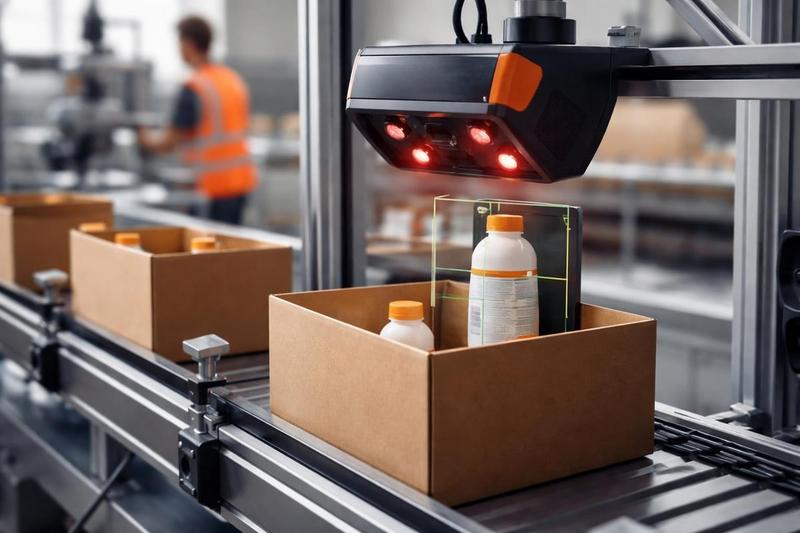
Pharmaceutical operations demand exceptional traceability and quality assurance throughout packaging processes. Automated systems incorporate vision inspection technology that verifies product identification, expiration dates, and packaging integrity at multiple checkpoints. This capability significantly reduces the risk of errors that could compromise patient safety or regulatory compliance.
Serialization requirements for pharmaceutical products integrate directly into packaging automation workflows. Cameras capture unique identifiers, software validates data against master records, and label printers apply compliant markings in real-time. The projected growth of the packaging automation solutions market reflects increasing adoption across pharmaceutical and healthcare sectors seeking to enhance operational efficiency while maintaining rigorous quality standards.
Evaluating Return on Investment
Labor Cost Reduction and Reallocation
Labor represents one of the largest operational expenses in warehouse environments. Packaging automation solutions reduce dependence on manual labor for repetitive tasks, allowing businesses to reallocate human resources to higher-value activities requiring judgment and problem-solving skills.
The calculation extends beyond simple headcount reduction. Automated systems eliminate overtime costs during peak periods and reduce recruitment expenses associated with high turnover in manual packaging roles. Workers transition from physically demanding repetitive tasks to equipment monitoring and quality oversight positions, improving job satisfaction and retention rates.
Throughput and Accuracy Improvements
Automated packaging systems typically achieve throughput rates 3-5 times higher than manual operations while maintaining accuracy levels above 99.5%. This combination directly impacts revenue potential by enabling businesses to process more orders with fewer errors that generate returns and customer service contacts.
Consider a distribution center processing 5,000 orders daily with a 2% error rate in manual packaging. That translates to 100 incorrect shipments requiring investigation, replacement processing, and customer communication. Reducing errors to 0.5% through automation cuts problem orders to just 25, saving substantial resources in remediation costs and protecting brand reputation.
Material Optimization and Sustainability
Modern packaging automation solutions incorporate algorithms that select optimal box sizes and minimize void fill requirements. This intelligence reduces material consumption by 15-30% compared to manual processes where workers default to larger boxes for simplicity.
For small to medium-sized businesses looking to begin their automation journey without substantial capital investment, solutions like the Automate-X GTP Starter Grid provide accessible entry points. This goods-to-person system helps warehouses automate picking processes efficiently, creating a foundation for expanded automation including packaging systems as operations scale.
Implementation Considerations and Best Practices
Assessing Operational Readiness
Successful packaging automation implementation begins with thorough assessment of current workflows and future requirements. Businesses should analyze order profiles to understand product mix, packaging variety, and volume patterns across different time periods.
Data collection proves essential for accurate system specification. Track metrics including:
- Daily/weekly/seasonal order volumes across product categories
- Package size distribution and dimensional characteristics
- Current packaging labor hours and associated costs
- Error rates in manual packaging operations
- Material consumption by package type
- Space constraints and layout limitations
This foundation enables informed decisions about which packaging automation solutions align with operational realities and growth projections.
Space Planning and Infrastructure Requirements
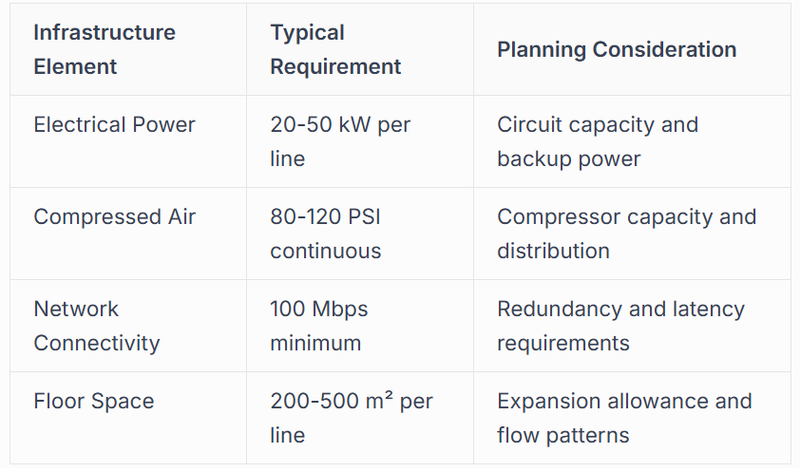
Packaging automation equipment requires careful spatial planning to maximize efficiency without compromising warehouse flow. Systems need adequate clearance for maintenance access, material replenishment, and potential future expansion.
Infrastructure considerations include electrical capacity for powering equipment, compressed air systems for pneumatic components, and network connectivity for software integration. Many facilities underestimate the importance of robust network infrastructure, which proves critical for real-time monitoring and performance optimization.
Change Management and Training
The human element often determines success or failure in automation projects. Comprehensive training programs ensure operators understand equipment capabilities, troubleshooting procedures, and safety protocols. Initial training should extend beyond basic operation to include preventive maintenance tasks that keep systems running optimally.
Communication about automation implementation helps address workforce concerns about job security. Transparent discussion about role evolution and retraining opportunities builds buy-in and reduces resistance to change. According to comprehensive market analysis, successful automation adoption correlates strongly with organizations that invest in workforce development alongside technology deployment.
Integration Strategies for Existing Operations
Phased Implementation Approaches
Rather than attempting wholesale transformation, many businesses achieve better results through phased implementation that gradually introduces automation while maintaining operational continuity. This approach allows teams to develop expertise incrementally and refine processes before expanding automation scope.
A typical phased approach might progress as follows:
- Automate highest-volume product lines with consistent packaging requirements
- Integrate automated case erecting to eliminate manual box assembly
- Add robotic product insertion for standard item configurations
- Implement automated labeling with verification systems
- Expand to automated palletizing and stretch wrapping
- Deploy advanced picking integration connecting upstream processes
Each phase delivers measurable benefits while building organizational capability for subsequent stages. This methodology reduces risk and allows for budget allocation across multiple fiscal periods.
Legacy System Compatibility
Existing warehouse management systems and enterprise software platforms must communicate effectively with new packaging automation solutions. Modern equipment typically offers multiple integration options including standard protocols like OPC UA, RESTful APIs, and database connectivity.
Middleware solutions can bridge gaps between legacy systems and contemporary automation equipment when direct integration proves challenging. These platforms translate data formats, manage communication protocols, and provide unified dashboards for monitoring diverse equipment types.
Maintenance and Long-Term Performance Optimization
Preventive Maintenance Frameworks
Packaging automation solutions deliver optimal return on investment when maintained proactively rather than reactively. Structured maintenance programs include daily inspections, weekly cleaning protocols, monthly component checks, and quarterly comprehensive servicing.
Predictive maintenance capabilities embedded in modern equipment monitor performance indicators that signal developing issues before failures occur. Vibration sensors detect bearing wear, thermal imaging identifies electrical problems, and cycle counting triggers scheduled part replacements based on actual usage rather than arbitrary time intervals.
Performance Monitoring and Continuous Improvement
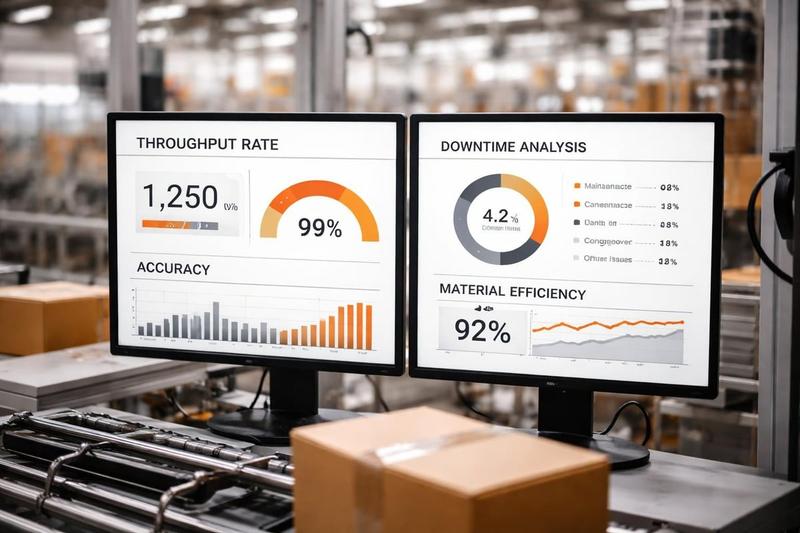
Advanced packaging automation systems generate extensive operational data that reveals optimization opportunities. Tracking metrics like cycle times, downtime events, material consumption, and quality defects identifies patterns that inform process refinements.
Regular review of performance data should trigger systematic improvement initiatives. When throughput falls below baseline levels, investigation might reveal operator technique variations, material quality issues, or equipment calibration drift. Addressing root causes rather than symptoms builds sustainable performance gains.
The growth catalysts in the packaging automation solutions industry increasingly include sophisticated analytics platforms that benchmark performance across similar operations and recommend specific optimization strategies based on comparative data.
Scalability and Future-Proofing Investments
Modular System Design
Forward-thinking businesses select packaging automation solutions with modular architectures that accommodate growth and changing requirements. Modular designs allow capacity increases through additional workstations rather than complete system replacement.
This flexibility proves particularly valuable for businesses experiencing growth or diversifying product portfolios. Adding a second robotic arm, integrating additional conveyor lines, or expanding buffer capacity extends system capabilities without disrupting existing operations or requiring substantial capital redeployment.
Emerging Technologies and Market Trends
The packaging automation landscape continues evolving with emerging technologies that enhance capabilities and expand application possibilities. Artificial intelligence applications now optimize packaging material selection in real-time based on product characteristics, destination requirements, and cost considerations.
Collaborative robots with advanced safety features enable closer human-machine interaction, allowing operators to intervene easily for exception handling while automation manages routine tasks. Cloud-based control systems facilitate remote monitoring and management, enabling centralized oversight of packaging operations across multiple facilities.
Sustainability considerations increasingly influence packaging automation selection. Equipment that minimizes material waste, accommodates recyclable packaging materials, and reduces energy consumption aligns with corporate environmental commitments and regulatory requirements. Systems designed for easy material changeover support transitions to sustainable packaging alternatives as they become commercially viable.
Vision system improvements continue enhancing quality control capabilities. Three-dimensional imaging verifies package integrity more thoroughly than traditional two-dimensional inspection, identifying seal quality issues and product positioning problems that could cause transit damage.
Packaging automation solutions represent a critical investment for warehouse operations seeking to meet modern logistics demands while controlling costs and maintaining quality standards. The combination of robotics, intelligent software, and integrated machinery transforms packaging from a labor-intensive bottleneck into a streamlined, scalable process that adapts to changing business requirements. Whether you operate an e-commerce fulfillment center, food distribution facility, or pharmaceutical warehouse, Automate-X delivers tailored automation solutions that align with your operational goals. Our team combines warehouse automation expertise with practical implementation experience to design, integrate, and support systems that drive measurable performance improvements across your logistics operations.