

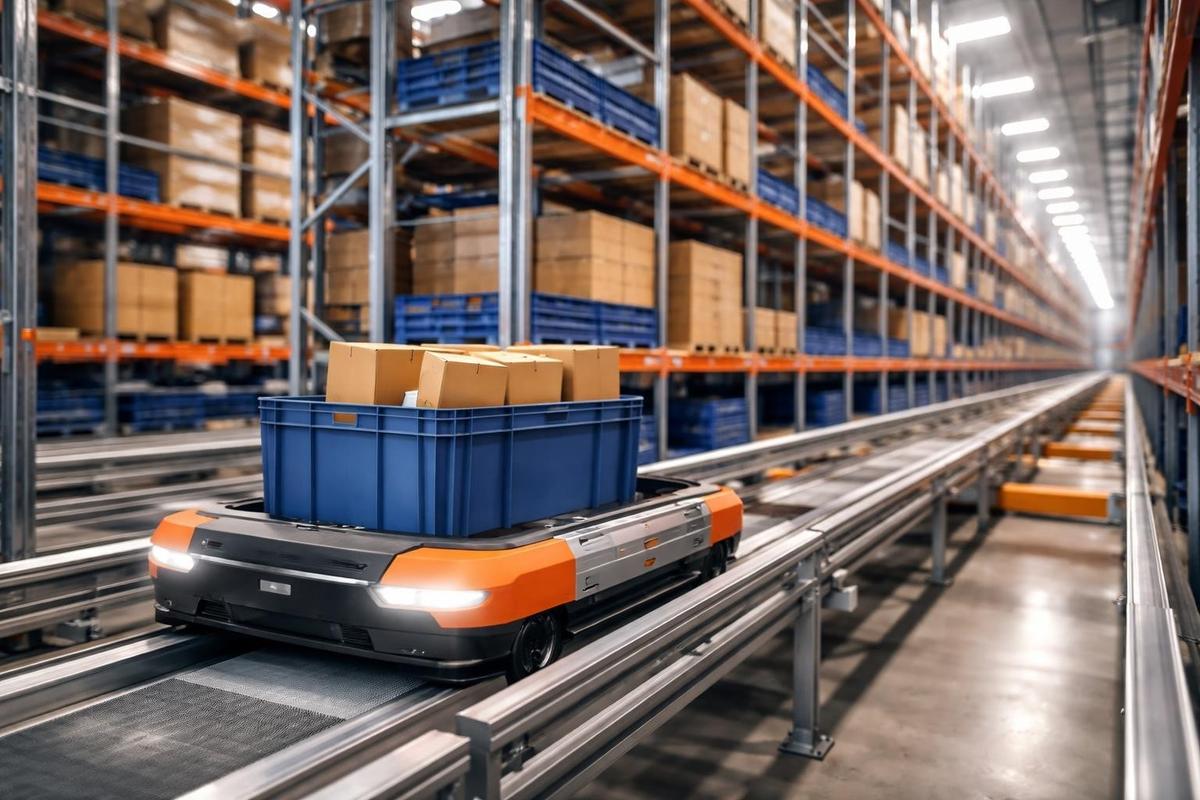
Shuttle Storage System: Maximising Warehouse Efficiency
Share on
Modern warehouses face unprecedented pressure to store more inventory in less space while accelerating order fulfilment speeds. Traditional storage methods struggle to meet these dual demands, creating operational bottlenecks that limit growth and profitability. A shuttle storage system addresses these challenges by combining high-density racking with intelligent automation, transforming how businesses store and retrieve products across distribution and fulfilment operations. This technology has become essential for logistics providers, e-commerce operations, and manufacturers seeking competitive advantages through warehouse efficiency.
Understanding Shuttle Storage System Architecture
A shuttle storage system consists of automated vehicles that operate on rails within dedicated racking structures, moving pallets or containers horizontally across storage levels. Unlike conventional forklifts that require wide aisles and manual operation, these automated shuttles work in compact lanes, maximising cubic space utilisation while maintaining rapid access to inventory.
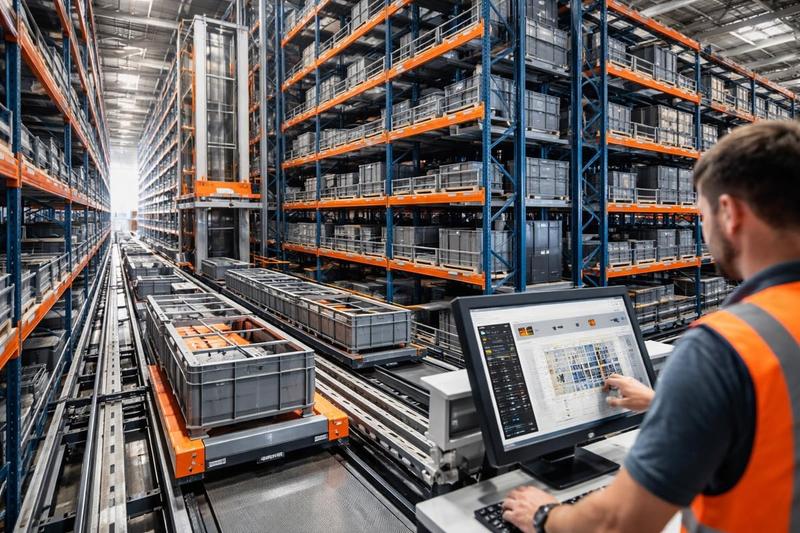
The fundamental components include the shuttle vehicles themselves, multi-level racking frameworks, vertical lifts or conveyors, and control software that orchestrates movement patterns. Each shuttle operates independently within its designated level, receiving commands from the warehouse management system to store or retrieve specific items based on real-time demand.
System Configuration Options
Modern shuttle systems offer various configurations to suit different operational requirements:
- Single-deep systems: Shuttles access products from one side, ideal for operations with moderate SKU counts and consistent throughput demands
- Multi-deep configurations: Products stored multiple positions deep, maximising density for slow-moving inventory
- Four-way shuttle systems: Vehicles move in all directions, enabling flexible routing and reduced transfer times
- Temperature-controlled variants: Specialised shuttles designed for cold storage and pharmaceutical applications
The choice between configurations depends on inventory characteristics, throughput requirements, and available facility space. Operations handling fast-moving consumer goods typically prioritise accessibility and speed, while spare parts distribution may emphasise maximum density with acceptable retrieval times.
Operational Advantages Driving Adoption
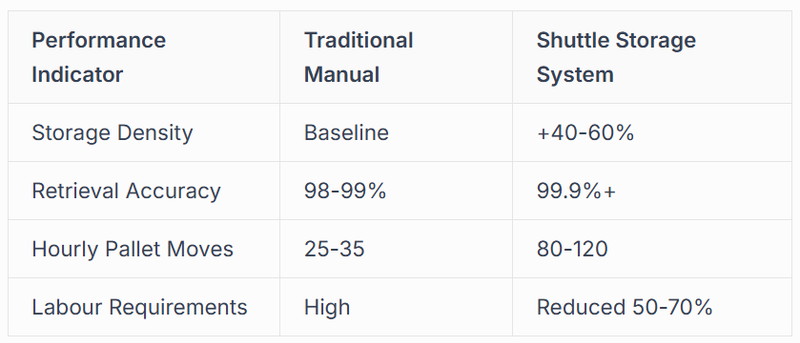
Implementing a shuttle storage system delivers quantifiable improvements across multiple performance dimensions. Space utilisation increases by 30-60% compared to conventional pallet racking, as narrow aisle widths and vertical stacking eliminate wasted floor area. This density improvement proves particularly valuable in urban facilities where property costs significantly impact operating margins.
Labour productivity gains represent another compelling benefit. Automated shuttles operate continuously without fatigue, eliminating walking time and reducing picking errors associated with manual processes. Personnel shift from physically retrieving products to managing exceptions and value-added tasks, improving both throughput and job satisfaction.
Throughput and Accuracy Metrics
Energy efficiency improves substantially through regenerative braking systems and optimised travel paths. Modern shuttles consume considerably less power than forklift fleets while generating minimal heat, reducing cooling costs in temperature-controlled environments.
Integration With Warehouse Management Systems
The true power of a shuttle storage system emerges through seamless integration with warehouse management platforms. This connectivity enables intelligent storage allocation, where the system automatically determines optimal product placement based on velocity, order patterns, and dimensional characteristics.
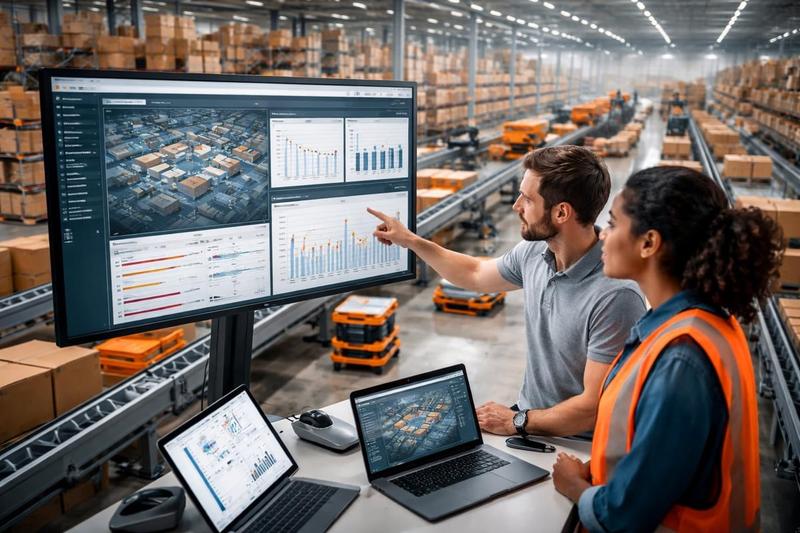
Real-time inventory visibility eliminates discrepancies between physical stock and system records. As shuttles complete storage and retrieval tasks, the warehouse management system updates immediately, providing accurate data for customer promises and replenishment planning. This precision proves essential for e-commerce operations where inventory accuracy directly impacts customer satisfaction and return rates.
For businesses exploring automation, goods-to-person systems represent a natural complement to shuttle storage technology, creating comprehensive picking solutions that maximise efficiency.
Advanced Control Algorithms
Sophisticated software optimises shuttle performance through predictive algorithms that anticipate demand patterns. The system learns from historical data, pre-positioning frequently ordered products near retrieval points during peak periods. This intelligence reduces average cycle times and enables higher throughput without additional hardware investment.
Task interleaving further enhances productivity by combining storage and retrieval movements. Rather than returning empty after depositing a pallet, shuttles retrieve items positioned along their return path, effectively doubling productive moves per trip.
Industry-Specific Applications
Different sectors leverage shuttle storage technology to address unique operational challenges. Third-party logistics providers utilise multi-client configurations that maintain inventory segregation while sharing infrastructure across customers. This flexibility enables efficient space utilisation even as client mix and volumes fluctuate seasonally.
Pharmaceutical and healthcare distributors benefit from temperature-controlled shuttle systems that maintain product integrity while meeting strict traceability requirements. The automated environment reduces contamination risks and provides comprehensive audit trails for regulatory compliance.
FMCG and Food & Beverage Considerations
Fast-moving consumer goods operations require rapid throughput alongside strict first-in-first-out rotation. High-density shuttle systems excel in these environments by combining storage capacity with intelligent rotation algorithms that ensure product freshness.
Cold storage applications particularly benefit from automation, as shuttles operate reliably in sub-zero temperatures that challenge human workers and conventional equipment. Energy savings compound through reduced door openings and minimised warm air infiltration, lowering operating costs while improving food safety.
Manufacturing facilities increasingly deploy shuttle systems for raw material storage and finished goods warehousing. The compact footprint proves valuable in production environments where floor space commands premium value. Just-in-time material delivery integrates smoothly with production schedules, reducing work-in-process inventory and associated carrying costs.
Implementation Planning and Considerations
Successful shuttle storage system deployment requires thorough analysis of current operations and future requirements. Space assessment examines building characteristics including floor loading capacity, ceiling height, and structural considerations for multi-level installations. Existing facilities may require reinforcement to support racking loads and dynamic forces from shuttle movements.
Throughput modelling predicts system performance under various scenarios, ensuring the configuration meets peak demand without over-investment in capacity. This analysis considers order profiles, SKU velocity distribution, and seasonal variations to size the system appropriately.
Critical Success Factors
Investment justification extends beyond equipment costs to include installation, integration, training, and ongoing maintenance. Total cost of ownership calculations should account for:
- Capital expenditure: Equipment, installation, and building modifications
- Integration costs: Software development and system connectivity
- Operational savings: Labour reduction, space efficiency, and error elimination
- Maintenance requirements: Preventive maintenance schedules and spare parts inventory
- Energy consumption: Power requirements and ongoing utility costs
Change management prepares personnel for new workflows and responsibilities. The transition from manual to automated operations requires comprehensive training and clear communication about role evolution. Successful implementations engage warehouse teams early, incorporating their operational expertise into system design.
The Automate-X GTP Starter Grid provides an accessible entry point for small and medium businesses ready to begin their automation journey with scalable technology that grows alongside operational demands.
Technical Specifications and Performance
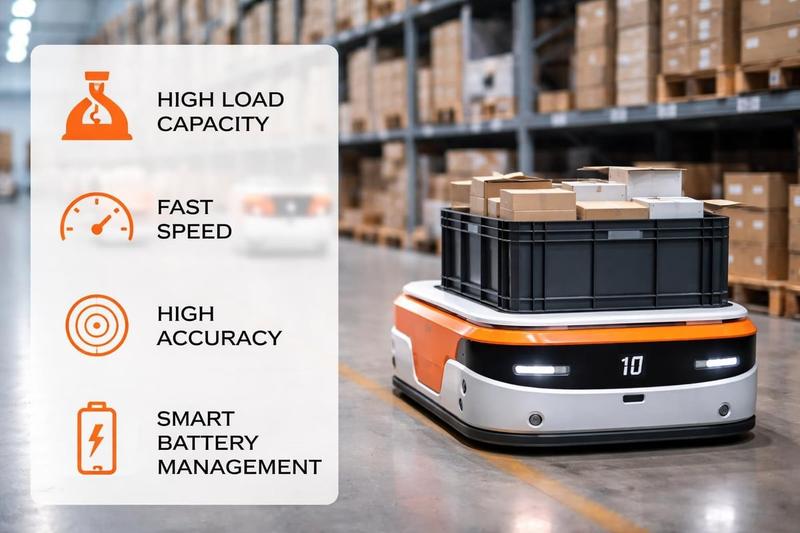
Modern shuttle vehicles demonstrate impressive technical capabilities that enable reliable operation across demanding applications. Load capacities typically range from 50 to 1,500 kilograms, accommodating everything from small cartons to heavy industrial pallets. Travel speeds reach 4 metres per second horizontally, with positioning accuracy within 2-3 millimetres ensuring precise placement in high-density configurations.
Battery technology has evolved significantly, with lithium-ion systems offering opportunity charging during idle periods. This eliminates battery swapping requirements and ensures continuous operation during extended shifts. Advanced shuttles feature onboard diagnostics that monitor component health, predicting maintenance requirements before failures impact operations.
Safety and Reliability Features
Automated systems incorporate multiple safety mechanisms protecting both personnel and inventory. Collision avoidance sensors detect obstructions, stopping shuttles before contact occurs. Emergency stop capabilities enable immediate shutdown when necessary, while redundant control systems ensure safe operation even during component failures.
Quality construction materials withstand the constant movement and loading cycles inherent to warehouse operations. Sealed bearings and protected electronics resist dust and moisture exposure, maintaining performance in challenging environments. Research on shuttle system optimisation continues advancing efficiency through improved scheduling algorithms and operational strategies.
Scalability and Future Expansion
One of the shuttle storage system's most valuable attributes involves its inherent scalability. Initial installations can start with a single aisle and expand horizontally or vertically as business volumes grow. This modularity reduces initial investment barriers while providing clear expansion paths that protect long-term value.
Capacity increases don't require wholesale system replacement, unlike many automation technologies. Additional shuttles, extra racking levels, or supplementary aisles integrate seamlessly with existing infrastructure. The control software scales accordingly, managing increased complexity without performance degradation.
Technology Evolution and Upgrades
The separation between hardware and software components enables ongoing improvements through firmware updates and algorithm enhancements. Systems deployed today benefit from continuous optimisation as manufacturers refine control logic based on aggregate performance data across installations.
Artificial intelligence and machine learning represent the next frontier in shuttle system capability. These technologies will further optimise storage allocation, predict maintenance requirements more accurately, and adapt automatically to changing operational patterns without human intervention.
For comprehensive automation strategies, industrial system integration ensures shuttle storage works harmoniously with conveyors, sortation equipment, and picking technologies throughout the facility.
Maintenance and Operational Support
Preventive maintenance programmes sustain system performance and maximise equipment lifespan. Regular inspections address wear components before failures occur, while predictive monitoring identifies developing issues through vibration analysis and performance trending. This proactive approach minimises unplanned downtime that disrupts operations and impacts customer service.
Maintenance accessibility varies by system design. Modern shuttle configurations incorporate service aisles and dedicated maintenance positions that enable technician access without production interruption. Remote diagnostics allow support teams to identify issues and often resolve them without site visits, reducing response times and associated costs.
Spare parts strategy balances inventory investment against downtime risk. Critical components warrant on-site storage, while less essential parts may be maintained at regional service centres with express delivery protocols. Manufacturer support agreements define response times, parts availability, and technical assistance levels that align with operational criticality.
Comparative Analysis With Alternative Technologies
Warehouse automation encompasses various technologies beyond shuttle systems, each offering distinct advantages for specific applications. Automated storage and retrieval systems (AS/RS) using cranes provide excellent height utilisation but typically require larger initial investments and dedicated building designs.
Autonomous mobile robots offer flexibility and lower entry costs but generally achieve lower throughput than shuttle systems in high-volume operations. The choice depends on operational requirements, existing infrastructure, and investment capacity.
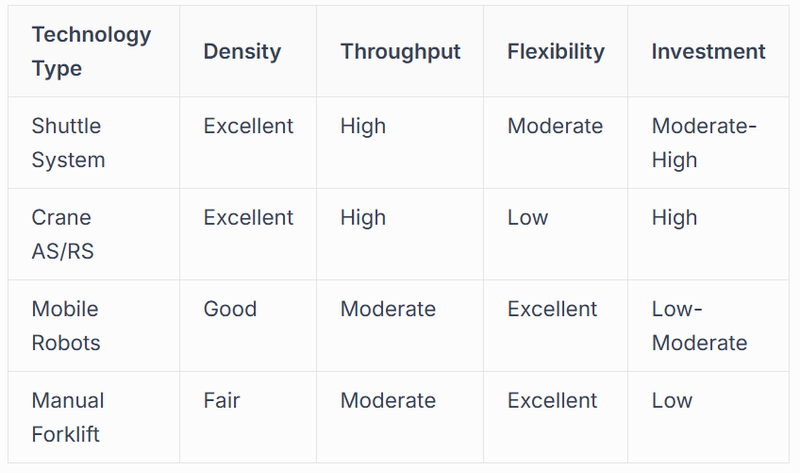
Semi-automated shuttle approaches provide intermediate solutions for operations not ready for full automation. These systems combine automated storage with manual interaction points, reducing costs while improving density and accuracy over conventional methods.
Environmental and Sustainability Benefits
Warehouse automation increasingly factors environmental considerations into technology selection. A shuttle storage system contributes to sustainability goals through multiple mechanisms beyond basic energy efficiency. Reduced building footprints require less construction material and minimise land use, lowering environmental impact per unit of storage capacity.
Improved inventory accuracy reduces waste from expired products and shipping errors. Precise rotation management ensures older stock moves first, particularly important for food, beverage, and pharmaceutical applications where product shelf life directly impacts waste generation.
Climate control efficiency improves dramatically in automated facilities. Smaller building volumes require less heating and cooling energy, while sealed environments prevent temperature loss. Cold storage operations particularly benefit, as reduced human presence enables lower temperature setpoints without worker comfort concerns.
Advanced shuttle technologies increasingly incorporate recyclable materials and design-for-disassembly principles that facilitate component reuse at end-of-life. This circular economy approach aligns with corporate sustainability commitments while potentially reducing total ownership costs.
Risk Mitigation and Business Continuity
Automated systems introduce different risk profiles compared to manual operations. Equipment failure can halt substantial portions of warehouse activity, making redundancy and contingency planning essential. Multi-shuttle configurations inherently provide redundancy, as remaining units continue operating if one requires service.
Dual-aisle designs enable continued operation even during maintenance activities or equipment issues affecting a single aisle. Buffer zones and temporary storage areas accommodate production during system downtime, ensuring customer commitments remain achievable despite technical challenges.
Cybersecurity represents an emerging consideration for connected automation systems. Comprehensive warehouse storage systems require network security protocols, access controls, and regular security assessments to protect against unauthorised access and operational disruption.
Business continuity planning should document manual fallback procedures for extended outages. While full manual operation may prove impractical in highly automated facilities, procedures for handling critical orders and time-sensitive shipments maintain minimum service levels during recovery periods.
Shuttle storage systems deliver transformative benefits for warehouses seeking density, accuracy, and throughput improvements through intelligent automation. The technology's scalability and proven performance across diverse industries make it a strategic investment for operations facing space constraints and growing volume demands. Automate-X combines cutting-edge robotics, warehouse software, and system integration expertise to design and implement shuttle storage solutions tailored to your specific operational requirements. Contact us today to explore how automated storage technology can streamline your warehouse operations and enable sustainable growth.