

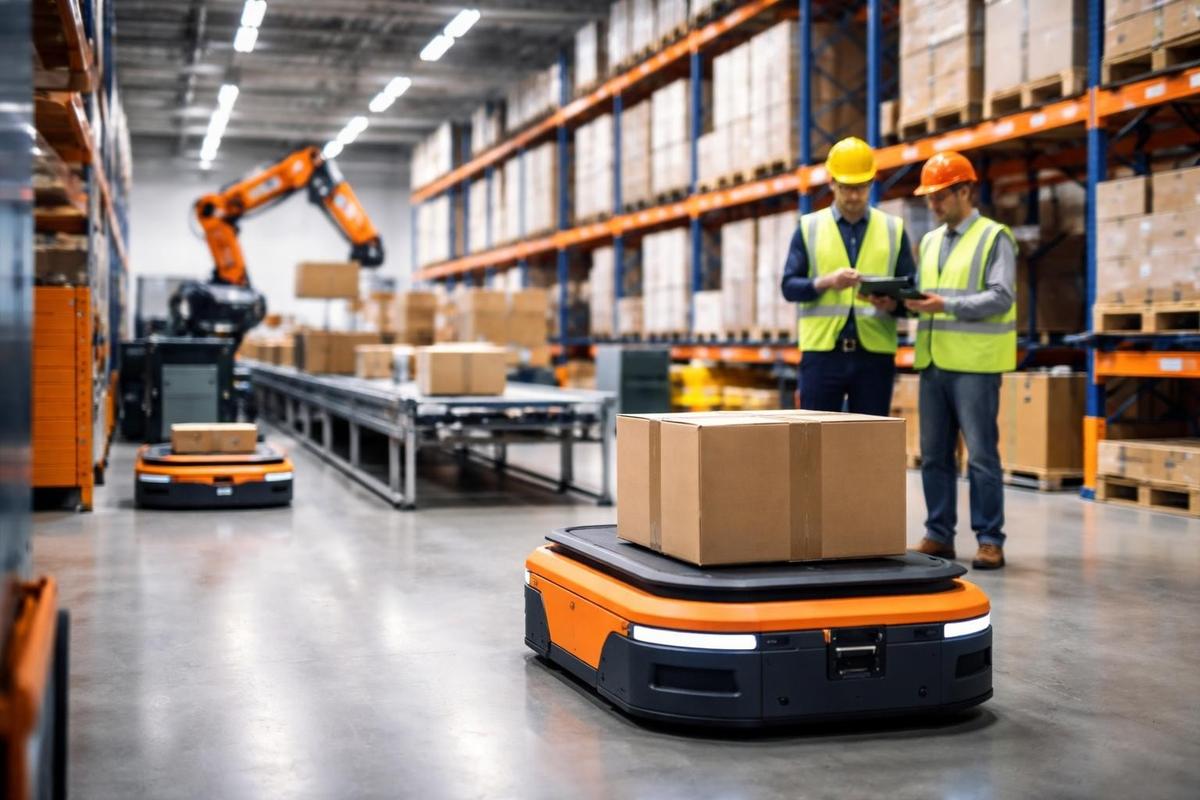
Speed Automation: Transforming Warehouse Operations in 2026
Share on
Speed automation has become a defining competitive advantage for warehouses and distribution centres across New Zealand and Australia. As customer expectations for rapid delivery continue to escalate, businesses face mounting pressure to accelerate every aspect of their operations whilst maintaining accuracy and cost-effectiveness. The integration of intelligent automation technologies enables logistics providers to achieve throughput levels previously considered impossible, transforming manual processes into high-velocity automated workflows that meet the demands of modern supply chains.
Understanding Speed Automation in Warehouse Environments
Speed automation represents more than simply making existing processes faster. It encompasses a holistic approach to redesigning warehouse operations around velocity, precision, and scalability. This methodology combines advanced robotics, sophisticated warehouse management software, and optimised facility layouts to eliminate bottlenecks and accelerate material flow throughout the entire fulfillment cycle.
The fundamental principle behind speed automation focuses on reducing cycle times at every operational touchpoint. From receiving and putaway to picking, packing, and dispatch, each process becomes streamlined through strategic automation deployment. Modern warehouse automation technologies leverage artificial intelligence and machine learning to continuously optimise these workflows, adapting to changing demand patterns and operational constraints in real-time.
Key Components Driving Velocity
Several technological elements work in concert to deliver speed automation benefits:
- Autonomous mobile robots (AMRs) that navigate dynamically and reduce travel time
- Goods-to-person systems that eliminate picker walking entirely
- High-speed sortation equipment processing thousands of units hourly
- Vision systems enabling instantaneous barcode reading and quality verification
- Predictive analytics optimising task allocation and resource deployment
- Real-time inventory tracking eliminating search time and errors
These components integrate through warehouse control systems that orchestrate activities across multiple automation technologies simultaneously. The result is a synchronized operation where materials move continuously through the facility at optimal speeds, with minimal idle time between process steps.
Measuring Speed Automation Performance
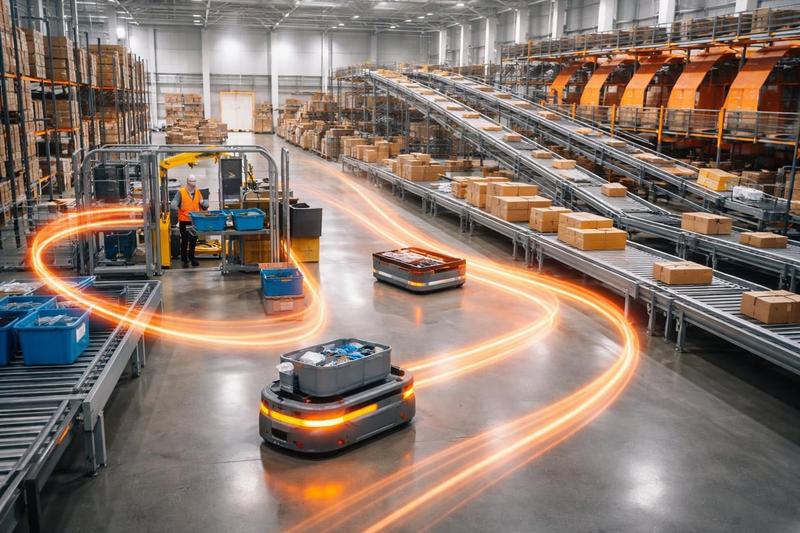
Quantifying speed automation success requires tracking metrics that capture both velocity improvements and operational quality. Traditional throughput measurements remain important, but modern warehouses monitor a broader range of key performance indicators that reflect the true impact of automation investments.
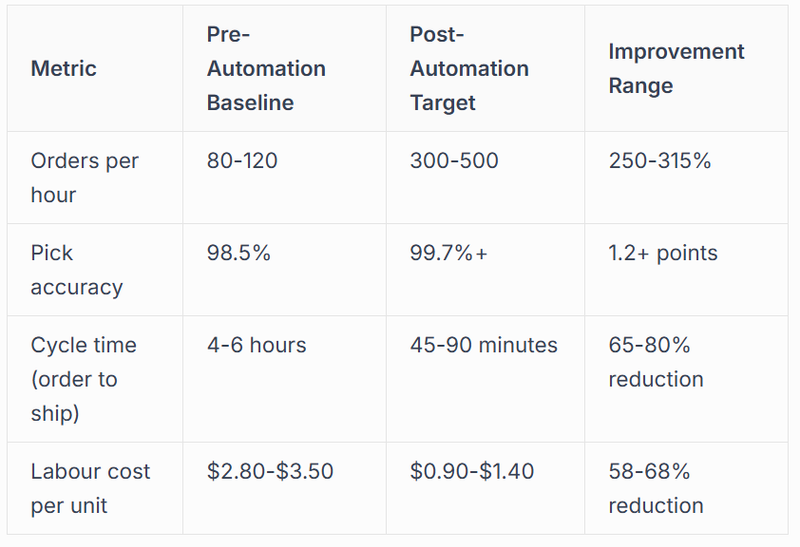
Beyond these standard measurements, forward-thinking operations track system uptime, error recovery time, and throughput consistency across varying order profiles. These metrics reveal whether speed automation delivers sustained performance under real-world conditions rather than just peak theoretical capacity.
The automation of logistics has introduced new benchmarking approaches that emphasise adaptability alongside raw speed. A truly effective speed automation system maintains high velocity whilst accommodating SKU proliferation, seasonal demand spikes, and mixed-case handling requirements without performance degradation.
Strategic Implementation Approaches
Deploying speed automation successfully demands careful planning and phased implementation strategies. Warehouse operations cannot simply halt whilst new systems install, requiring approaches that maintain continuity throughout the transformation process.
Modular Deployment Strategy
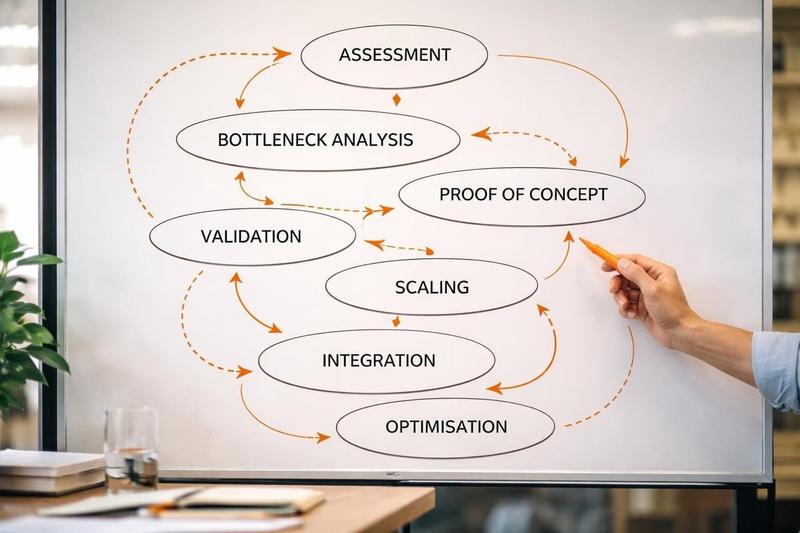
- Assessment and baseline establishment across all warehouse processes
- Bottleneck identification using process mapping and time studies
- Proof of concept installation in constrained operational zone
- Performance validation against predetermined success criteria
- Incremental scaling across additional warehouse areas
- System integration connecting discrete automation islands
- Optimisation and fine-tuning based on operational data
This staged approach minimises disruption whilst building organisational confidence in the technology. Many operations begin with semi-automated solutions that combine manual and automated processes, gradually increasing automation density as proficiency develops. Semi-automation offers a valuable transition pathway for businesses new to advanced warehouse technologies.
Technology Selection for Maximum Velocity
Choosing the right automation technologies determines whether speed automation initiatives deliver promised results. Not all solutions suit every operational profile, and matching technology capabilities to specific warehouse requirements proves essential for success.
Goods-to-Person vs Traditional Picking
Speed automation often centres on transforming the picking process, which typically consumes 55-65% of warehouse labour hours. Goods-to-person (GTP) systems represent one of the most impactful speed automation technologies, bringing inventory directly to stationary pickers rather than requiring workers to travel throughout the facility.
For businesses exploring this approach, the Automate-X GTP Starter Grid provides an accessible entry point for small and medium operations. This solution offers a low-cost pathway to automate picking processes without requiring massive upfront capital investment, making speed automation achievable for growing businesses across New Zealand and Australia.
Traditional picking methods require workers to walk 15-20 kilometres per shift in many warehouses. GTP systems eliminate this travel time entirely, enabling pick rates of 200-400 lines per hour compared to 60-100 lines hourly in manual operations. The velocity improvement comes not just from faster movement, but from continuous productive activity without non-value-added travel time.
AGV and AMR Technologies
Automated guided vehicle systems have evolved dramatically, with modern AMRs offering dynamic navigation and intelligent task allocation that earlier fixed-path AGVs could not provide. These mobile robots accelerate material transport throughout facilities whilst adapting to changing floor layouts and operational priorities.
Speed considerations extend beyond robot travel velocity. The most effective implementations focus on system throughput rather than individual robot speed, optimising fleet size, task allocation algorithms, and charging strategies to maintain continuous material flow. Some operations achieve higher overall velocity with slower-moving robots in larger fleets than with fewer high-speed units that create congestion at process handoff points.
Balancing Speed with Control and Accuracy
An often-overlooked aspect of speed automation involves maintaining operational control whilst accelerating throughput. As research on automation and control demonstrates, pure velocity without accuracy and consistency creates costly problems that negate efficiency gains.
Modern warehouse automation achieves this balance through multiple validation checkpoints integrated into high-speed workflows:
- Weight verification at packing stations catching discrepancies in milliseconds
- Vision systems confirming correct items at pick points without slowing throughput
- Real-time inventory reconciliation preventing stockouts and overallocation
- Automated quality gates rejecting defective items from material flow
- Exception handling protocols maintaining speed for conforming orders whilst diverting problems
These control mechanisms operate at speeds matching automated processes, ensuring verification happens inline rather than as separate quality control steps. The integration of quality assurance into velocity-focused workflows represents a hallmark of mature speed automation implementations.
Data Infrastructure Requirements
Speed automation generates massive data volumes requiring robust infrastructure to capture, process, and act upon information in real-time. Warehouse management systems must handle transaction rates orders of magnitude higher than manual operations, with sub-second response times essential for maintaining automated system performance.
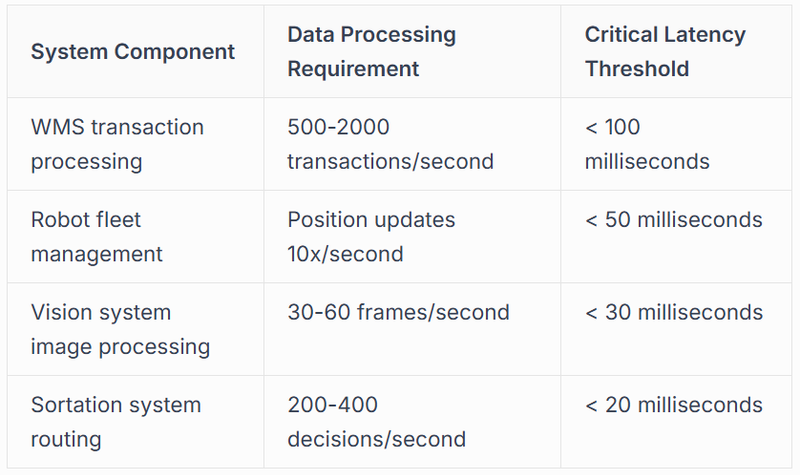
Cloud-based architectures increasingly support these requirements, though edge computing remains essential for time-critical automation control functions. The balance between centralised data analytics and distributed real-time processing determines whether speed automation systems maintain performance under peak operational loads.
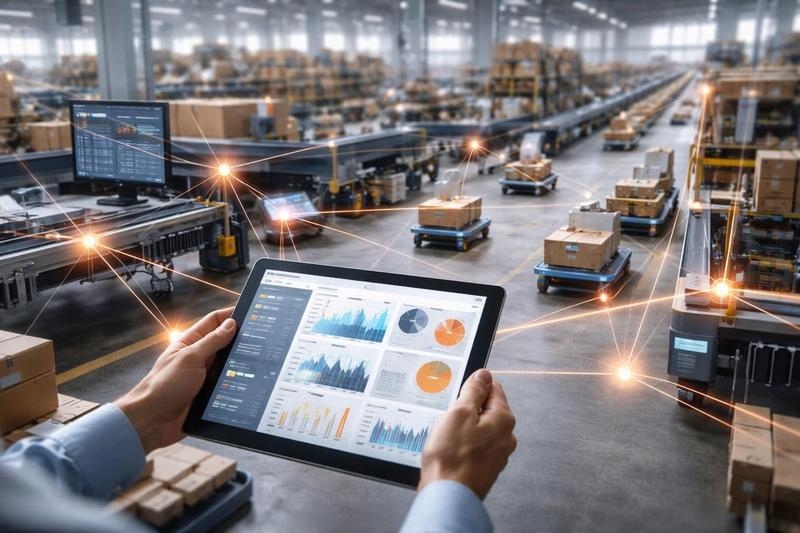
Industry-Specific Speed Automation Applications
Different warehouse sectors face unique velocity challenges requiring tailored speed automation approaches. Understanding these industry-specific requirements ensures technology selections address actual operational constraints rather than generic throughput targets.
E-commerce and 3PL Operations
The e-commerce fulfillment model demands extreme speed automation to support same-day and next-day delivery commitments. These operations handle high order volumes with small line counts per order, making pick density and rapid order consolidation critical success factors. Automated sortation systems process mixed SKU orders at speeds exceeding 10,000 units hourly, with sophisticated routing algorithms ensuring accurate order completion whilst maintaining maximum throughput.
Third-party logistics providers serving multiple clients face additional complexity, requiring speed automation systems that accommodate varied product profiles and handling requirements within shared infrastructure. Flexibility becomes as important as raw speed, with systems needing to switch rapidly between different operational modes without throughput degradation.
FMCG and Food & Beverage
Fast-moving consumer goods operations prioritise case handling velocity, with many facilities processing pallet-layer picks at high volumes. Speed automation in these environments focuses on automated palletising, high-speed conveyance, and rapid load building that maintains product stability whilst maximising throughput. Temperature-controlled environments add complexity, with automation equipment requiring specialisation for reliable performance in cold storage conditions.
Successful implementations like the DHL automated warehouse in Auckland demonstrate how modern facilities integrate multiple automation technologies to achieve exceptional velocity whilst handling diverse product characteristics across frozen, chilled, and ambient temperature zones.
Pharmaceutical and Healthcare
Pharmaceutical warehousing demands speed automation approaches that prioritise accuracy and compliance alongside velocity. Serialisation requirements, lot tracking, expiry date management, and stringent quality controls cannot slow automated processes, requiring sophisticated software integration that validates compliance criteria without impacting throughput rates.
These operations often implement zone-based automation strategies, applying high-speed automated systems to fast-moving standard products whilst maintaining controlled manual processes for specialised items requiring additional handling protocols. The hybrid approach balances overall facility velocity with risk management requirements unique to regulated industries.
Workforce Transformation and Speed Automation
Implementing speed automation fundamentally changes workforce requirements, shifting labour from manual material handling to technology operation, monitoring, and exception management. This transformation requires proactive change management and training programmes that prepare teams for evolving operational models.
Modern automated warehouses employ fewer workers overall but require higher skill levels focused on:
- System monitoring and performance optimisation
- Exception handling and problem resolution
- Preventive maintenance and basic troubleshooting
- Quality assurance and process compliance
- Continuous improvement and data analysis
Many organisations partner with specialised support providers to handle customer service functions whilst internal teams concentrate on operational excellence within automated facilities. This strategic division enables warehouses to maintain speed automation focus without dilution from non-core activities.
The transition period presents challenges as legacy processes coexist with new automated workflows. Clear communication about role evolution, comprehensive training programmes, and involvement of frontline workers in automation design decisions all contribute to successful workforce transformation that supports rather than undermines speed automation objectives.
Integration Complexity and System Orchestration
Speed automation achieves maximum impact when multiple technologies operate as an integrated system rather than discrete automation islands. This integration complexity represents one of the most significant implementation challenges, requiring careful attention to data standards, communication protocols, and system orchestration.
Warehouse control systems serve as the central nervous system coordinating activities across:
- Automated storage and retrieval systems (AS/RS)
- Conveyor networks and sortation equipment
- Robotic picking and packing cells
- Mobile robot fleets
- Vision and sensing systems
- Palletising and stretch wrapping equipment
These diverse technologies often come from different vendors with varying communication standards and control methodologies. Achieving seamless integration requires standardised interfaces, robust middleware, and comprehensive testing that validates system behaviour under all operational scenarios. The industrial robotics expertise required for successful integration extends beyond individual technology knowledge to encompass whole-system orchestration capabilities.
Factors Affecting Automation Speed
Understanding the technical parameters influencing automation velocity helps optimise system performance. As detailed analysis of actuator speed factors reveals, multiple variables interact to determine actual throughput rates in automated equipment.
For material handling systems, considerations include:
- Acceleration and deceleration rates balancing speed with load stability
- Path optimisation minimising travel distance and congestion
- Buffering capacity preventing downstream bottlenecks
- Changeover time between different product types or order profiles
- System synchronisation ensuring coordinated activity across interconnected processes
Optimising these parameters requires both initial design excellence and ongoing performance tuning based on operational data. The most sophisticated speed automation implementations employ machine learning algorithms that continuously adjust system parameters to maintain optimal velocity under varying conditions.
Cost-Benefit Analysis and ROI Calculations
Speed automation requires substantial capital investment, making rigorous financial analysis essential before commitment. Beyond equipment costs, businesses must account for facility modifications, software integration, training programmes, and transition period productivity impacts.
Investment Components
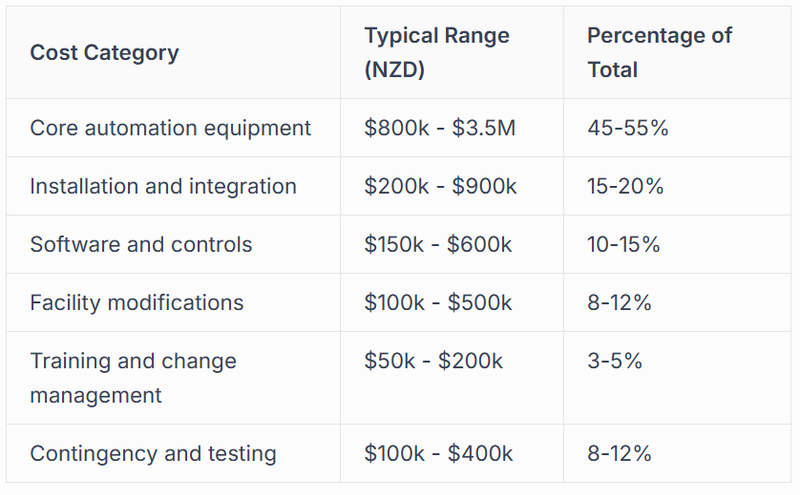
Return on investment calculations must capture both direct savings and strategic benefits. Direct savings include reduced labour costs, decreased error rates, and lower facility space requirements per unit of throughput. Strategic benefits encompass capacity expansion without proportional cost increases, improved service levels supporting revenue growth, and competitive positioning advantages in velocity-sensitive markets.
Most warehouse automation projects target ROI periods of 24-36 months, though specific timeframes vary based on labour costs, throughput volumes, and technology sophistication. Operations experiencing rapid growth or severe labour constraints often achieve faster payback periods as automation provides scalability impossible through workforce expansion alone.
Material Handling Integration
Speed automation extends beyond internal warehouse processes to encompass material handling interfaces with suppliers and carriers. Loading dock automation, automated trailer unloading systems, and integrated yard management create continuous velocity from inbound receipt through outbound departure.
Modern facilities coordinate with transportation partners to optimise dock scheduling, reducing detention time and enabling rapid trailer turnover. Some operations implement cross-docking strategies where high-velocity goods bypass storage entirely, moving directly from receiving to shipping within hours. These approaches require sophisticated coordination between speed automation systems and external logistics networks.
The role of standardised materials like quality pallets becomes more critical in automated environments where dimensional consistency and structural integrity directly impact system performance. Damaged or non-standard pallets create exceptions that slow automated handling, making supplier material standards an often-overlooked component of speed automation success.
Future Developments in Speed Automation
The evolution of warehouse automation continues accelerating, with emerging technologies promising further velocity improvements alongside enhanced flexibility and reduced implementation costs. Artificial intelligence advances enable autonomous optimisation of warehouse layouts, robot task allocation, and inventory positioning strategies that continuously adapt to changing operational patterns.
Collaborative robots working alongside human workers in shared spaces represent another significant development, allowing speed automation deployment in areas previously unsuitable for traditional fixed automation. These cobots combine human adaptability with robotic consistency, enabling hybrid workflows that balance velocity with flexibility requirements.
Sustainability considerations increasingly influence speed automation design, with energy-efficient motors, regenerative braking systems, and optimised routing algorithms reducing the environmental footprint of high-velocity operations. Speed and sustainability no longer represent competing priorities, as modern automation technologies achieve both simultaneously through intelligent design and operational optimisation.
Speed automation has transformed from a competitive advantage to an operational necessity for warehouses serving modern supply chains. The integration of advanced robotics, intelligent software, and optimised processes enables logistics operations to meet escalating customer expectations whilst controlling costs and maintaining accuracy. Whether you're operating a growing e-commerce fulfillment centre, managing a multi-client 3PL facility, or running a specialised cold storage operation, Automate-X delivers intelligent warehouse automation solutions tailored to your specific requirements. Our combination of modern robotics, warehouse software, and system integration expertise helps logistics and supply chain businesses across New Zealand and Australia streamline operations, improve productivity, and achieve scalable growth.