

Warehouse Management Automation: A Complete Guide
Share on
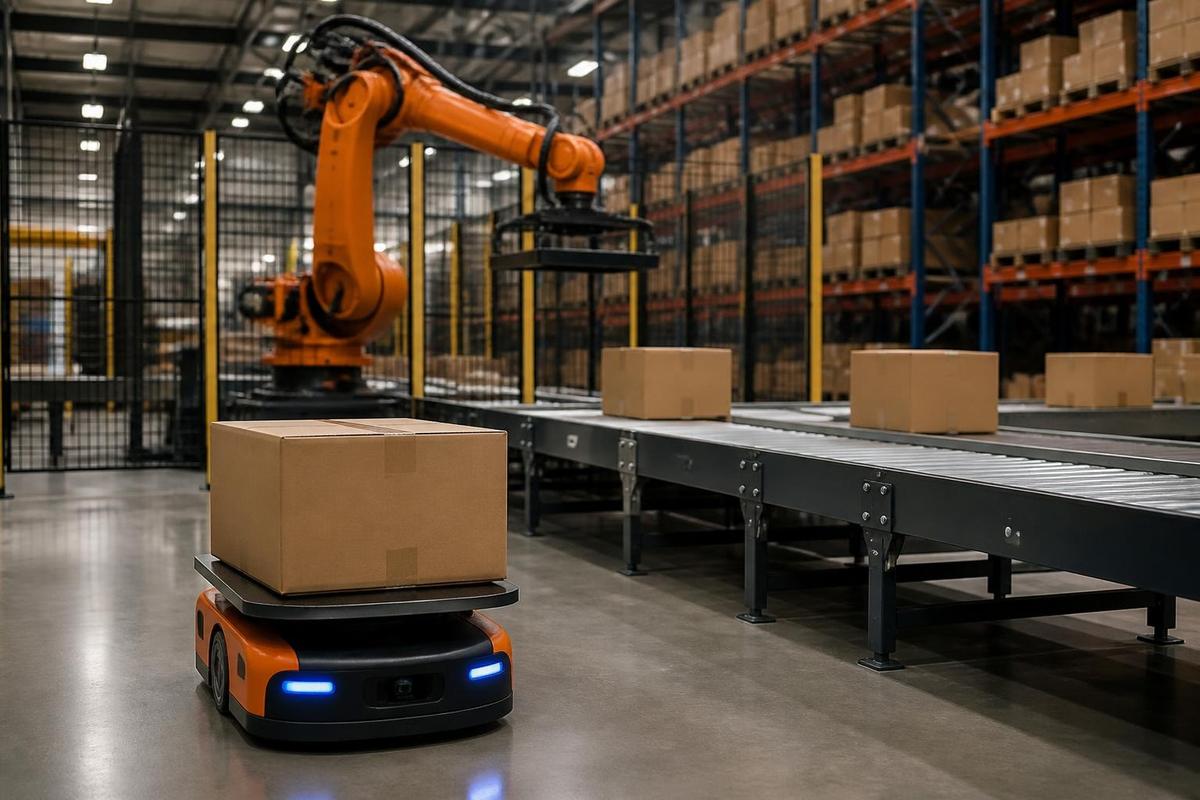
The logistics landscape has undergone a fundamental transformation over the past decade, driven by rising customer expectations, labour shortages, and the relentless pressure to improve operational efficiency. Warehouse management automation has emerged as the critical solution enabling businesses to meet these challenges head-on. By integrating robotics, intelligent software systems, and advanced material handling technologies, modern warehouses can process higher volumes with greater accuracy while simultaneously reducing operational costs. This comprehensive approach to automation addresses every facet of warehouse operations, from receiving and putaway to picking, packing, and dispatch.
Understanding the Foundations of Warehouse Management Automation
Warehouse management automation represents the integration of technology-driven systems to perform tasks traditionally executed by manual labour. This encompasses both physical automation through robotics and material handling equipment, as well as digital automation through sophisticated software platforms that orchestrate warehouse operations.
The core principle behind warehouse management automation involves reducing human intervention in repetitive, time-consuming tasks while simultaneously improving accuracy and throughput. Modern warehouse automation encompasses everything from autonomous mobile robots (AMRs) and automated storage and retrieval systems (AS/RS) to warehouse management systems (WMS) and artificial intelligence-powered optimization engines.
Key Components of Automated Warehouse Systems
Successful warehouse management automation relies on multiple interconnected components working in harmony:
- Warehouse Management Systems (WMS) that provide real-time visibility and control over inventory and operations
- Robotics and autonomous vehicles including AMRs, AGVs, and robotic picking systems
- Automated storage solutions such as vertical lift modules, carousel systems, and AS/RS
- Conveyor and sortation systems that move products efficiently throughout the facility
- Scanning and identification technology including barcode, RFID, and vision systems
- Integration middleware that connects various systems and enables data flow
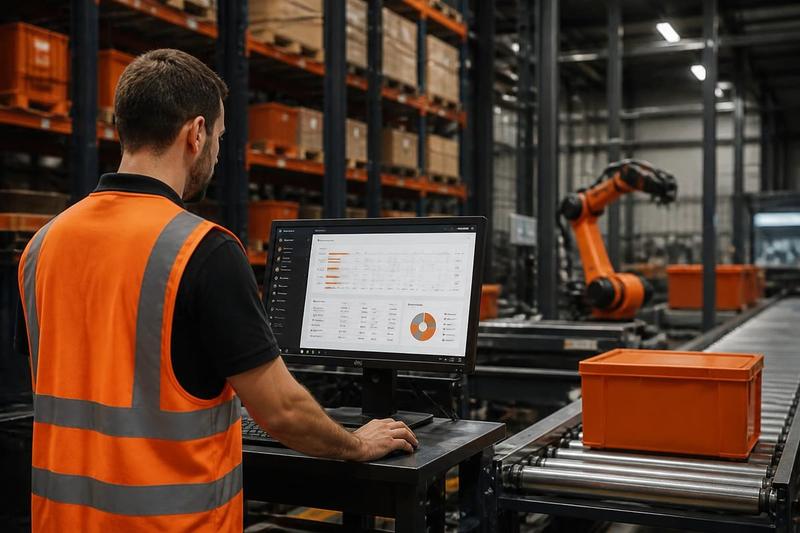
These components must work together seamlessly to create a truly automated environment. The warehouse management system serves as the central nervous system, coordinating activities across all automated equipment while maintaining accurate inventory records and optimizing workflow.
The Business Case for Warehouse Automation Investment
Financial justification remains a critical consideration for organisations evaluating warehouse management automation. The investment can be substantial, particularly for comprehensive automation projects, yet the return on investment often proves compelling when properly analyzed.
Labour cost reduction typically represents the most immediate and measurable benefit. With ongoing labour shortages across Australia and New Zealand, automation provides a sustainable alternative to staffing challenges. Automated systems can operate continuously without breaks, eliminate overtime costs, and reduce dependency on temporary labour during peak periods.
Quantifying Automation Benefits
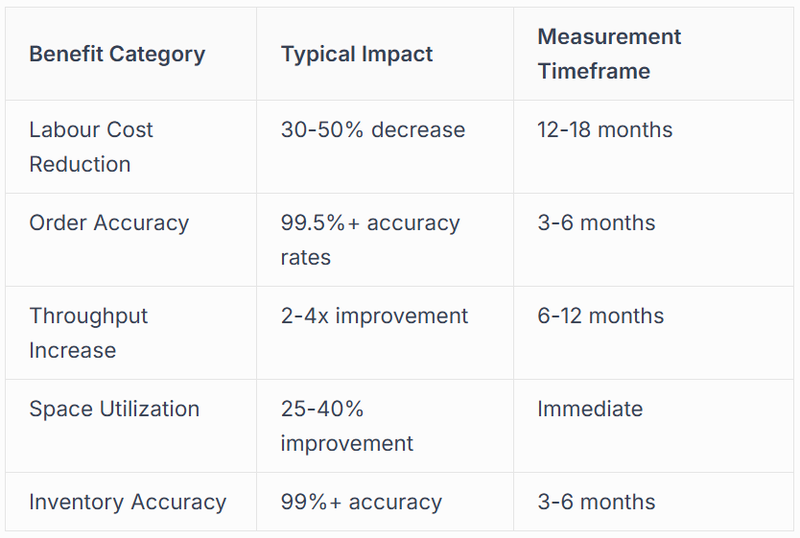
Beyond direct cost savings, warehouse management automation delivers strategic advantages that enhance competitive positioning. Faster order fulfillment enables same-day and next-day delivery capabilities that customers increasingly demand. Improved accuracy reduces returns, refunds, and customer service costs while strengthening brand reputation.
Research from Shopify demonstrates that automated warehouses can process orders up to four times faster than manual operations while maintaining superior accuracy levels. This performance differential becomes increasingly significant as order volumes grow and customer expectations continue rising.
Technologies Driving Modern Warehouse Automation
The technological landscape supporting warehouse management automation has evolved dramatically, offering solutions suitable for operations of all sizes and complexities. Understanding these technologies helps businesses select the right mix of automation tools for their specific requirements.
Robotics and Autonomous Systems
Autonomous mobile robots have revolutionized warehouse operations by providing flexible, scalable automation that adapts to changing business needs. Unlike fixed automation infrastructure, warehouse AMRs can be redeployed, reprogrammed, and scaled up or down as requirements evolve.
Collaborative robots work alongside human workers, combining the flexibility and problem-solving capabilities of people with the consistency and endurance of automation. These systems excel in environments where complete automation isn't feasible or desirable, creating hybrid operations that leverage the strengths of both humans and machines.
Goods-to-person (GTP) systems represent one of the most effective approaches to warehouse automation, bringing products directly to stationary picking stations rather than requiring workers to travel throughout the warehouse. This approach dramatically reduces walking time, which can account for 50-70% of labour hours in traditional warehouses.
For small and medium businesses exploring warehouse management automation, solutions like the Automate-X GTP Starter Grid provide an accessible entry point. This scalable system enables businesses to begin automating their picking processes without the massive capital investment traditionally associated with comprehensive warehouse automation projects.
Intelligent Software Systems
Modern warehouse management systems extend far beyond basic inventory tracking. Today's automated warehouse management systems incorporate artificial intelligence, machine learning, and advanced analytics to continuously optimize operations.
Predictive algorithms analyze historical data to forecast demand patterns, enabling proactive inventory positioning and resource allocation. Real-time optimization engines dynamically adjust picking routes, storage locations, and resource assignments based on current conditions and priorities.
Integration capabilities represent a critical consideration when evaluating warehouse management automation software. The system must connect seamlessly with enterprise resource planning (ERP) systems, transportation management systems (TMS), order management platforms, and e-commerce systems to enable end-to-end visibility and coordination.
Implementation Strategies and Best Practices
Successful warehouse management automation requires careful planning and phased implementation. Organizations that rush into automation without proper preparation often encounter costly setbacks and disappointing results.
Conducting a Comprehensive Needs Assessment
Before selecting automation technologies, businesses must thoroughly analyze their current operations and future requirements:
- Document existing processes including workflow, volumes, SKU characteristics, and performance metrics
- Identify pain points and bottlenecks that constrain capacity or impact quality
- Quantify performance goals for throughput, accuracy, and cost reduction
- Project future growth and seasonal variability to ensure adequate scalability
- Assess facility constraints including space, power, network infrastructure, and structural limitations
- Evaluate workforce implications and develop change management strategies
This assessment provides the foundation for developing an automation roadmap aligned with business objectives and operational realities. Understanding warehouse automation fundamentals helps teams make informed decisions throughout the planning process.
Phased Deployment Approaches
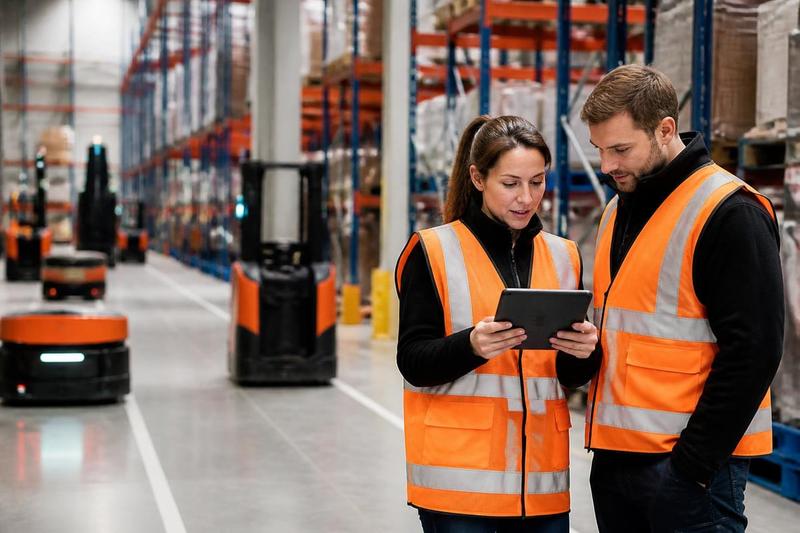
Rather than attempting complete automation immediately, most successful implementations follow a phased approach that manages risk while delivering incremental benefits.
Starting with pilot projects in specific areas allows teams to gain experience, validate technology performance, and refine processes before broader deployment. Common starting points include:
- Receiving and putaway automation to improve inventory accuracy from the moment products enter the facility
- High-volume picking zones where automation delivers the greatest immediate impact
- Packing and shipping stations to reduce errors and improve throughput
- Returns processing which often represents a particularly labour-intensive bottleneck
Each phase should include clear success criteria, performance monitoring, and optimization before proceeding to the next implementation stage. This measured approach allows organizations to build internal expertise while demonstrating value to stakeholders.
Addressing Workforce Considerations in Automation
The human element represents one of the most critical yet often overlooked aspects of warehouse management automation. Balancing AI efficiency with workforce considerations proves essential for sustainable success.
Contrary to common fears, warehouse automation typically doesn't eliminate jobs but rather transforms them. Manual picking and material handling roles evolve into positions requiring technical skills, problem-solving capabilities, and system oversight. Forward-thinking organizations invest in retraining programs that help existing employees transition into these higher-value roles.
Developing Your Automation-Ready Workforce
Preparing your team for warehouse management automation involves several key initiatives:
- Communicate openly about automation plans, addressing concerns and highlighting opportunities
- Provide comprehensive training on new systems and equipment before deployment
- Create career development pathways that leverage automation-related skills
- Involve frontline workers in process design and system optimization
- Recognize and reward employees who embrace new technologies and contribute to continuous improvement
Companies that prioritize workforce development during automation initiatives experience smoother implementations, higher adoption rates, and better long-term results. The most successful automated warehouses combine technology efficiency with human expertise and judgment.
Advanced Technologies Shaping the Future
The warehouse management automation landscape continues evolving rapidly as emerging technologies mature and become commercially viable. Organizations planning automation investments should consider these developments to ensure their systems remain relevant and competitive.
Artificial Intelligence and Machine Learning
AI-powered systems increasingly optimize warehouse operations in real-time, analyzing vast datasets to identify patterns and make decisions that maximize efficiency. Deep reinforcement learning applications enable dynamic order picking optimization that adapts to changing conditions throughout the day.
Predictive maintenance algorithms monitor equipment performance, identifying potential failures before they occur and scheduling preventive maintenance during low-activity periods. This capability significantly reduces unexpected downtime while extending equipment lifespan.
Computer vision systems now handle quality control, inventory verification, and damage detection with accuracy exceeding human capabilities. These systems can inspect hundreds of items per minute, identifying defects, verifying packaging integrity, and ensuring order accuracy.
Multi-Agent Coordination Systems
As warehouses deploy growing fleets of autonomous robots, sophisticated coordination systems become essential. Advanced pathfinding algorithms for AGVs enable dozens or even hundreds of robots to navigate shared spaces efficiently without collisions or congestion.
These coordination systems optimize not just individual robot paths but the entire fleet's collective performance, balancing workloads, minimizing travel distances, and dynamically responding to priority changes and disruptions.
Industry-Specific Automation Considerations
Different industries face unique challenges that influence warehouse management automation strategies. Understanding these sector-specific requirements helps organizations select appropriate technologies and implementation approaches.
E-commerce and 3PL Operations
E-commerce fulfillment demands exceptional speed and accuracy across vast SKU ranges with unpredictable order patterns. Automation systems for these environments must handle high-velocity picking, complex kitting requirements, and rapid order changes.
Third-party logistics providers face additional complexity managing multiple clients with varying requirements within shared facilities. Flexible automation solutions that can adapt to different workflows and maintain client-specific processes prove essential.
Temperature-Controlled and Cold Storage
Pharmaceutical and food distribution operations require warehouse management automation that functions reliably in challenging environmental conditions. Automated storage solutions designed for cold storage environments minimize human exposure to extreme temperatures while maximizing storage density.
Temperature monitoring, batch tracking, and expiry date management become critical capabilities in these environments, requiring seamless integration between automation equipment and quality management systems.
Manufacturing and Raw Materials
Manufacturing support warehouses handle bulkier items, partial pallets, and materials requiring special handling equipment. Automation strategies for these operations often emphasize automated storage and retrieval of raw materials, component kitting for production lines, and finished goods staging.
Integration with manufacturing execution systems (MES) enables just-in-time material delivery that supports lean manufacturing principles while minimizing work-in-progress inventory.
Measuring and Optimizing Automation Performance
Implementing warehouse management automation represents just the beginning of the journey. Continuous monitoring, analysis, and optimization ensure systems deliver sustained value and adapt to evolving business requirements.
Key Performance Indicators for Automated Warehouses
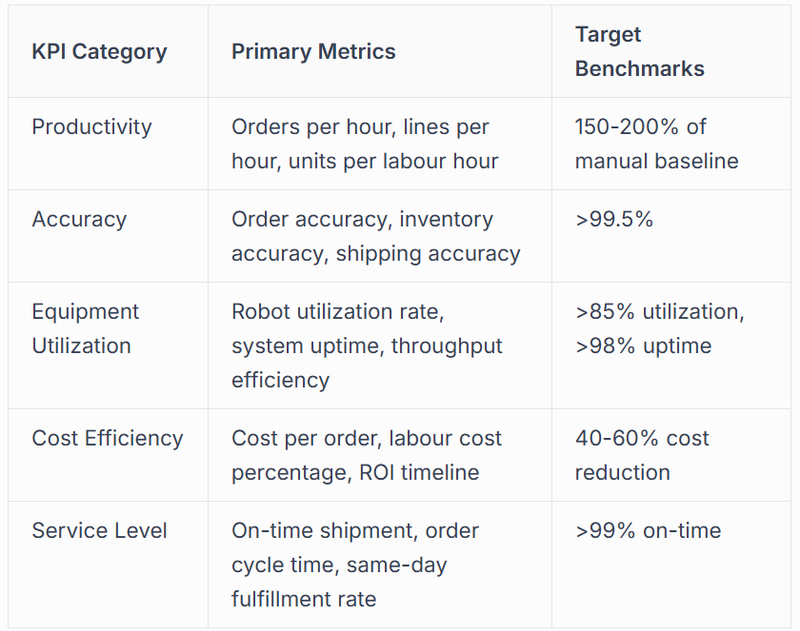
Regular performance reviews identify optimization opportunities and validate that automation systems continue meeting business objectives. Many organizations establish continuous improvement teams dedicated to refining automated processes and maximizing system capabilities.
Data analytics platforms aggregate information from across automated systems, providing visibility into performance trends, constraint analysis, and improvement opportunities. Cloud-native warehouse management platforms offer particularly powerful analytics capabilities that support data-driven decision-making.
Scalability and Future-Proofing Your Investment
Warehouse management automation investments must accommodate both growth and changing business requirements. Scalability considerations should influence technology selection and facility design from the project's inception.
Modular automation systems allow incremental capacity expansion without requiring complete system replacement. As order volumes grow, additional robots, storage modules, or processing stations can be integrated into existing infrastructure.
Flexibility proves equally important as scalability. Business models evolve, customer requirements change, and new product categories emerge. Automation systems must adapt to these shifts without requiring prohibitive reconfiguration costs. Industry predictions suggest that by 2030, half of new warehouses will feature robot-centric operations, highlighting the accelerating automation trend.
Technology refresh cycles must also be considered. While automation equipment typically provides 7-10 years of productive service, software platforms and control systems may require more frequent updates. Planning for ongoing technology investment ensures systems remain current and competitive.
Navigating Regulatory and Safety Requirements
Warehouse management automation introduces new safety considerations and regulatory compliance obligations. Automated equipment must meet relevant safety standards while operating in environments shared with human workers.
Risk assessments identify potential hazards associated with automated systems, from robot collision risks to conveyor pinch points. Appropriate safeguards including physical barriers, safety sensors, emergency stop systems, and warning indicators protect workers while maintaining operational efficiency.
Training programs must address both operational procedures and safety protocols. Workers need to understand how automated systems function, when and how to intervene safely, and emergency response procedures.
Compliance requirements vary by jurisdiction and industry. Food and pharmaceutical warehouses face particularly stringent regulations regarding traceability, contamination prevention, and quality documentation. Understanding warehouse automation from a regulatory perspective helps organizations ensure their systems meet all applicable requirements.
Integration with Broader Supply Chain Ecosystems
Warehouse management automation delivers maximum value when integrated within comprehensive supply chain strategies. Isolated warehouse automation without upstream and downstream integration creates information silos and limits optimization opportunities.
Transportation management system integration enables coordinated planning that considers both warehouse capacity and carrier availability. Real-time visibility into inbound shipments allows warehouses to prepare receiving resources and storage locations before trucks arrive.
Order management platform integration supports unified inventory visibility across multiple facilities and channels. This capability enables intelligent order routing, split-shipment optimization, and accurate available-to-promise calculations.
Supplier collaboration portals extend visibility beyond enterprise boundaries, allowing vendors to access inventory levels, forecast data, and replenishment requirements. This transparency supports vendor-managed inventory programs and collaborative planning initiatives.
Selecting the Right Automation Partner
The complexity of warehouse management automation makes partner selection one of the most critical success factors. The right partner brings not just technology but also implementation expertise, industry knowledge, and ongoing support capabilities.
Evaluation criteria should extend beyond equipment specifications and pricing:
- Industry experience with operations similar to yours in scale, complexity, and sector
- Technology breadth offering integrated solutions rather than point products requiring separate vendors
- Implementation methodology including project management, testing protocols, and training approaches
- Support capabilities covering maintenance, troubleshooting, software updates, and continuous improvement
- References and case studies demonstrating successful implementations with measurable results
- Financial stability ensuring the vendor will remain viable throughout the system lifecycle
- Innovation roadmap indicating ongoing technology development and enhancement
Partnership relationships prove more valuable than transactional vendor relationships. The most successful automation projects involve collaborative relationships where technology providers understand business objectives and work jointly toward continuous improvement.
Exploring logistics automation examples from similar organizations provides valuable insights into what works effectively in comparable environments.
Warehouse management automation represents a strategic imperative for logistics operations seeking to remain competitive in an increasingly demanding marketplace. The combination of robotics, intelligent software, and system integration delivers measurable improvements in productivity, accuracy, and cost efficiency while enabling the scalability necessary for future growth. Whether you're operating in e-commerce fulfillment, 3PL services, manufacturing support, or specialized sectors like pharmaceuticals and cold storage, Automate-X provides the expertise and technology solutions to transform your warehouse operations and position your business for sustained success.