

Way Automation: Transforming Warehouse Operations in 2026
Share on
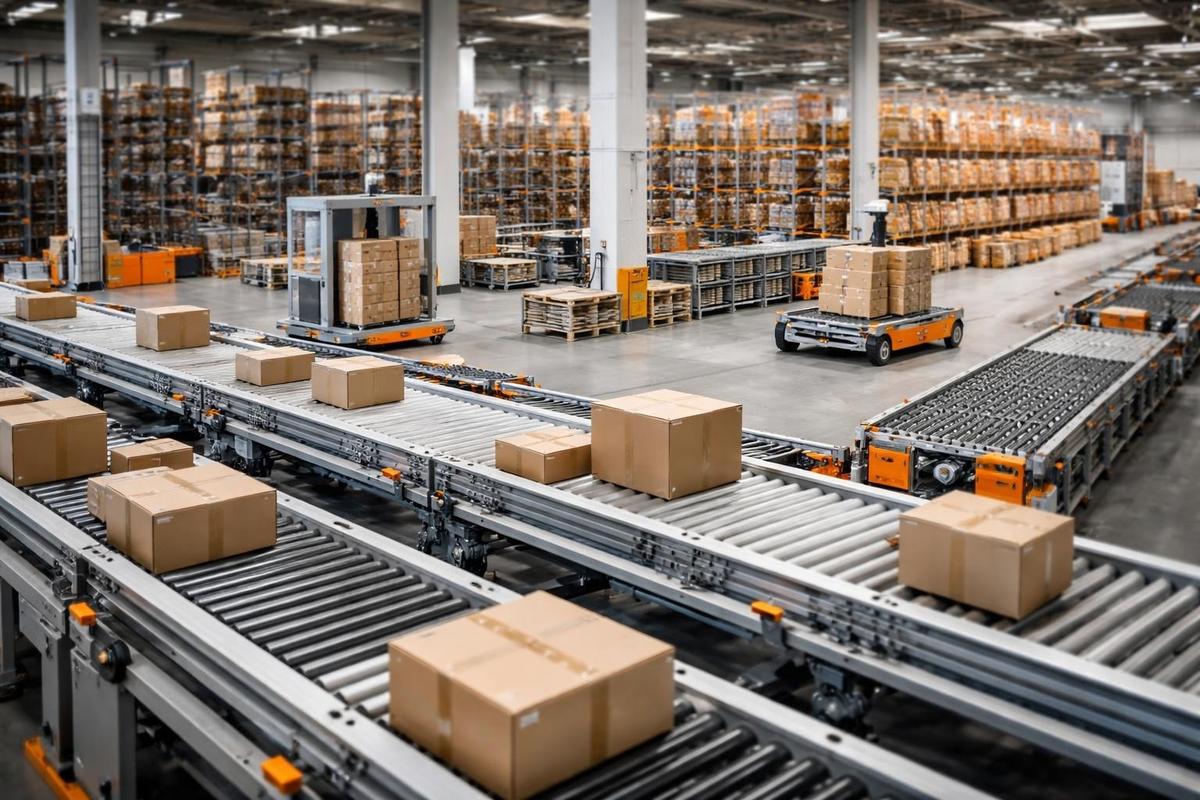
Modern warehouses face unprecedented pressure to deliver faster, cheaper, and with greater accuracy than ever before. The complexity of managing inventory across multiple zones, coordinating picking routes, and synchronising automated systems has pushed traditional methods to their limits. Way automation represents a fundamental shift in how warehouses orchestrate material movement, combining intelligent path planning, automated transport systems, and real-time coordination to create seamless operational flow. This integrated approach transforms how goods move through distribution centres, enabling logistics operations to meet today's demanding service levels whilst preparing for tomorrow's growth.
Understanding Way Automation in Warehouse Environments
Way automation refers to the intelligent orchestration of movement paths and workflows throughout warehouse facilities. Rather than focusing solely on individual automated components, this approach considers the entire journey that products take from receiving through storage, picking, packing, and dispatch. The system optimises routes, coordinates multiple automated technologies, and dynamically adjusts pathways based on real-time operational demands.
Contemporary warehouse operations struggle with several critical challenges that way automation directly addresses. Traditional manual routing creates bottlenecks during peak periods, whilst fixed pathways cannot adapt to changing inventory profiles or seasonal variations. Research shows warehouse workers value automation when it reduces physically demanding tasks and improves workflow efficiency.
Core Components of Effective Way Automation
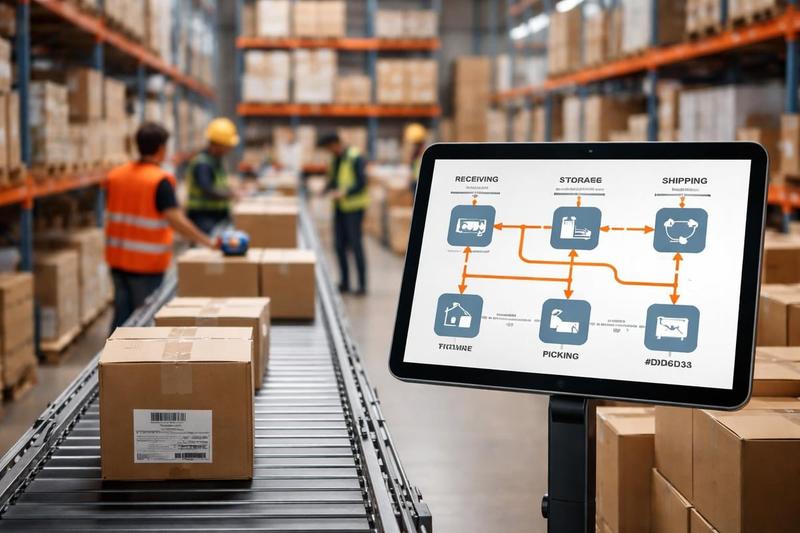
Successful way automation systems integrate multiple technological layers that work together seamlessly. The foundation includes warehouse management software that processes orders, manages inventory locations, and generates optimal picking sequences. This software layer connects to warehouse control systems that coordinate automated equipment including conveyors, sortation systems, autonomous mobile robots, and automated storage and retrieval systems.
Key technological elements include:
- Real-time location tracking systems monitoring inventory and equipment positions
- Dynamic path planning algorithms that adjust routes based on congestion and priority
- Integration middleware connecting diverse automation technologies
- Predictive analytics forecasting demand patterns and resource requirements
- Safety systems ensuring collision avoidance and human-robot collaboration
The coordination between these components creates a responsive system that continuously optimises material flow. When unexpected situations arise, such as equipment maintenance needs or order priority changes, the system recalculates pathways and reallocates resources without manual intervention.
Implementing Way Automation Across Warehouse Zones
Different warehouse zones require distinct automation strategies that must work together cohesively. Receiving areas benefit from automated sortation that directs incoming goods along predetermined pathways to appropriate storage locations. The way automation system analyses product characteristics, storage requirements, and current warehouse capacity to determine optimal placement.
Storage zones represent the most complex area for way automation implementation. Products must be positioned considering turnover rates, order frequency, physical dimensions, and compatibility with automated retrieval systems. High-velocity items position closer to packing stations, whilst slower-moving inventory occupies deeper storage locations. The system continuously analyses order patterns and adjusts slotting strategies to maintain optimal efficiency.
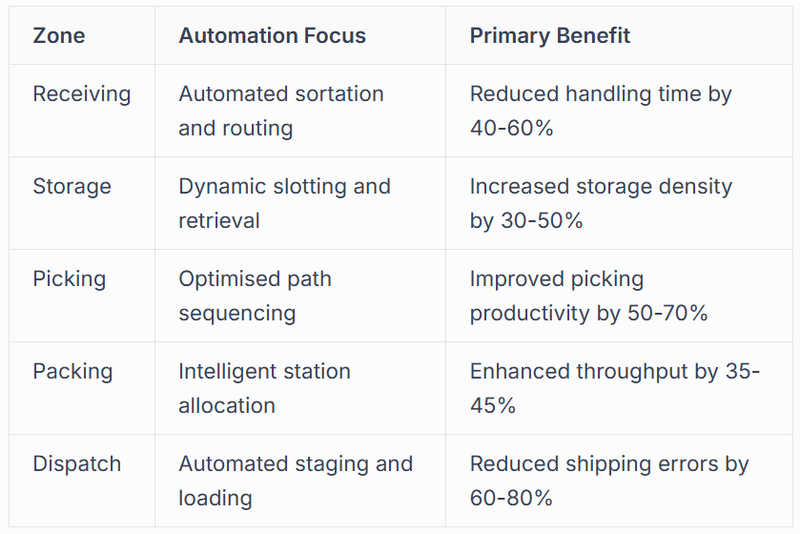
Picking operations experience dramatic transformation through way automation. Rather than pickers following fixed routes, the system generates dynamic pathways that minimise travel distance whilst considering order priorities and picker locations. Advances in autonomous robotics enable goods-to-person systems where products travel to stationary workers, eliminating walking time entirely.
Coordinating Multiple Automation Technologies
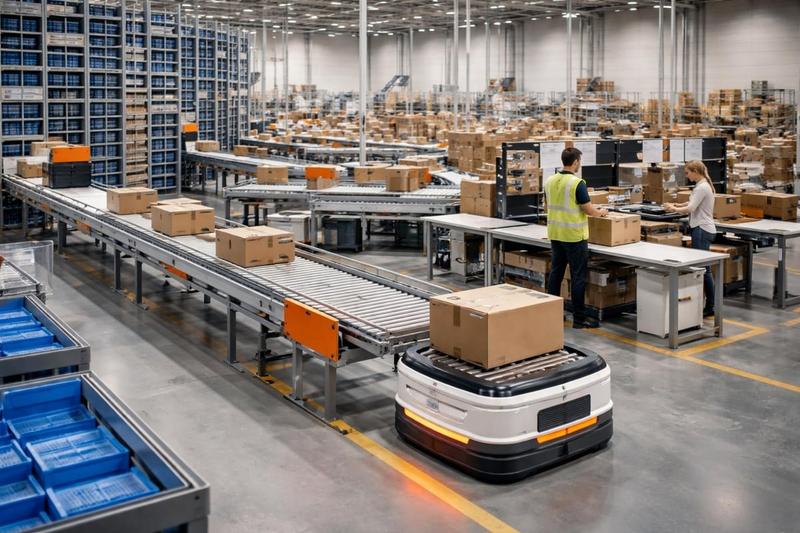
Way automation achieves maximum value when orchestrating diverse automated systems working in concert. A single order might involve autonomous mobile robots retrieving products from high-bay storage, conveyor systems transporting items to packing stations, and automated labelling systems preparing packages for dispatch. Each technology operates independently yet coordinates through the central way automation platform.
The challenge lies in managing handoffs between different automation types. When an AMR delivers a tote to a conveyor, timing must be precise to prevent bottlenecks. The way automation system monitors equipment status, predicts arrival times, and adjusts upstream operations to maintain smooth flow. This coordination extends to human workers who interact with automated systems at various touchpoints throughout the facility.
Optimising Material Flow Through Intelligent Pathways
The science of way automation centres on continuous pathway optimisation. Traditional warehouses establish fixed routes that remain constant regardless of changing conditions. Modern way automation systems analyse thousands of variables in real-time, adjusting pathways to respond to current operational states. This dynamic approach prevents congestion, reduces equipment wear, and maintains consistent throughput even during demand spikes.
Machine learning algorithms improve pathway decisions over time by analysing historical performance data. The system identifies patterns in order composition, peak activity periods, and equipment reliability to predict future conditions. These predictions enable proactive adjustments that prevent problems before they impact operations. Market analysis indicates that warehouses implementing intelligent automation systems achieve 25-35% improvements in operational efficiency within the first year.
Balancing Efficiency with Flexibility
Effective way automation must balance operational efficiency with the flexibility to handle exceptions. E-commerce warehouses particularly require this balance, as order profiles can shift dramatically between standard replenishment and promotional events. The automation system maintains baseline efficiency through optimised standard pathways whilst reserving capacity to accommodate priority orders or unexpected volume changes.
Seasonal variations present another dimension of complexity. Pharmaceutical distribution centres may experience cold and flu season surges, whilst food and beverage operations face holiday peaks. Way automation systems adapt by adjusting storage strategies, modifying picking pathways, and reallocating automated resources to match demand patterns. This adaptability extends the useful life of automation investments by ensuring systems remain effective despite changing business requirements.
For businesses beginning their automation journey, the Automate-X GTP Starter Grid provides an accessible entry point into goods-to-person automation, combining intelligent workflow orchestration with scalable robotics infrastructure designed specifically for small to medium operations in Australia and New Zealand.
Safety and Risk Management in Automated Pathways
Way automation systems must prioritise safety as automated equipment and human workers share operational spaces. Modern implementations incorporate multiple safety layers including physical barriers, sensor networks, and software-based collision avoidance. The system monitors all movement within the facility, predicting potential conflicts and adjusting pathways to maintain safe separation distances.
Critical safety considerations include:
- Emergency stop protocols that safely halt all automated equipment
- Restricted zones where only authorised personnel may enter
- Speed limitations in high-traffic areas or near manual workstations
- Audio and visual warnings alerting workers to approaching automated equipment
- Redundant safety systems preventing single-point failures
Beyond worker safety, way automation addresses facility protection requirements. Automated warehouses face unique fire protection challenges due to dense storage configurations and continuous equipment operation. Way automation systems integrate with fire suppression infrastructure, automatically routing equipment away from affected areas and facilitating emergency access for response teams.
Measuring Way Automation Performance
Successful way automation requires robust performance measurement frameworks. Key performance indicators must capture both efficiency improvements and system reliability. Travel distance per order picked, order cycle time, and equipment utilisation rates provide operational insights, whilst system uptime, error rates, and throughput consistency measure reliability.
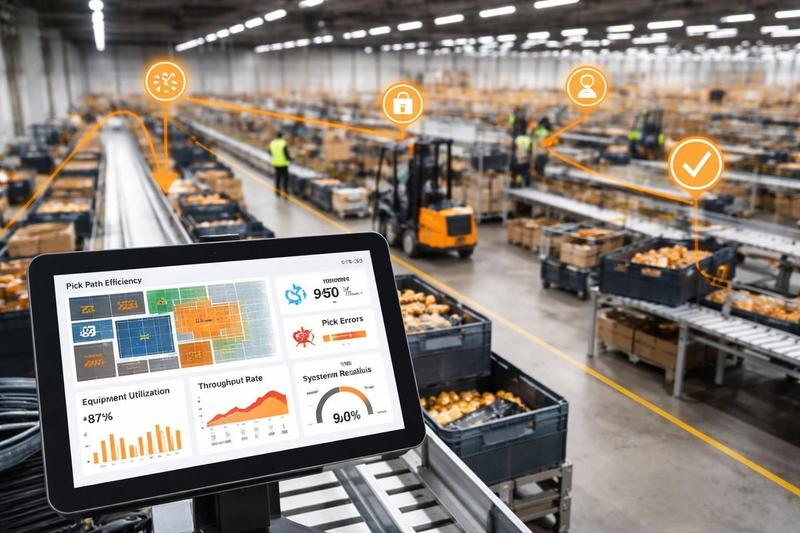
Advanced analytics platforms transform raw operational data into actionable intelligence. Real-time dashboards display current performance against targets, highlighting areas requiring attention. Historical trending identifies gradual performance degradation that might indicate maintenance needs or process improvements. Predictive analytics forecast future performance based on planned changes to inventory mix, order profiles, or facility configuration.
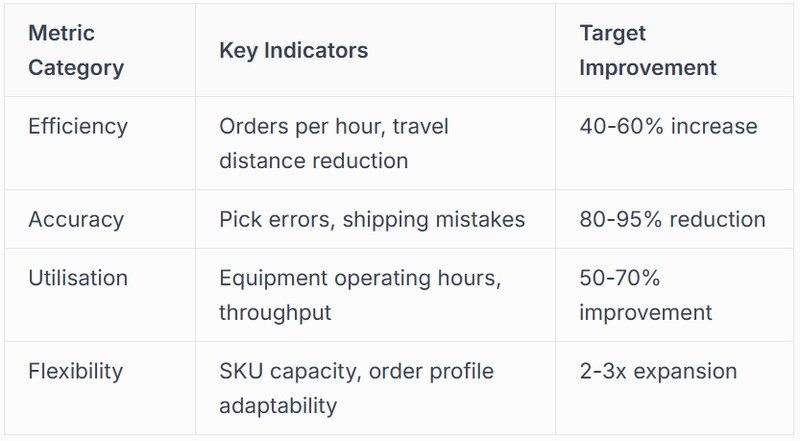
Continuous improvement processes leverage performance data to refine way automation strategies. Regular analysis sessions review system performance, identify bottlenecks, and develop optimisation initiatives. These improvements range from minor pathway adjustments to significant reconfigurations of storage strategies or automation deployment.
Integration with Broader Supply Chain Systems
Way automation delivers maximum value when integrated with upstream and downstream supply chain systems. Connections to enterprise resource planning platforms enable demand forecasting that shapes storage strategies and resource allocation. Transportation management systems share inbound delivery schedules and outbound carrier requirements, allowing the warehouse to prepare appropriate pathways and staging areas.
Customer order management systems provide real-time visibility into order status as products move through automated pathways. This transparency supports accurate delivery commitments and enables proactive customer communication when delays occur. The integration extends to returns processing, where way automation systems create reverse pathways that efficiently handle returned products, routing items to inspection, restocking, or disposal as appropriate.
Third-party logistics providers particularly benefit from integrated way automation that supports multiple client requirements within a single facility. The system maintains separate inventory accounts, implements client-specific handling rules, and generates customised reporting whilst optimising overall facility efficiency. This multi-tenant capability enables 3PLs to offer premium services without proportional cost increases.
Technology Selection and Scalability Considerations
Choosing appropriate way automation technologies requires careful analysis of operational requirements, facility constraints, and growth projections. Not every warehouse needs the most advanced automation available. Small to medium operations may achieve significant benefits from automated conveyor systems and basic warehouse control software before progressing to autonomous mobile robots or automated storage systems.
Industry forecasts indicate substantial growth in warehouse automation adoption through 2030, driven by labour shortages, rising customer expectations, and improving technology economics. This growth trajectory suggests that automation investments made today must accommodate future expansion and technology evolution.
Scalability planning should address:
- Modular system architectures supporting incremental expansion
- Software platforms capable of managing increased complexity
- Physical infrastructure allowing additional automation deployment
- Integration capabilities accommodating emerging technologies
- Workforce development preparing teams for evolving automation roles
Pilot programmes offer valuable opportunities to test way automation concepts before full-scale implementation. Starting with a single warehouse zone or product category allows operations to validate technology choices, refine processes, and build organisational capability. Successful pilots generate confidence and practical knowledge that accelerates subsequent rollouts.
Workforce Implications and Change Management
Way automation fundamentally changes warehouse work, shifting roles from repetitive physical tasks toward equipment monitoring, exception handling, and process optimisation. This transformation requires comprehensive change management that addresses both technical training and cultural adaptation. Workers need clear communication about automation objectives, realistic timelines, and their evolving roles within automated operations.
AI integration in warehouses creates opportunities to enhance human capabilities rather than simply replacing workers. Successful implementations position automation as a tool that eliminates physically demanding tasks whilst creating higher-value positions operating and maintaining sophisticated systems. This approach builds workforce support and facilitates smoother transitions.
Training programmes must cover both equipment operation and system interaction. Workers learn to work alongside autonomous mobile robots, interpret digital work instructions, and respond to system alerts. Ongoing training ensures teams remain current as way automation systems evolve and new capabilities deploy. Organisations that invest in workforce development consistently achieve better automation outcomes than those focusing solely on technology.
Way automation represents a comprehensive approach to warehouse optimisation that extends far beyond individual automated technologies. By orchestrating material movement through intelligent pathways, dynamic coordination, and continuous optimisation, these systems enable logistics operations to achieve unprecedented efficiency whilst maintaining the flexibility modern commerce demands. Automate-X combines modern robotics, intelligent warehouse software, and proven system integration expertise to help logistics, 3PL, e-commerce, and manufacturing operations implement way automation strategies that drive measurable productivity improvements and support sustainable growth across their distribution networks.