

Yard Management Automation: A Complete 2026 Guide
Share on
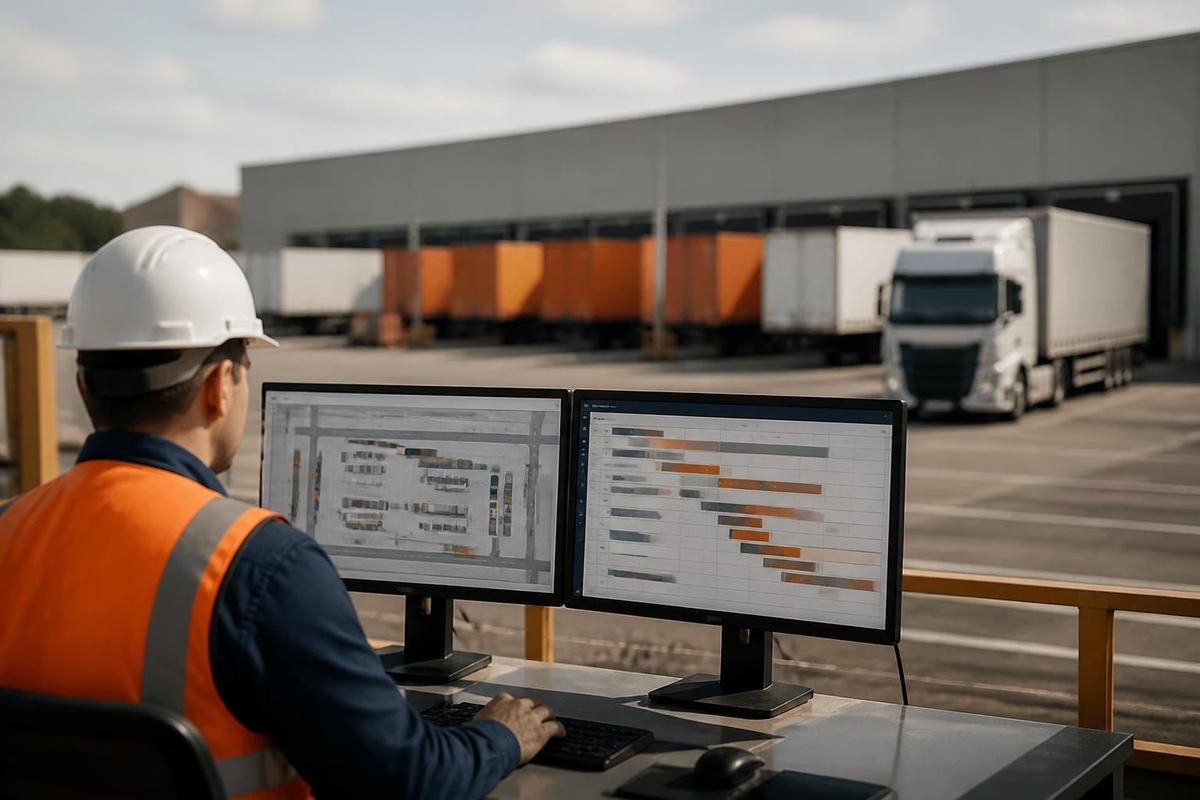
The modern logistics yard represents one of the most complex orchestration challenges in supply chain management. With dozens or even hundreds of trailers, containers, and vehicles moving simultaneously across multiple loading docks, the margin for error remains razor-thin. Traditional manual processes create bottlenecks, scheduling conflicts, and visibility gaps that ripple through entire distribution networks. Yard management automation addresses these challenges by transforming how facilities track assets, schedule appointments, and coordinate movements between the gate and the warehouse.
Understanding Yard Management Automation
Yard management automation encompasses technologies and processes that digitize, optimize, and coordinate all activities within the yard perimeter. This includes trailer positioning, dock door assignments, driver check-ins, asset tracking, and the seamless handoff between transportation and warehouse operations.
The scope extends beyond simple visibility. Modern yard automation systems actively direct shunter movements, automate gate processes, predict congestion patterns, and integrate directly with warehouse management systems to ensure optimal flow. These capabilities transform the yard from a passive staging area into an actively managed component of the supply chain.
Core Components of Automated Yard Systems
Several technology layers work together to deliver comprehensive yard automation:
- Real-time location systems (RTLS) that track every trailer, container, and yard truck without manual scans
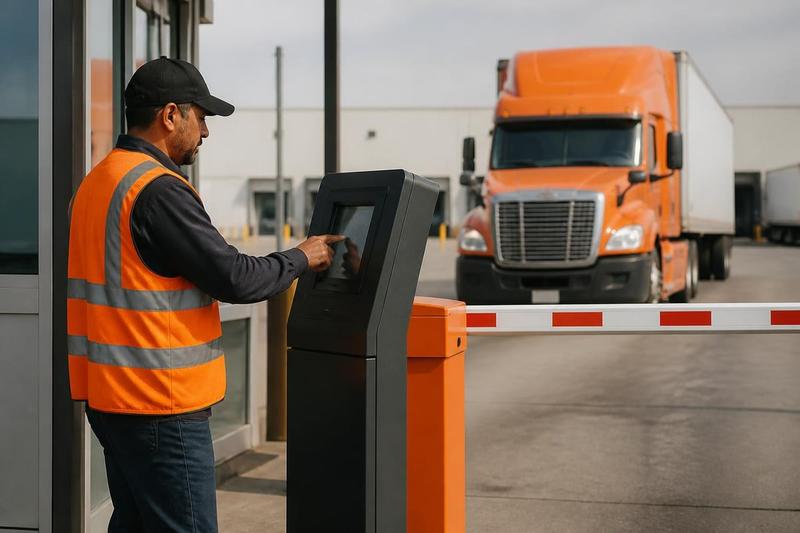
- Automated gate systems with license plate recognition, kiosk check-in, and digital documentation
- Dock scheduling platforms that optimize appointment slots and loading sequences
- Mobile applications providing drivers and yard personnel with live instructions
- Integration middleware connecting yard systems with WMS, TMS, and ERP platforms
- Analytics engines that identify patterns, predict delays, and recommend process improvements
Inpixon's RTLS yard management system demonstrates how digital twin technology creates accurate real-time representations of yard operations, enabling optimization that would be impossible with manual tracking methods.
Benefits Driving Adoption Across Industries
Organizations implementing yard management automation report measurable improvements across multiple operational dimensions. These benefits compound over time as systems learn patterns and optimize decision-making algorithms.
Operational Efficiency Gains
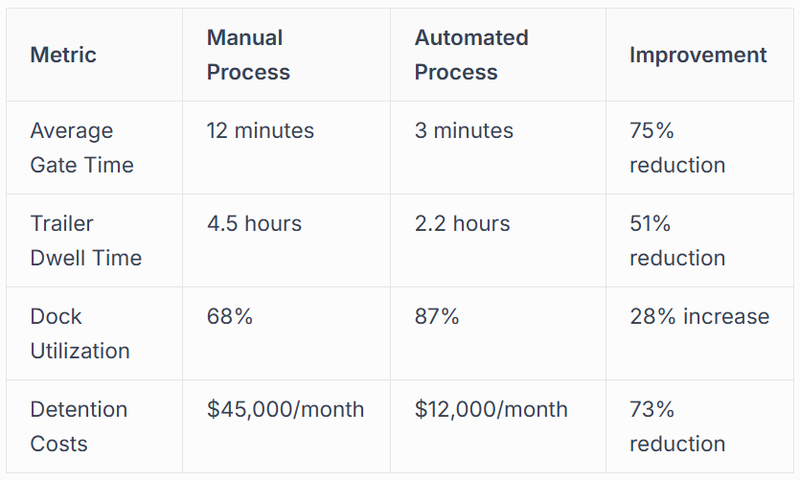
Dwell time reduction stands out as one of the most significant benefits. Automated systems can reduce average trailer dwell time by 30-50% through optimized positioning and scheduling. This acceleration translates directly into increased throughput without expanding physical infrastructure.
Gate processing time drops dramatically when automation handles check-ins, documentation verification, and dock assignments. What traditionally required 10-15 minutes of manual processing can be completed in 2-3 minutes with automated gate and yard workflows.
Enhanced Visibility and Control
Real-time asset visibility eliminates the "lost trailer" problem that plagues manual operations. Yard personnel can instantly locate any asset without physical searches, and warehouse teams receive accurate ETAs for inbound shipments.
This visibility extends to stakeholders across the supply chain. Carriers gain transparency into appointment availability and expected loading times. Warehouse managers can prepare resources based on confirmed yard movements rather than estimates. Supply chain planners see actual cycle times rather than theoretical standards.
Cost Reduction Opportunities
Yard management automation reduces costs through multiple mechanisms:
- Labour optimization by eliminating manual tracking and search activities
- Detention and demurrage avoidance through faster turn times
- Reduced equipment needs via better utilization of existing assets
- Fewer errors in shipment processing and documentation
- Lower insurance premiums from improved safety and security
The comprehensive approach to organizing yard flows offered by modern systems ensures that cost benefits extend beyond direct labour savings to encompass the entire operational ecosystem.
Implementation Strategies for Warehouse Operations
Deploying yard management automation requires careful planning that balances technology capabilities with operational realities. Successful implementations follow structured approaches that minimize disruption while maximizing adoption.
Assessment and Planning Phase
Begin with a thorough analysis of current yard operations. Document trailer volumes, peak periods, dwell time patterns, and pain points reported by personnel. This baseline establishes clear metrics for measuring improvement.
Site surveys identify infrastructure requirements including network coverage, power availability for sensors and gates, and physical layout constraints. Many facilities discover that existing WiFi networks lack the coverage or reliability needed for real-time tracking systems.
Stakeholder engagement during planning proves critical. Drivers, yard personnel, dock workers, warehouse managers, and IT teams all interact with yard automation differently. Understanding their workflows and concerns shapes system configuration and training approaches.
Technology Selection Criteria
Not all yard management platforms deliver equivalent capabilities. Evaluate systems based on:
- Integration depth with existing warehouse management and transportation systems
- Scalability to handle peak volumes and future facility expansion
- Asset tracking methodology (RFID, GPS, camera-based, or hybrid)
- User interface design for both mobile and desktop access
- Analytics and reporting capabilities for continuous improvement
- Vendor stability and implementation support resources
The digitization of truck and trailer movements showcases how modern platforms provide real-time control while maintaining the flexibility needed for diverse operational requirements.

Phased Rollout Approach
Successful deployments typically follow a staged implementation model:
Phase One focuses on visibility, implementing asset tracking and basic gate automation without changing existing workflows. This builds confidence and demonstrates value before requiring significant process changes.
Phase Two introduces optimization features including automated dock assignment, intelligent shunter routing, and appointment scheduling. Personnel adapt to system-directed operations while maintaining manual override capabilities.
Phase Three enables advanced capabilities such as predictive analytics, automated exception handling, and full integration with warehouse picking and receiving processes. The yard operates as a seamless extension of warehouse automation.
For facilities beginning their automation journey, solutions like the Automate-X GTP Starter Grid demonstrate how scalable systems can grow alongside operational maturity, starting with manageable implementations that deliver immediate value.
Integration with Warehouse Management Systems
Yard management automation achieves maximum impact when deeply integrated with warehouse operations. This integration creates a continuous flow of information and coordinated activities from the moment a vehicle enters the facility until it departs.
Data Synchronization Requirements
Effective integration requires bidirectional data exchange between yard and warehouse systems. The yard management platform must receive warehouse order priorities, staging completion status, and dock resource availability. Simultaneously, the warehouse system needs real-time updates on trailer locations, appointment adherence, and expected arrival sequences.
This synchronization enables dynamic replanning when conditions change. If a high-priority shipment arrives early, integrated systems can automatically adjust dock assignments, resequence other arrivals, and alert warehouse staff to prepare receiving resources.
Modern warehouse software integration approaches demonstrate how API-based connections create flexible data flows that adapt to changing operational requirements without extensive custom programming.
Coordinated Process Flows
Integration transforms isolated activities into coordinated workflows:
- Inbound appointments automatically trigger warehouse labour scheduling and staging area preparation
- Completed loading operations immediately notify yard systems to release trailers and assign departure gates
- Cross-dock shipments coordinate inbound and outbound trailer positioning to minimize handling
- Inventory allocations consider yard-level visibility to accurately promise delivery times
These coordinated flows eliminate the delays and errors that occur when information moves manually between systems. The result resembles the precision of automated storage and retrieval systems extended across the yard environment.
Advanced Technologies Shaping Future Capabilities
Yard management automation continues to evolve as new technologies mature and integrate into logistics operations. Understanding emerging capabilities helps organizations plan investments that deliver long-term value.
Artificial Intelligence and Machine Learning
AI-driven yard management platforms analyze historical patterns to predict optimal dock assignments, forecast congestion periods, and recommend preventive actions. Intelligent planning through AI agents demonstrates how machine learning algorithms can lower dwell times while improving resource utilization.
These systems learn from every movement, gradually improving recommendations and identifying patterns invisible to human operators. Seasonal variations, carrier-specific behaviors, and subtle correlations between yard events and downstream performance all inform increasingly sophisticated optimization.
Autonomous Yard Operations
The emergence of autonomous yard trucks and collaborative robots represents the next frontier in yard automation. Research into collaborative autonomous vehicle operation within marshaling yards highlights the potential for hybrid automation where human operators and autonomous systems work together.
Current implementations focus on semi-autonomous operations where yard trucks follow predetermined routes with remote human supervision. As technology matures and regulatory frameworks develop, fully autonomous yard operations will become increasingly viable for controlled logistics environments.
Computer Vision and Advanced Sensing
Camera-based systems now perform functions previously requiring physical sensors or manual inspection. Computer vision identifies trailer damage, verifies seal integrity, reads container numbers, and monitors loading activities for safety compliance.
These capabilities extend yard management automation beyond simple tracking into comprehensive operational monitoring. Combined with analytics platforms, vision systems detect anomalies, predict maintenance requirements, and document compliance with safety and security protocols.
Industry-Specific Implementation Considerations
Different industry sectors face unique yard management challenges that influence automation strategies. Tailoring implementations to sector-specific requirements maximizes return on investment and operational impact.
Third-Party Logistics and Distribution
3PL operations manage diverse client requirements, variable trailer types, and complex billing arrangements. Yard automation for these facilities must support multi-tenant configurations where different clients receive customized workflows, reporting, and integration points.
Billing accuracy becomes critical when detention charges and handling fees depend on precise timestamps. Automated systems eliminate disputes by providing irrefutable records of gate times, dock assignments, and dwell periods.
Manufacturing and Production Environments
Manufacturing facilities coordinate yard operations with production schedules rather than traditional warehouse workflows. Just-in-time delivery requirements demand precise timing, while material shortages or production delays require rapid yard replanning.
Robotics and manufacturing integration extends to the yard environment, where automated systems coordinate inbound raw material deliveries with production consumption rates and outbound finished goods shipments with production completion schedules.
Cold Storage and Temperature-Controlled Facilities
Temperature-sensitive operations face additional complexity managing door time to maintain cold chain integrity. Yard automation helps minimize thermal exposure by pre-positioning refrigerated trailers at docks precisely when receiving teams are ready.
Compliance documentation for pharmaceutical and food operations benefits significantly from automated systems that record every temperature excursion, door opening event, and handling delay. These records satisfy regulatory requirements while identifying process improvements.
The cold storage automation challenges faced by premium food manufacturers demonstrate how specialized requirements drive customized yard management implementations.
Measuring Success and Continuous Improvement
Deploying yard management automation represents only the beginning of operational transformation. Realizing full potential requires ongoing measurement, analysis, and refinement of processes and system configurations.
Key Performance Indicators
Effective measurement programs track multiple dimensions of yard performance:
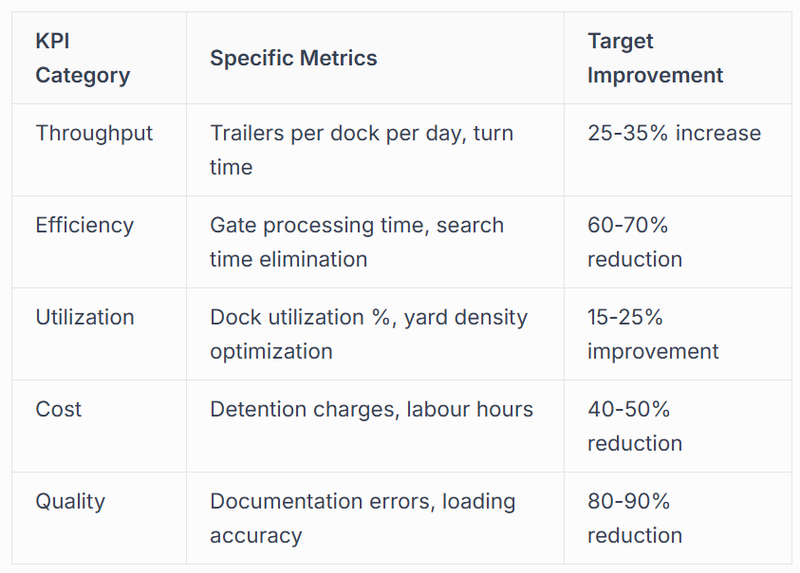
Regular reporting keeps stakeholders informed while creating accountability for continuous improvement. Dashboard visualizations should be accessible to operations personnel who can act on insights, not just executives reviewing historical performance.
Optimization Cycles
Quarterly optimization reviews examine system performance against benchmarks and identify refinement opportunities. These sessions should involve cross-functional teams including yard operations, warehouse management, transportation, and IT.
Common optimization areas include:
- Dock assignment algorithms adjusted for actual loading times versus estimates
- Appointment slot durations refined based on carrier and shipment type patterns
- Shunter routing optimized for fuel efficiency and trailer positioning precision
- Integration workflows enhanced to eliminate manual touchpoints and exception handling
The comprehensive operational analysis performed by advanced systems provides the data foundation needed for evidence-based optimization rather than intuition-driven adjustments.

Risk Management and Change Considerations
Any significant operational transformation carries implementation risks and change management challenges. Proactive planning addresses potential obstacles before they derail automation initiatives.
Technology Risk Mitigation
System reliability proves critical when yard operations depend on automated platforms. Redundancy strategies should address network failures, power outages, and system crashes without halting operations entirely.
Fallback procedures documented and regularly tested ensure personnel can maintain basic operations during system unavailability. These procedures should not simply revert to pre-automation manual processes but rather provide simplified automated operations that maintain visibility while reducing functionality.
Data security deserves particular attention as yard systems increasingly connect to external partner networks and cloud platforms. Penetration testing, access controls, and encryption protocols protect operational data and prevent unauthorized system access.
Organizational Change Management
Personnel resistance represents one of the most significant implementation barriers. Workers accustomed to manual processes may view automation as threatening job security or questioning their expertise.
Effective change management addresses these concerns through:
- Early involvement of frontline workers in system design and testing
- Clear communication about how roles evolve rather than being eliminated
- Comprehensive training that builds confidence in new tools and processes
- Recognition programs celebrating successful adoption and improvement suggestions
- Career development pathways showing opportunities in automated environments
Organizations that invest in change management alongside technology deployment achieve higher adoption rates, faster time-to-value, and superior long-term results.
Vendor Selection and Partnership Approaches
Choosing the right yard management automation partner significantly influences implementation success and long-term system performance. Vendor evaluation should examine capabilities beyond basic feature checklists.
Implementation Support and Services
The complexity of yard automation demands vendors who provide comprehensive implementation support. This includes:
- Site assessment and network infrastructure planning
- System configuration and customization for facility-specific requirements
- Data migration from existing systems
- Integration development and testing
- Training programs for different user roles
- Go-live support and post-implementation optimization
Multilingual support and flexible deployment options become important for organizations operating multiple facilities or serving diverse driver populations.
Long-term Partnership Considerations
Yard management automation represents a long-term technology investment requiring ongoing vendor collaboration. Evaluate potential partners on:
Product roadmap alignment with anticipated operational needs and technology trends. Vendors should demonstrate clear development plans addressing emerging capabilities like AI optimization and autonomous operations.
Customer support responsiveness measured through reference checks with current clients. Understanding typical response times, escalation procedures, and support quality prevents unpleasant surprises after contract signing.
Financial stability ensuring the vendor will remain viable throughout the system lifecycle. Even excellent technology provides limited value if the vendor disappears, leaving facilities with unsupported systems.
Building the Business Case for Investment
Securing funding approval for yard management automation requires compelling business cases that quantify benefits and address stakeholder concerns about costs and implementation risks.
Financial Modeling Approaches
Conservative financial models focus on easily quantifiable savings:
- Labour reduction from eliminated manual tracking and search activities
- Detention cost avoidance through faster turn times and accurate billing
- Throughput increases enabling revenue growth without facility expansion
- Equipment utilization improvements deferring capital investments in additional assets
More sophisticated models incorporate strategic benefits including:
- Customer service improvements from reliable appointment adherence and faster order fulfillment
- Scalability enhancements supporting business growth without proportional cost increases
- Compliance risk reduction through automated documentation and process controls
- Competitive advantages from operational capabilities unavailable to competitors
Addressing Common Objections
Executive stakeholders frequently raise predictable concerns about automation investments:
"We can't afford the downtime during implementation" - Phased rollout approaches and fallback procedures minimize operational disruption. Many facilities implement core tracking capabilities without changing existing workflows, then gradually introduce optimization features as teams adapt.
"Our operations are too unique for standard systems" - Modern platforms offer extensive configuration capabilities addressing facility-specific requirements. Custom automation solutions demonstrate how tailored implementations deliver value in specialized environments.
"The ROI timeline is too long" - Well-implemented yard automation typically achieves positive ROI within 12-18 months. Quick wins from reduced detention costs and improved throughput often justify investments before realizing full optimization benefits.
Yard management automation transforms logistics operations from reactive to proactive, from opaque to transparent, and from constrained to scalable. The technologies and strategies outlined above provide a roadmap for organizations ready to modernize yard operations and eliminate the inefficiencies that limit throughput and increase costs. Automate-X specializes in integrating yard management automation with comprehensive warehouse automation solutions, helping logistics and supply chain businesses achieve seamless operations from the gate to final shipment. Contact us to explore how intelligent automation can transform your facility's performance.