

Goods to Person Guide: Optimising Fulfilment in 2026
Share on
In 2026, supply chain leaders face unprecedented pressure as demand soars and skilled labour becomes increasingly scarce. The speed and accuracy of fulfilment now determine who stays ahead in the fast-moving logistics sector.
Enter goods to person systems, the next evolution in warehouse automation. These solutions are transforming how businesses pick, pack, and deliver, offering unmatched efficiency, accuracy, and scalability.
This guide will break down the essentials, from core technologies to real-world success stories and step-by-step implementation. Looking to future-proof your fulfilment? Dive in for actionable insights and proven strategies to elevate your operations.
Understanding Goods-to-Person Fulfilment in 2026
In 2026, warehouse operations are being transformed by goods to person fulfilment. This innovative approach is redefining how inventory moves, boosting both speed and accuracy for businesses under pressure from rising e-commerce demand. As companies seek future-ready solutions, understanding goods to person systems is essential for those aiming to stay ahead.
The Evolution of Order Picking
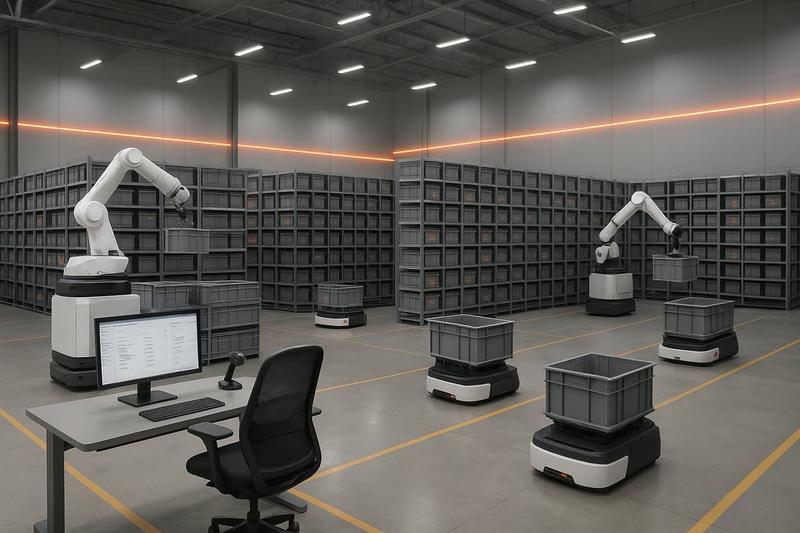
Traditional person-to-goods (P2G) models required workers to walk long distances, searching aisles for items. This process was time-consuming and prone to errors, especially as order volumes grew. In contrast, goods to person systems bring inventory directly to operators, slashing travel time and streamlining the picking process.
Key drivers for adopting goods to person fulfilment in 2026 include:
- Explosive e-commerce growth, demanding faster delivery.
- SKU proliferation, making manual picking more complex.
- Persistent labour shortages, driving the need for automation.
Statistics show that goods to person systems can reduce picker travel time by up to 70%. This translates into significant productivity gains and fewer errors. G2P is especially valuable in omnichannel and microfulfilment environments, where rapid order turnaround is a must. Businesses operating high-throughput warehouses find that goods to person technology supports both scalability and consistency.
Ergonomics and operator safety have also improved. With inventory delivered to waist-height workstations, lifting and walking are minimised, reducing workplace injuries. Seamless integration with warehouse management software (WMS) gives real-time control over operations, ensuring efficiency at every step.
Leading brands like PUMA and Hercules have successfully implemented goods to person systems to achieve next-day fulfilment and support peak demand. For readers seeking a deeper dive, the Goods-to-Person Solutions Overview provides further detail on how these systems are shaping the future of fulfilment.
Core Components of G2P Systems
Modern goods to person solutions rely on several advanced components, all designed to optimise warehouse performance. At the heart are automated storage and retrieval systems (ASRS), which use robots, shuttles, and conveyors to move inventory bins or totes within high-density storage grids.
Operator workstations are engineered for efficiency, often featuring pick-to-light technology and graphical displays. These interfaces guide workers through each order, further reducing the risk of mistakes. The ergonomic design of stations helps ensure comfort and safety during repetitive tasks.
Inventory is tracked in real time, with every bin movement recorded and analysed. This enables precise stock management and rapid response to changing demand. High-density storage grids maximise the use of warehouse space, accommodating more SKUs without expanding the facility footprint.
Scalability is a defining advantage of goods to person systems. Businesses can add robots, modules, or workstations as needed, all with minimal downtime. This modular approach allows fulfilment operations to adapt quickly to seasonal peaks or long-term growth.
Goods to person technology is setting the standard for warehouse automation in 2026, delivering unmatched flexibility, accuracy, and speed.
Key Benefits of Goods-to-Person Automation
In 2026, warehouse leaders are turning to goods to person automation to meet rising expectations for speed and accuracy. This approach not only transforms fulfilment but also delivers measurable gains in efficiency, safety, scalability, and customer satisfaction.
Efficiency and Throughput Gains
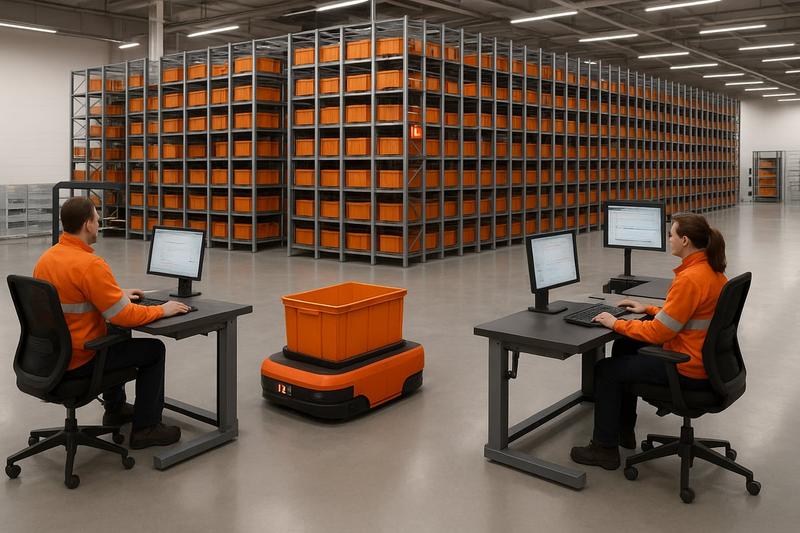
Goods to person automation dramatically increases picking productivity, often doubling or tripling output compared to manual methods. By bringing items directly to operators, these systems eliminate most walking and non-value-adding travel time.
Automated solutions can operate 24/7, supporting peak demand periods without the need for extra staff. Features like batch picking and real-time order prioritisation further streamline processes, ensuring fast, consistent throughput.
- Up to 2-3x higher pick rates
- Less congestion and reduced errors from manual searching
- Continuous fulfilment even during labour shortages
Accuracy, Safety, and Space Optimisation
Guided workflows and integrated software help reduce error rates in goods to person systems. Operators receive clear visual or audio prompts, making it easier to pick the right SKU every time.
Safety is also improved. The design minimises lifting, walking, and working at heights, protecting staff from injury. High-density storage grids allow for more inventory in a smaller footprint, optimising space and lowering facility costs.
- Error rates drop thanks to automated guidance
- Lower risk of strain and accidents for staff
- Greater storage density than traditional racking
Flexibility, Scalability, and Future-Proofing
One of the standout benefits of goods to person automation is its adaptability. Modular components allow businesses to add robots, expand storage, or reconfigure layouts as demand changes.
Real-time monitoring and analytics support proactive maintenance and quick issue resolution. This flexibility ensures that operations can scale for peak seasons or SKU growth with minimal disruption.
- Modular design for phased investment
- Rapid scaling without lengthy downtime
- Data-driven optimisation for ongoing improvement
Customer Experience and ROI
Shorter order cycles and faster delivery directly boost customer satisfaction. By improving speed and accuracy, goods to person systems help brands promise and deliver next-day or even same-day fulfilment.
Cost per order decreases as automation reduces manual labour and errors. Many companies see a rapid return on investment, especially as order volumes rise. For more insights on these advantages, see this Benefits of Goods-to-Person Automation resource.
- Faster, more reliable shipping
- Lower costs and rapid payback
- Supports thousands of orders per day
Leading Goods-to-Person Technologies in 2026
Warehouse automation is evolving rapidly, with goods to person solutions leading the charge in 2026. These technologies deliver speed, flexibility, and accuracy, empowering supply chains to keep pace with rising complexity and demand.
Cube-Based Storage and Robotics
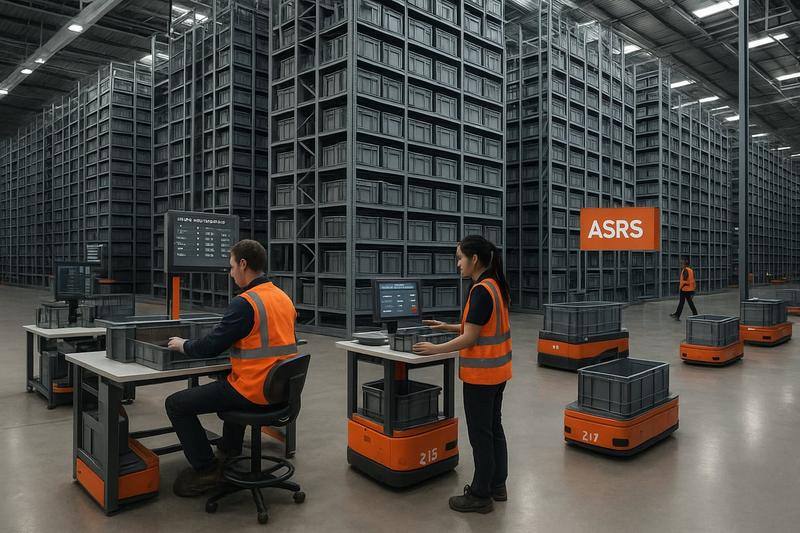
Cube-based automated storage and retrieval systems are at the forefront of goods to person innovation. Solutions like AutoStore and Pio use fleets of robots to move inventory bins across a dense, modular grid. Operators remain at ergonomic workstations while robots retrieve and deliver the required bins, minimising human travel time.
This approach allows for Pareto optimisation, where 80 percent of fast-moving SKUs are strategically placed for the quickest access. The compact design maximises space and enables rapid order fulfilment. For a comprehensive overview of how these and other systems compare, see Essential Order Picking Systems.
Autonomous Mobile Robots (AMRs)
Autonomous Mobile Robots play a vital role in goods to person operations. AMRs can navigate complex warehouse layouts, transporting goods between storage, picking, and packing zones with minimal manual intervention.
These robots offer exceptional flexibility and scalability, integrating smoothly with existing infrastructure. They support applications such as inbound receiving, outbound dispatch, and cross-docking, adapting to changing business needs. AMRs enable continuous flow, reducing bottlenecks and boosting productivity in high-throughput environments.
Shuttle and Racking Systems
Shuttle-based systems provide another core technology for goods to person fulfilment. Multi-level shuttles move totes or trays horizontally and vertically within racking structures, supporting high-speed storage and retrieval.
These systems are ideal for manufacturing, buffering, and precise order sequencing. Their modular nature allows for easy expansion, making it simple to accommodate SKU growth or seasonal fluctuations. Shuttle solutions deliver reliable, high-density storage and fast access to inventory.
Crane- and Carousel-Based Solutions
Crane-based mini-load ASRS and vertical lift modules (VLMs) bring new levels of efficiency to goods to person strategies. Mini-load cranes retrieve totes from tall racking systems, while VLMs use rotating trays to maximise vertical space.
These technologies are especially effective for small parts, pharmaceuticals, and environments with a high number of SKUs. They offer gentle handling and precise placement, reducing the risk of damage and ensuring inventory accuracy. Operators benefit from improved ergonomics and reduced physical strain.
Software and Integration Layer
The software layer is the backbone of every goods to person system. Warehouse Management Systems (WMS) and Warehouse Control Systems (WCS) orchestrate the movement of robots, conveyors, and human operators in real time.
Advanced software ensures inventory is always tracked, orders are sequenced efficiently, and analytics drive continuous improvement. Real-time data visibility supports proactive decision-making and rapid response to operational changes. Seamless integration with ERP and other business systems is essential for end-to-end fulfilment.
Goods-to-Robot Piece Picking
The latest evolution in goods to person automation is goods-to-robot piece picking. Here, AI-powered robotic arms combine with traditional G2P infrastructure to achieve full automation. These robots use advanced vision systems and custom end-of-arm tooling to pick products of varying shapes and sizes directly from storage bins.
This technology reduces manual handling, increases throughput, and supports around-the-clock operation. As AI capabilities grow, goods to person solutions will continue to push the boundaries of warehouse efficiency, accuracy, and scalability.
Automate-X: Intelligent Warehouse Automation for G2P Success
Automate-X stands at the forefront of warehouse automation across New Zealand and Australia, delivering advanced goods to person solutions that redefine fulfilment. As industry demand grows, Automate-X empowers businesses to streamline their operations, ensuring speed, accuracy, and scalability.
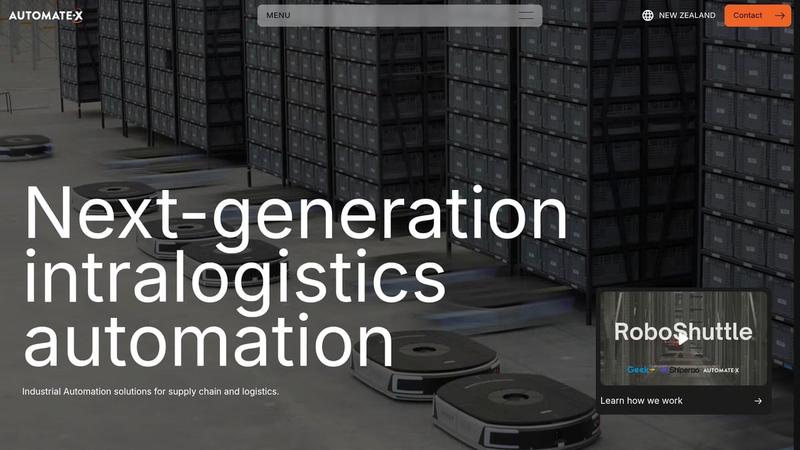
With deep expertise in goods to person systems, automated storage and retrieval systems (ASRS), robotics, and integrated warehouse software, Automate-X crafts tailored solutions for every client. Their approach leverages the latest automation technologies to optimise performance and future-proof supply chains.
Industries served include:
- Third-party logistics (3PL)
- E-commerce and omnichannel retail
- Manufacturing and FMCG
- Food and beverage distribution
- Pharmaceutical and cold storage environments
Clients benefit from reduced manual labour, heightened picking accuracy, scalable growth potential, and a safer workplace environment. Automate-X’s local knowledge and rapid deployment capabilities ensure that your goods to person automation is up and running quickly, ready to handle peak demand.
By integrating intelligent systems and providing ongoing support, Automate-X delivers long-term value. For insights into how logistics automation is transforming fulfilment efficiency, see the Impact of Logistics Automation in 2026.
Ready to transform your fulfilment operations? Consult with Automate-X for a customised goods to person strategy designed to unlock efficiency, accuracy, and competitive advantage.
Step-by-Step Guide to Implementing Goods-to-Person Fulfilment
Transforming your warehouse with a goods to person system requires a structured approach. Success depends on careful planning, technology selection, and ongoing optimisation. This step-by-step guide breaks down the process so you can confidently navigate your automation journey.
Ranger™ GTP goods-to-person (G2P) solution - GreyOrange warehouse automation-automated mobile robot
Step 1: Assessing Fulfilment Needs and Readiness
Begin by evaluating your current fulfilment operation. Analyse order volumes, SKU counts, and picking profiles to understand your unique requirements. Identify pain points such as labour shortages, high error rates, or space constraints.
Review your facility layout, checking for space, floor integrity, and ceiling height. Assess IT infrastructure to ensure it can handle a modern goods to person system. Collect 3 to 12 months of order and inventory data. This information enables accurate modelling and system design.
A robust assessment lays the foundation for a successful goods to person implementation. It ensures your future system aligns with business goals and operational realities.
Step 2: Designing the Right G2P Solution
With your needs defined, select the best technology for your business. Choices include cube-based storage, autonomous mobile robots, shuttle systems, or carousel modules. Match each technology to your order profiles, SKU mix, and facility constraints.
Map the integration points with your warehouse management system, ERP, and any existing automation. Use digital twins or simulation software to model throughput, storage density, and ROI. Consider ergonomics and safety to make sure operators can work efficiently and comfortably.
A tailored goods to person solution, designed with integration and flexibility in mind, sets the stage for long-term success.
Step 3: Building the Business Case
Next, build a compelling business case for your goods to person investment. Analyse capital expenditure, ongoing operational costs, and projected payback period. Quantify expected productivity gains, accuracy improvements, and space savings.
Benchmark your metrics against industry case studies and competitor data. Highlight how goods to person automation can drive measurable results, such as reducing picking times or supporting omnichannel fulfilment.
A data-driven business case not only secures executive buy-in but also provides a clear roadmap for ROI and future scalability.
Step 4: Implementation and Integration
Plan a phased deployment to minimise disruption to daily operations. Coordinate closely with automation vendors, IT teams, and warehouse staff for seamless system integration. Develop a change management plan and robust training programmes to help your team adapt.
Test the system thoroughly before going live, calibrating it for peak periods and variable demand. Real-world examples, such as Ingram Micro's G2P Automation Case Study,highlight the importance of proactive communication and agile problem solving during rollout.
Successful goods to person system launches rely on collaboration, training, and continuous feedback throughout the integration process.
Step 5: Continuous Optimisation and Scaling
Once live, use real-time analytics and dashboards to monitor system health, throughput, and performance. Add robots, storage modules, or workstations as demand increases, ensuring your goods to person system scales with your business.
Regularly review processes to identify bottlenecks or inefficiencies. Plan for future technology upgrades and business expansion, keeping your operation agile and competitive. Ongoing optimisation maximises the value of goods to person automation and supports sustainable growth.
A continuous improvement mindset ensures your investment remains future-proof and responsive to changing market needs.
Critical Success Factors and Pitfalls to Avoid
In the rapidly changing world of warehouse automation, understanding what drives successful goods to person fulfilment projects is essential. The difference between a scalable, future-proof operation and a costly misstep often comes down to preparation, integration, and ongoing optimisation.
Key Considerations Before Investing
Selecting the right goods to person solution requires a clear understanding of your business goals and operational realities. Start by aligning system capabilities with both current needs and anticipated growth. Evaluate whether the chosen G2P technology will support your SKU expansion, seasonal peaks, and future channels.
Facility compatibility is equally crucial. Assess floor conditions, ceiling heights, and available space to ensure smooth integration. Prioritise warehouse management software compatibility, as real-time data and control are essential for high-performance goods to person systems. Planning for flexibility—such as modular layouts and easy reconfiguration—will help your investment adapt as your business evolves.
Common Mistakes and How to Avoid Them
Many businesses underestimate the data needed for effective goods to person system design. Collect at least 3 to 12 months of detailed order and inventory data to model system requirements accurately. Another common pitfall is neglecting staff training and change management. Operators must be prepared for new workflows and safety protocols.
Integration oversights are also frequent. Ensure your G2P solution links seamlessly with existing automation, IT systems, and inventory management tools. Finally, ongoing maintenance and system monitoring should be planned from the outset to avoid unexpected downtime and ensure peak performance in your goods to person operation.
Maximising ROI and Long-Term Value
To maximise the return on your goods to person investment, leverage modular and scalable solutions that allow phased implementation. Track key performance indicators such as pick rate, error rate, order cycle time, and inventory accuracy. Regularly update both software and hardware to stay competitive and support operational resilience.
A focus on continuous improvement is crucial. Use real-time analytics to identify bottlenecks, monitor throughput, and make data-driven decisions. As the goods-to-person picking robots market continues to expand, staying agile will help you capture emerging opportunities and respond effectively to industry trends.
Real-World Lessons from Industry Leaders
Industry leaders offer valuable insights into successful goods to person deployments. For example, PUMA’s use of AutoStore has demonstrated how high-speed automation can support next-day fulfilment and reduce order errors. Data from Bastian Solutions shows that G2P technology can significantly improve operational uptime and accuracy.
Learning from others’ experiences is vital. Explore resources like Warehouse Automation Streamlines Omni-Channel Fulfillment to discover how leading brands overcome challenges such as labour shortages, SKU proliferation, and rising customer expectations. Applying these lessons will help you avoid common pitfalls and build a resilient, future-ready goods to person operation.
The Future of Goods-to-Person Fulfilment: Trends and Innovations
The future of goods to person fulfilment is rapidly evolving, driven by new technologies, shifting consumer expectations, and the relentless pursuit of efficiency. As we look ahead to 2026, several trends and innovations are shaping the next generation of warehouse automation. These advancements promise to transform the way businesses manage inventory, process orders, and deliver products to customers.
AI and Machine Learning in G2P
Artificial intelligence is emerging as a game changer in goods to person fulfilment. Machine learning algorithms can now analyse vast amounts of warehouse data to optimise inventory placement, predict order patterns, and automate complex decision-making.
By integrating AI with robotic systems, warehouses achieve smarter order sequencing and dynamic slotting, which increases throughput and reduces bottlenecks. Advanced vision systems enable robotic pickers to handle a wider range of SKUs with greater accuracy.
AI-powered analytics also provide real-time insights for managers, allowing for continuous improvement of goods to person operations. This results in faster order processing, fewer errors, and more agile responses to changing market demands.
Hyper-Scalable Microfulfilment
Urbanisation and the rise of same-day delivery are fuelling the growth of microfulfilment centres powered by goods to person automation. Compact systems are now being deployed in city centres, closer to end customers, to accelerate last-mile delivery and reduce logistics costs.
Autonomous mobile robots (AMRs) are central to this trend, enabling flexible and scalable goods movement within tight spaces. If you want to learn more about this technology, see What is an AMR?.
Microfulfilment solutions allow businesses to scale up or down quickly, handle seasonal peaks, and respond to local demand shifts. As a result, goods to person systems are becoming essential for omnichannel retailers and fast-moving e-commerce brands.
Sustainability and Energy Efficiency
Sustainability is a top priority in modern goods to person fulfilment. Automated systems are designed to minimise energy use by optimising robot paths, reducing idle time, and enabling efficient lighting and climate control.
High-density storage grids and vertical lift modules allow warehouses to store more inventory in less space, lowering the overall footprint. Recyclable totes and modular components further support green initiatives.
By adopting these technologies, companies reduce both operational costs and environmental impact, making goods to person automation a cornerstone of sustainable supply chains.
Human-Robot Collaboration
Collaboration between people and automation is redefining the warehouse workplace. Goods to person systems now feature ergonomic workstations, guided picking interfaces, and safety mechanisms that reduce manual effort and risk of injury.
Operators are empowered to supervise multiple robots, troubleshoot issues, and focus on value-adding tasks. This shift not only improves job satisfaction but also helps address ongoing labour shortages.
Continuous upskilling and cross-training are becoming standard practice, ensuring that staff can adapt alongside evolving goods to person technologies.
Integration with End-to-End Supply Chain
Seamless integration is critical for the next phase of goods to person fulfilment. Modern systems connect directly with suppliers, carriers, and retail channels, creating a unified flow of data from inbound goods to final delivery.
Real-time inventory tracking, automated replenishment, and transparent order statuses are now the norm. This connectivity enables proactive management, faster decision-making, and a more responsive supply chain.
The goods to person approach supports omnichannel strategies, allowing businesses to serve online and offline customers with equal efficiency.
Preparing for 2026 and Beyond
To remain competitive, supply chain leaders must stay alert to emerging trends in automation, robotics, and software. Early adoption of advanced goods to person systems positions businesses for growth, resilience, and customer satisfaction in a rapidly changing market.
Investing in modular, upgradeable technology, fostering a culture of innovation, and partnering with experienced automation providers will be essential steps on the road to future-ready fulfilment operations.
As you’ve seen throughout this guide, optimising fulfilment with goods to person systems isn’t just about keeping up—it’s about setting your business up for future growth, accuracy, and resilience in a fast moving logistics world. Whether you’re facing labour shortages, aiming to boost productivity, or looking to scale with confidence, intelligent automation offers proven results across every industry we serve. If you’re ready to take the next step and see how these solutions can transform your operations, let’s work together to build your fulfilment success story.